
EPISODE · Apr 5, 2025 · 20 MIN
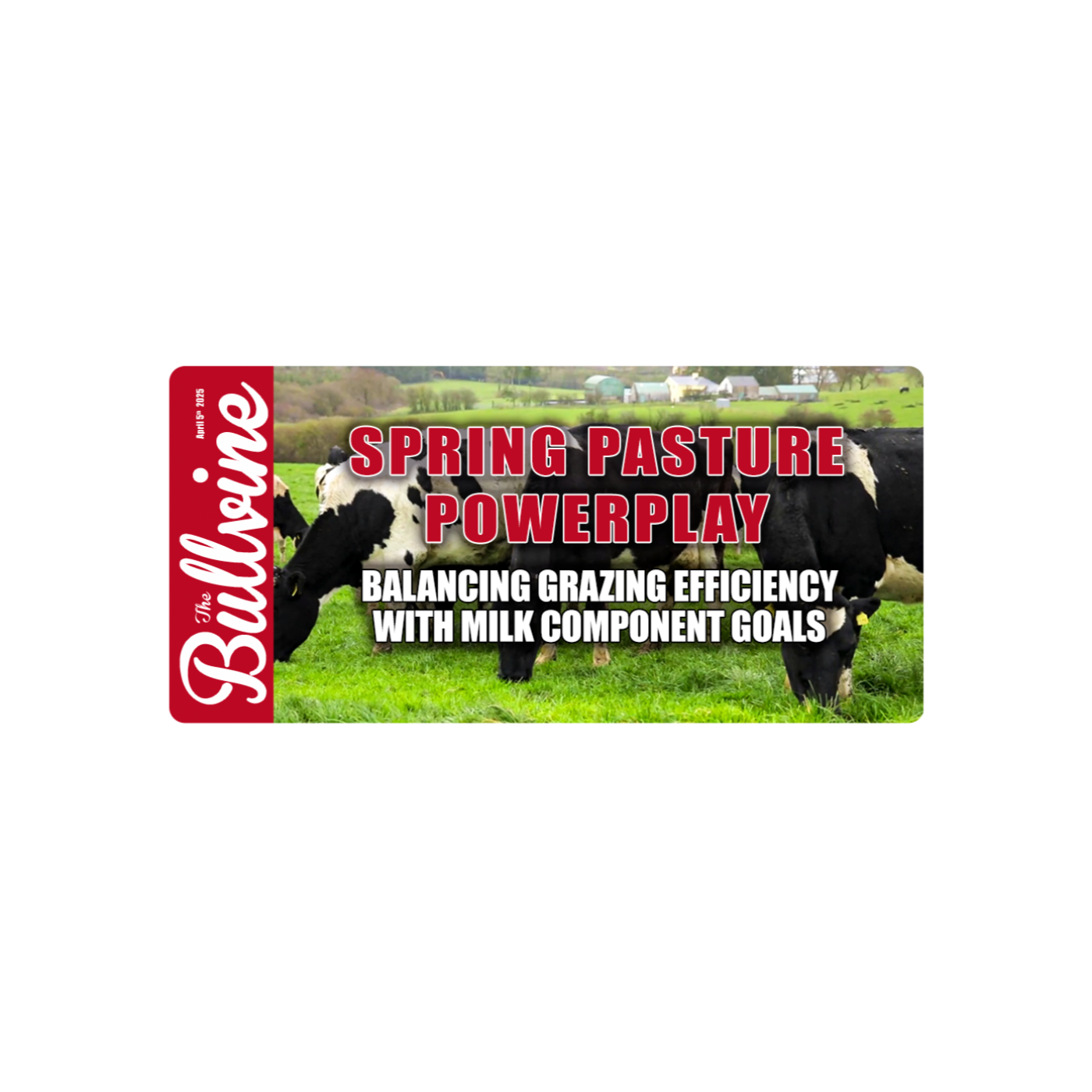
E221 Spring Pasture Powerplay: Balancing Grazing Efficiency with Milk Component Goals
from The Bullvine
Spring Pasture Powerplay: Maximize Milk Components & Profitability with Smart Grazing StrategiesKey TakeawaysThe Spring Transition ChallengeMilk component depression can cost $0.18–$0.32/cwt in lost premiums.Young spring grass’s high sugars and low fiber disrupt rumen health, slashing butterfat by up to 50%.Gradual Adaptation is KeyTransition cows over 2–3 weeks to avoid “stealth rumen burnout” (SARA).Start with 2–3 hours of grazing/day and supplement dry hay for stable rumen pH.Rotational Grazing = Profit MultiplierBoost pasture utilization by 20% with 12–24-hour paddock rotations.Follow optimal grazing heights: 3–4" for ryegrass, 6–8" for fescue.Supplementation Saves Milk ComponentsRumen-protected methionine (15–20g/cow/day) increases milk fat by 0.14–0.40%.Ground corn often outperforms expensive commercial concentrates in ROI.Regenerative Grazing & TechDiverse pastures cut feed costs by 15–30% and improve milk’s nutritional profile.Drone tech provides 94% accurate biomass data for precision grazing decisions.Actionable TipsDo Today: Walk pastures to check residuals (target: 4–6 cm).Buffer Feed: Offer 3–5 lbs of long-stem hay before turnout.Track Components: Monitor milk fat/protein twice weekly.https://www.thebullvine.com/management/spring-pasture-powerplay-balancing-grazing-efficiency-with-milk-component-goals/
Embed this episode
NOW PLAYING
E221 Spring Pasture Powerplay: Balancing Grazing Efficiency with Milk Component Goals
No transcript for this episode yet
Similar Episodes
No similar episodes found.
Similar Podcasts
No similar podcasts found.