
EPISODE · Jan 15, 2026 · 31 MIN
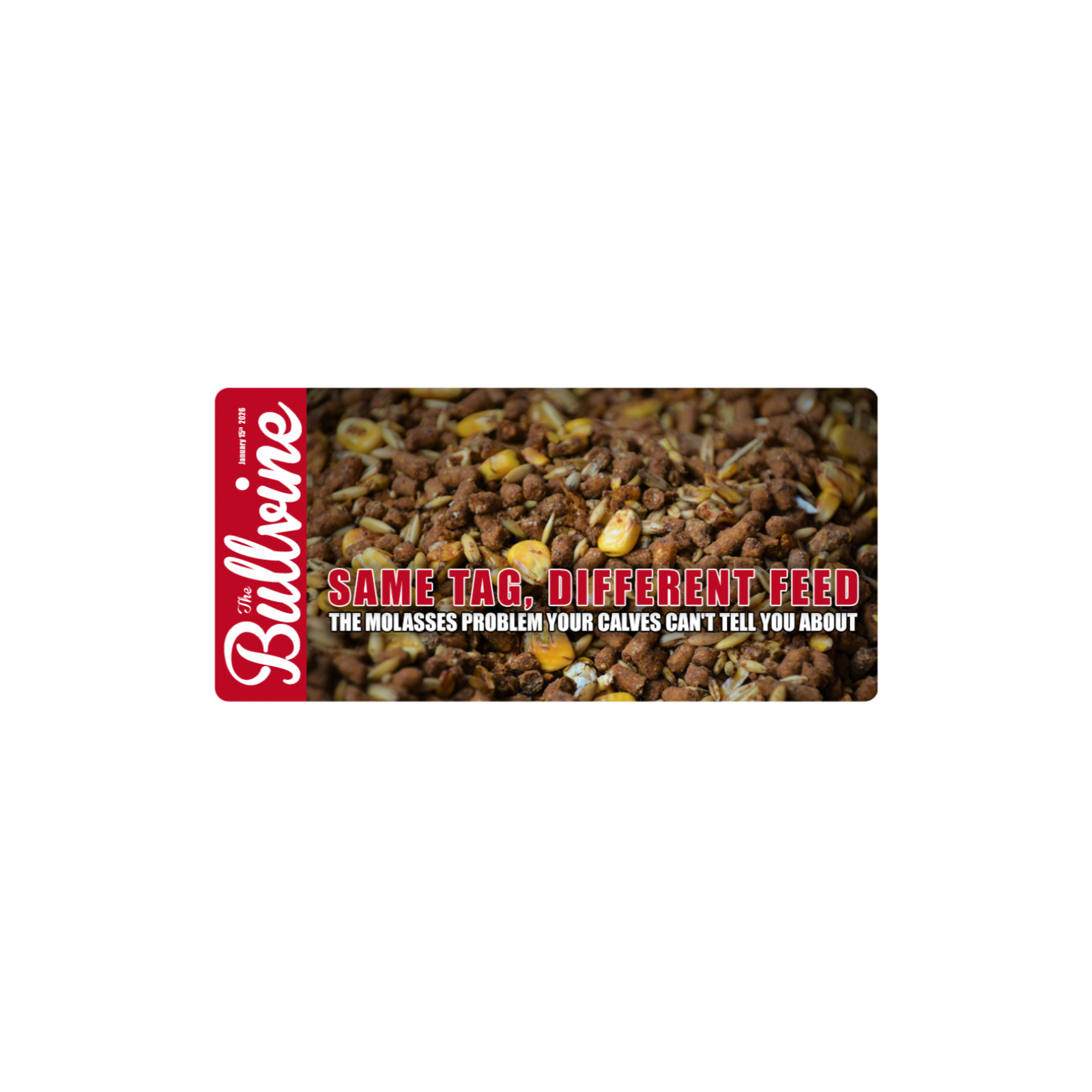
E464 Same Tag, Different Feed: The Molasses Problem Your Calves Can’t Tell You About
from The Bullvine
Your calf starter's guaranteed analysis says "molasses." What it doesn't say is whether this batch contains 39% sugar or 67%—a swing documented in peer-reviewed research that represents one of the widest compositional variances in animal nutrition. This episode challenges a dangerous assumption most producers make: that identical feed tags deliver identical nutrition. They don't. And for operations investing $5-6 per day raising replacement heifers, that hidden variability may be the difference between calves that survive and calves that thrive. If you've ever noticed performance dips that don't match management changes, unexplained intake variability, or inconsistent weaning results—this episode reveals what might actually be driving those patterns.Key Takeaways:Why molasses sucrose content can swing 28 percentage points between batches—and what that means for rumen developmentThe functional differences between cane and beet molasses that feed tags never specifyHow DCAD variability in molasses affects calves differently than mature cows—and why their limited buffering capacity mattersThe subtle performance indicators that signal ingredient inconsistency before clinical problems appearFive specific questions to ask your feed supplier that reveal their true commitment to qualityA 90-day monitoring approach to identify variability effects without waiting for first-lactation dataThe economic case for ingredient consistency: calculating hidden costs most producers never trackWhy the supply chain makes consistency challenging—and what "Fixed-Process Assurance" actually meansThis episode dissects research from the Journal of Dairy Science (Palmonari et al., 2020) that systematically characterized molasses samples from suppliers worldwide. The findings are striking: crude protein ranges from 2.2% to 15.6% depending on source, potassium varies nearly threefold, and DCAD swings over 200 milliequivalents between batches.But here's what makes this episode essential listening: we connect the science to your calf barn. At typical inclusion rates of 5-7% of starter dry matter, these swings won't cause dramatic clinical crises. Instead, they manifest as the subtle inconsistencies that frustrate calf managers—intake curves that fluctuate after new deliveries, variable manure in older hutch calves, uneven weaning performance.We examine field observations from Upper Midwest dairies where tracking feed deliveries against calf metrics revealed performance dips aligning with new starter batches—often because molasses sources changed without notification. Operations that switched to fixed-formulation starters reported smoother intake curves and more predictable outcomes.The complete article with all research citations, comparison tables, and the full supplier question framework is available at https://www.thebullvine.com/management/nutrition/same-tag-different-feed-the-molasses-problem-your-calves-cant-tell-you-about/. Search "Same Tag Different Feed" or check the show notes for direct links.Share this episode with your nutritionist, calf manager, or feed rep. Tag us on social media with your thoughts: Are you tracking feed deliveries against calf performance? What patterns have you noticed?The Bullvine – Because satisfactory satisfies no one.
Embed this episode
NOW PLAYING
E464 Same Tag, Different Feed: The Molasses Problem Your Calves Can’t Tell You About
No transcript for this episode yet
Similar Episodes
No similar episodes found.
Similar Podcasts
No similar podcasts found.