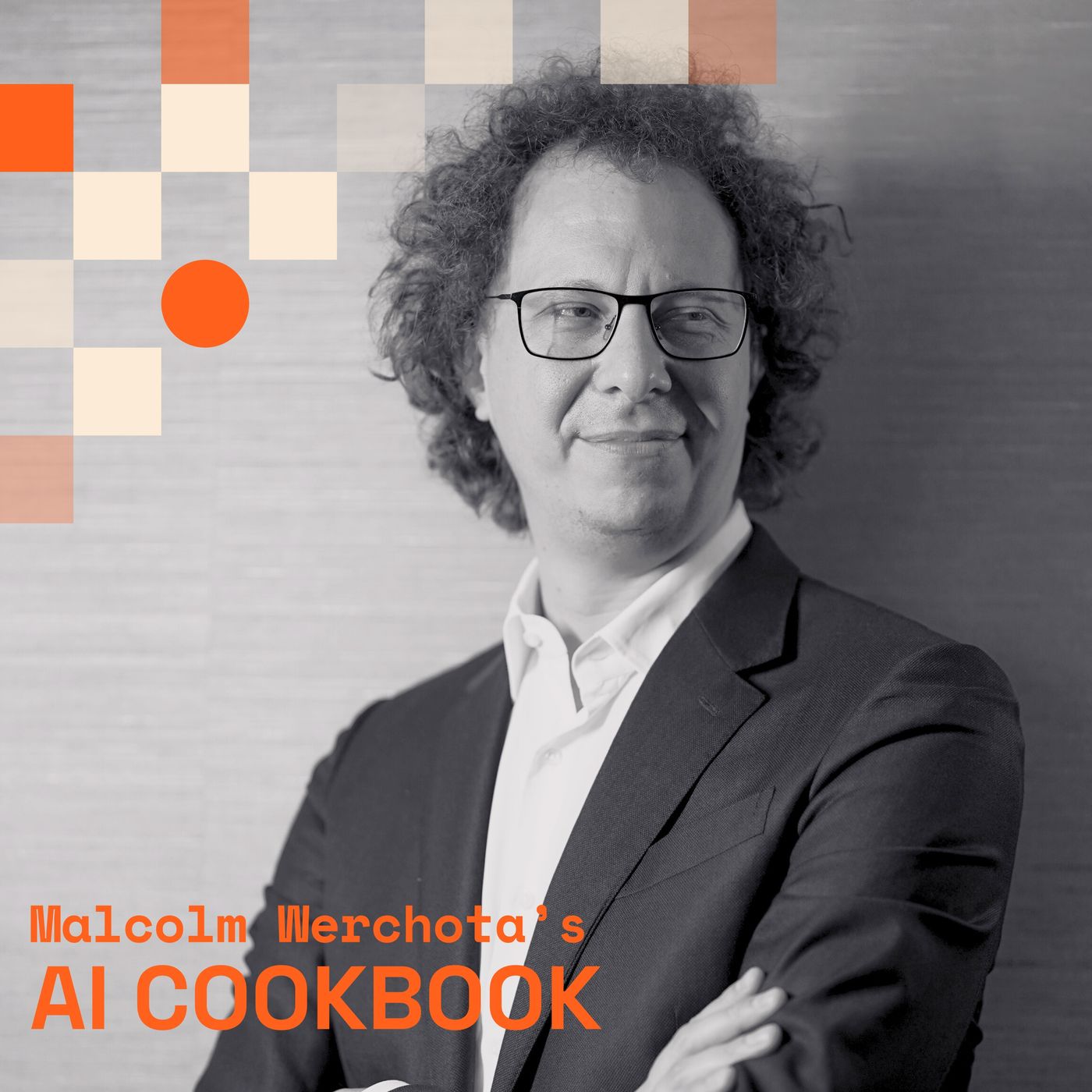
E64: From Papyrus to Pixels: The 5,000-Year Pattern That Predicts Our AI Future episode artwork

EPISODE · Sep 25, 2025 · 33 MIN

E64: From Papyrus to Pixels: The 5,000-Year Pattern That Predicts Our AI Future

from The AI Cookbook: AI Tools | Enterprise AI | Leadership · host Malcolm Werchota

What if I told you that Ancient Egypt's papyrus monopoly perfectly mirrors today's AI dominance by tech giants? In this mind-blowing episode, Malcolm Werchota reveals how 5,000 years of writing technology revolutions follow the EXACT same pattern we're seeing with AI today. From Egyptian scribes with "tech neck" to medieval monks destroying printing presses (just like modern workers fearing ChatGPT), history is literally repeating itself. Discover why the Battle of Talas in 751 CE is basically the same as the US-China chip war, why Gutenberg faced the same criticism as OpenAI, and why manufacturing's 12% AI adoption rate mirrors medieval Europe's resistance to paper. This isn't just a history lesson—it's a blueprint for understanding exactly where AI is taking us.1. Every Information Revolution Creates Geographic Monopolies Just as Egypt controlled papyrus for 3,000 years and Venice dominated printing, today's AI revolution is concentrated in Silicon Valley (25% of all AI patents, $120B in venture capital). The pattern is identical across 5,000 years.2. Resistance to New Writing Tech Always Uses the Same Arguments Medieval monks said printing would "make donkeys go to school" and destroy human connection to knowledge. Today's AI critics say ChatGPT makes us stupid. Socrates said writing would destroy memory. Same fears, different century.3. Technology Embargoes Always Backfire and Accelerate Innovation When Egypt embargoed papyrus to Pergamon (197 BCE), they invented superior parchment. When China kept paper secret for 700 years, the Islamic world improved it. Today's chip restrictions will likely produce the same result.4. Early Adopters Build Empires, Skeptics Become Footnotes The Islamic world adopted paper and created their Golden Age with 400,000-book libraries while Europe clung to parchment with 100 books. Martin Luther used printing to reshape Christianity. The scribes who destroyed printing presses? Nobody remembers their names.5. The Productivity J-Curve Is Universal Every revolutionary technology shows initial productivity decline before explosive growth. Printing: 90x faster than scribes. AI users today: 66% productivity increase, 126% more programming projects. Non-adopters are the new medieval scribes watching the world accelerate past them.#AIHistory #FromPapyrusToPixels #AIRevolution #TechMonopoly #DigitalTransformation #FutureOfWork #AIAdoption #InnovationPatterns #AICookbook #HistoryRepeats #GPT4 #ChatGPT #AIProductivity #TechEvolution #KnowledgeMonopoly #DisruptiveInnovation #AISkepticism #BarcelonaAI #MalcolmWerchota #5000YearsOfTech

What if I told you that Ancient Egypt's papyrus monopoly perfectly mirrors today's AI dominance by tech giants? In this mind-blowing episode, Malcolm Werchota reveals how 5,000 years of writing technology revolutions follow the EXACT same pattern we're seeing with AI today. From Egyptian scribes with "tech neck" to medieval monks destroying printing presses (just like modern workers fearing ChatGPT), history is literally repeating itself. Discover why the Battle of Talas in 751 CE is basically the same as the US-China chip war, why Gutenberg faced the same criticism as OpenAI, and why manufacturing's 12% AI adoption rate mirrors medieval Europe's resistance to paper. This isn't just a history lesson—it's a blueprint for understanding exactly where AI is taking us.1. Every Information Revolution Creates Geographic Monopolies Just as Egypt controlled papyrus for 3,000 years and Venice dominated printing, today's AI revolution is concentrated in Silicon Valley (25% of all AI patents, $120B in venture capital). The pattern is identical across 5,000 years.2. Resistance to New Writing Tech Always Uses the Same Arguments Medieval monks said printing would "make donkeys go to school" and destroy human connection to knowledge. Today's AI critics say ChatGPT makes us stupid. Socrates said writing would destroy memory. Same fears, different century.3. Technology Embargoes Always Backfire and Accelerate Innovation When Egypt embargoed papyrus to Pergamon (197 BCE), they invented superior parchment. When China kept paper secret for 700 years, the Islamic world improved it. Today's chip restrictions will likely produce the same result.4. Early Adopters Build Empires, Skeptics Become Footnotes The Islamic world adopted paper and created their Golden Age with 400,000-book libraries while Europe clung to parchment with 100 books. Martin Luther used printing to reshape Christianity. The scribes who destroyed printing presses? Nobody remembers their names.5. The Productivity J-Curve Is Universal Every revolutionary technology shows initial productivity decline before explosive growth. Printing: 90x faster than scribes. AI users today: 66% productivity increase, 126% more programming projects. Non-adopters are the new medieval scribes watching the world accelerate past them.#AIHistory #FromPapyrusToPixels #AIRevolution #TechMonopoly #DigitalTransformation #FutureOfWork #AIAdoption #InnovationPatterns #AICookbook #HistoryRepeats #GPT4 #ChatGPT #AIProductivity #TechEvolution #KnowledgeMonopoly #DisruptiveInnovation #AISkepticism #BarcelonaAI #MalcolmWerchota #5000YearsOfTech

NOW PLAYING

E64: From Papyrus to Pixels: The 5,000-Year Pattern That Predicts Our AI Future

0:00 33:36

No transcript for this episode yet

We transcribe on demand. Request one and we'll notify you when it's ready — usually under 10 minutes.

Frequently Asked Questions

How long is this episode of The AI Cookbook: AI Tools | Enterprise AI | Leadership?

This episode is 33 minutes long.

When was this The AI Cookbook: AI Tools | Enterprise AI | Leadership episode published?

This episode was published on September 25, 2025.

What is this episode about?

What if I told you that Ancient Egypt's papyrus monopoly perfectly mirrors today's AI dominance by tech giants? In this mind-blowing episode, Malcolm Werchota reveals how 5,000 years of writing technology revolutions follow the EXACT same pattern...

Can I download this The AI Cookbook: AI Tools | Enterprise AI | Leadership episode?

Yes, you can download this episode by clicking the download button on the episode player, or subscribe to the podcast in your preferred podcast app for automatic downloads.
URL copied to clipboard!