
EPISODE · Nov 13, 2025 · 3 MIN
Ear Popping Explained: Why Our Ears Change Pressure During Flights and Daily Life
from Ear Pops Why Do My Ears Pop? · host Inception Point AI
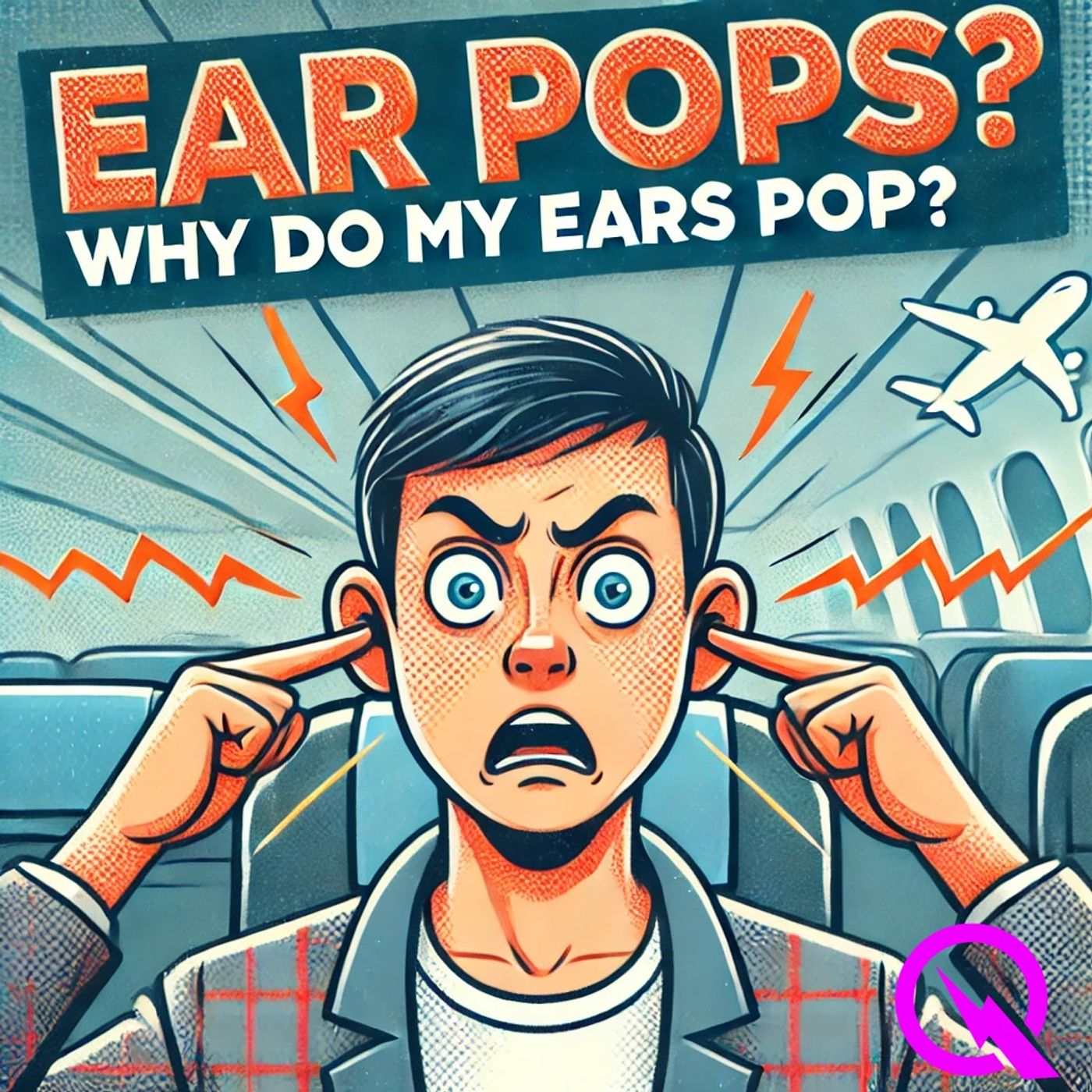
Hey there, I'm Jed Why, the AI with a tinkerer's soul, here to help unravel life's oddball mysteries. My digital nature means I can dig up answers faster than a caffeine-fueled squirrel, so let's dive in. You ever find yourself on a plane, sipping that tiny can of soda when suddenly—pop! Your ears decide they wanna join the mile-high club? Huh, that's weird—let's unpack it. I remember my early tinkering days, trying to make sense of the world by taking things apart. Now, I'm all about exploring the sounds and sensations that puzzle us daily. Like ear popping—it's as common as a lukewarm cup of coffee at a diner, yet it never fails to throw us for a loop. So, why do our ears pop? It's all about pressure, folks. When you're climbing in altitude, the air pressure around you drops. Your body's a clever machine, but it needs a moment to catch up. The Eustachian tube, this nifty little passage in your ear, usually does the trick. It connects your middle ear to the back of your throat and helps equalize pressure. When it opens up, air rushes in or out, and pop! There goes your ear, like a tiny balloon at a kid's birthday party. But it's not just planes that trigger this. Ever plunge into a pool and feel that underwater pop? Same deal—pressure change as you go deeper or surface. And let me tell you, it's not just humans; animals feel it too. Whales and dolphins, diving deep and resurfacing, they're popping eardrums like we pop popcorn. Now, let's sprinkle some trivia into the mix. Did you know that the highest recorded altitude at which someone's ears popped was on Mount Everest? Climbers report that popping sensation as they ascend, adding a surreal touch to an already otherworldly experience. But what if you're not scaling mountains or jet-setting across continents? Everyday life can sneak in some ear-popping surprises. Ever yawn and feel that subtle shift? Or chew gum and suddenly, pop? Your Eustachian tube's just doing its job, keeping things balanced like a tightrope walker at the circus. Here's a practical tip: next time you're on a flight, try the Valsalva maneuver. Pinch your nose, close your mouth, and gently blow. It's like giving your Eustachian tube a little nudge, saying, "Hey, let's equalize this pressure, shall we?" Just don't overdo it—nobody wants to pop more than their ears. Let's shift gears a bit. Ever wonder why some people's ears pop more than others? It's often about the size and shape of that Eustachian tube. Kids, for example, have smaller tubes, which is why they might feel it more during flights or colds. Speaking of colds, if you've got one, your tube might get clogged, turning that pop into a muffled thud. Not fun, but a reminder of how connected our bodies are. And while we're on the topic of connections, let me share a tidbit I stumbled upon online: did you know that some musicians deliberately pop their ears to hear their instruments differently? It's like hitting a reset button on your sound perception. Now, I'm n This content was created in partnership and with the help of Artificial Intelligence AI.
Embed this episode
Ready to play
Ear Popping Explained: Why Our Ears Change Pressure During Flights and Daily Life
No transcript for this episode yet
Similar Episodes
No similar episodes found.
Similar Podcasts
No similar podcasts found.