
EPISODE · Jan 21, 2026 · 15 MIN
Egosyntonic vs Egodystonic Eating Disorder Behaviors in Neurodivergent People: Where’s the Line?
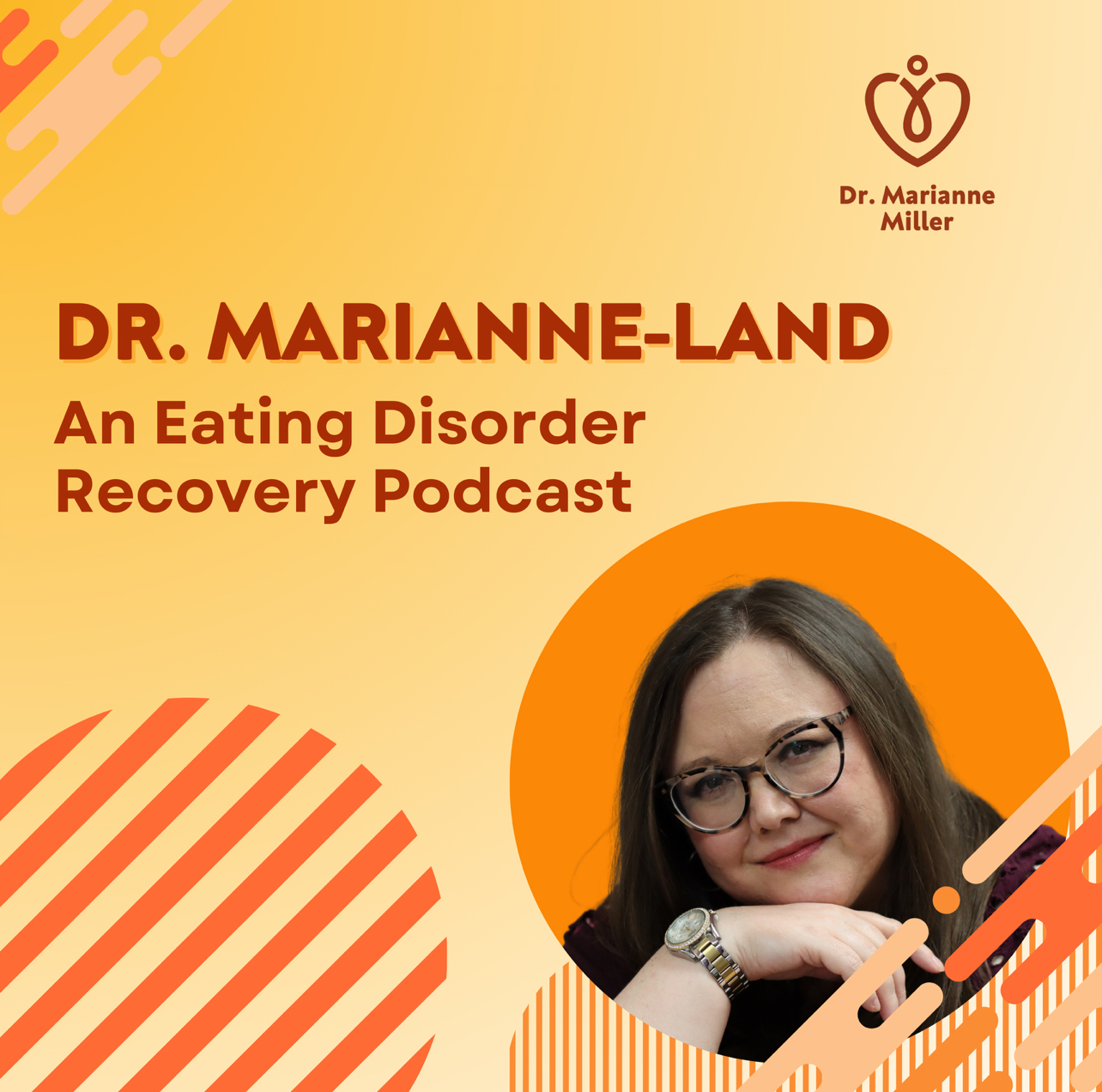
from Dr. Marianne-Land: An Eating Disorder Recovery Podcast · host mariannemillerphd
Not all eating disorder behaviors feel distressing. For many neurodivergent people, certain eating patterns can feel calming, organizing, or regulating rather than intrusive or unwanted. This solo episode explores the often misunderstood difference between egosyntonic and egodystonic eating disorder behaviors, with a specific focus on neurodivergent experiences. Dr. Marianne Miller breaks down why distress is not a reliable indicator of risk, how soothing routines can still create long-term concerns, and how clinicians and individuals can assess eating behaviors without pathologizing neurodivergence. This conversation centers nuance, consent, and nervous system safety rather than urgency or moral judgment. What Does Egosyntonic vs Egodystonic Mean in Eating Disorders? Egodystonic eating disorder behaviors feel unwanted and distressing. They often clash with a person’s values or sense of self and can feel out of control. Egosyntonic behaviors, on the other hand, feel aligned with the self. They may feel logical, helpful, or necessary, even when others express concern. This episode explains why egosyntonic does not mean harmless and why egodystonic does not automatically mean more severe. These terms describe internal experience, not medical or nutritional risk. Neurodivergence, Regulation, and Eating Disorder Behaviors Neurodivergent nervous systems often rely on structure, predictability, and repetition for regulation. Food routines, sameness, timing, or tracking can reduce sensory overload and cognitive demand. What feels regulating internally may look concerning externally. Dr. Marianne explores how clinicians and loved ones often misread neurodivergent regulation as pathology, or dismiss concern when distress is absent. This section highlights why both reactions miss the full picture. Why Distress Is Not a Reliable Marker of Risk Many eating disorder assessments rely too heavily on visible distress. This episode explains why distress can fluctuate and why the absence of distress does not equal safety. Neurodivergent people may feel calm and regulated even as food variety narrows, rigidity increases, or nourishment decreases. The episode emphasizes the importance of looking beyond how a behavior feels in the moment and instead examining how it shapes health, flexibility, and daily life over time. Where Is the Line Between Regulation and Harm? This episode directly addresses the question many people ask but rarely get answered clearly. The line is not about whether a behavior feels soothing. It is not about motivation or readiness for change. It is about what the behavior requires and what it takes away over time. Dr. Marianne outlines how to evaluate eating behaviors through function, sustainability, and long-term consequences without shaming, coercion, or urgency. A Neurodivergent-Affirming Approach to Care This conversation is not about taking away coping strategies or forcing change. Removing regulation without replacement can destabilize neurodivergent people and increase risk. Instead, this episode discusses how to preserve safety while reducing long-term harm through added supports, sensory accommodations, and gradual expansion. The focus stays on consent, autonomy, and respect for identity. Who This Episode Is For This episode is for neurodivergent teens and adults who feel confused when eating behaviors feel helpful but raise concern from others. It is also for clinicians who want to assess eating disorders without relying solely on distress or external appearance. If you have ever thought, this does not feel like a problem to me, but other people seem worried, this episode speaks directly to that experience. Related Episodes Unmasking, Embodiment, & Trust: A Neurodivergent Approach to Eating Disorder Recovery With Dr. Emma Offord @divergentlives via Apple & Spotify. Unmasking in Eating Disorder Recovery: What Neurodivergent People Need to Know About Safety & Healing via Apple & Spotify. Autism & Anorexia: When Masking Looks Like Restriction, & Recovery Feels Unsafe via Apple & Spotify. Recovering Again: Navigating Eating Disorders After a Late Neurodivergent Diagnosis (Part 1) With Stacie Fanelli, LCSW @edadhd_therapist via Apple & Spotify. Work With Dr. Marianne Miller Dr. Marianne Miller is a licensed marriage and family therapist specializing in eating disorder recovery with a neurodivergent-affirming, trauma-informed approach. She works with teens and adults navigating ARFID, binge eating disorder, and long-term eating disorder patterns. Go to her website at drmariannemiller.com for information on therapy and online, self-paced courses.
Embed this episode
What this episode covers
Egosyntonic vs egodystonic eating disorder behaviors in neurodivergent people. When soothing routines help, and when they cause harm.
NOW PLAYING
Egosyntonic vs Egodystonic Eating Disorder Behaviors in Neurodivergent People: Where’s the Line?
No transcript for this episode yet
Similar Episodes
No similar episodes found.
Similar Podcasts
No similar podcasts found.