
EPISODE · Aug 5, 2025 · 3 MIN
El Aliso Tree
from Dumpster Fires · host Barret Baumgart
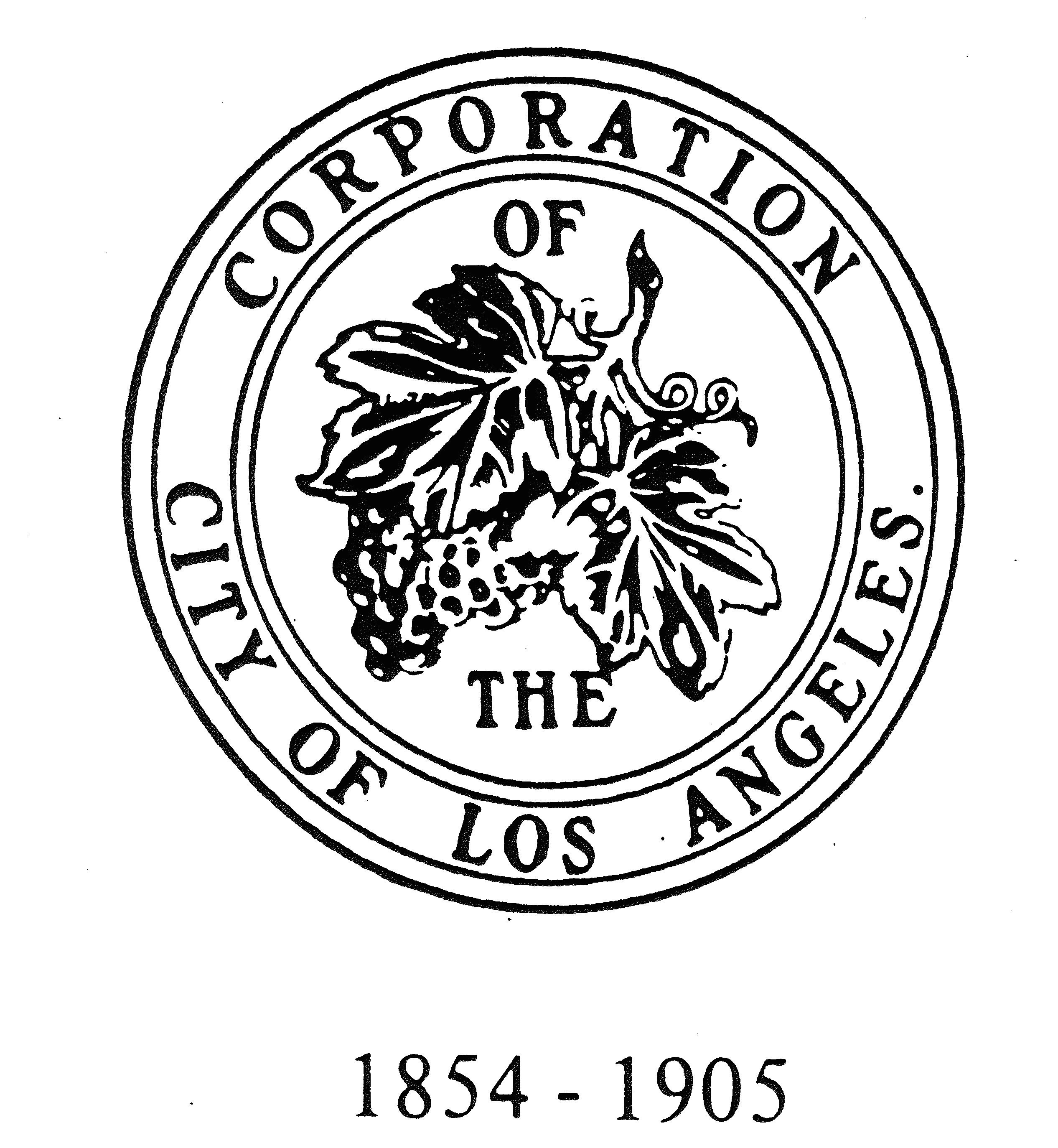
Happy #NationalWhiteWineDay #winelover #winetasting Actually that was yesterday. For years I’ve wanted to create some “content” about this insane spot in downtown LA, a couple blocks a from where I work. And, well, I finally got my s**t together and did it. Watch the video and weep. The below is a brief written excerpt from a chunk of my next book, which is about the Santa Susana Field Laboratory’s 1959 nuclear meltdown in Los Angeles, an event which basically no one has ever heard of and that has perhaps killed thousands. A chunk of this book follows the Los Angeles River and marinates in the beauty and misery that once existed alongside the famous El Aliso sycamore tree. In the book, I imagine my favorite painter, Ralph Albert Blakelock, camped at the base of the tree in the 1860s and sketching the LA River and El Aliso in his journal, sketches he later translated into one of his famous, haunting nocturnes (all of this, of course, before he went insane, was put in an asylum, and started painted American money while his family lived in poverty and his paintings fetched record-breaking sums at auctions, none of which he saw a dollar of; cheerful story). I’ll eventually post this long section featuring Blakelock and the El Aliso tree. It connects to the crazy Terminal Island post I made a year ago. Over the years I’ve tried to determine if more vines were planted or people buried in 1853, the year LA supposedly suffered more murders than any other municipality in the country. It’s hard to say for certain. What we do know is that most who visited Los at the time left either calling the place the City of Demons or the City of Vines. Not surprisingly, the city’s two competing faces actually constituted two sides of the same coin. Few understood the fact better than the Gabrielino Indians. As it turns out, progressive California’s very first law, passed by the new state congress on April 19, 1850, happened to be a perverse bit of legislation known as "The Act for the Government and Protection of Indians. The law ensured the protection of Native Americans by denying them the right to vote or testify in court, and it allowed for their immediate arrest should “any reasonable citizen” discover or suspect them of being unemployed or drunk. Horace Bell, an influential lawyer and publisher for whom Bell Creek is named—a small stream among the red rocks of the Santa Susana Mountains that constitutes the ultimate headwater of the Los Angeles River—recalled the city of Los Angeles’s steadfast and ingenious application of California’s inaugural law in an 1881 memoir: “By four o’clock on Sunday afternoon Los Angeles Street from Commercial to Nigger Alley, Aliso Street from Los Angeles to Alameda, and Nigger Alley, would be crowded with a mass of drunken Indians yelling and fighting. Men and women, boys and girls, tooth and toenail, sometimes, and frequently with knives, but always in a manner that would strike the beholder with awe and horror. About sundown the pompous marshal, with his Indian special deputies, who had been kept in jail all day to keep them sober, would drive and drag the herd to a big corral in the rear of Downey Block, where they would sleep away their intoxication, and in the morning they would be exposed for sale, as slaves for the week. Los Angeles has a slave mart as well as New Orleans and Constantinople, only the slave at Los Angeles was sold fifty-two times a year as long as he lived, which generally did not exceed one, two, or three years under the new dispensation. They would be sold for a week, and bought up by the vineyard men and others at prices ranging from one to three dollars, one-third of which was to be paid to the peon at the end of the week, which debt, due for well performed labor, would invariably be paid in ‘aguardiente,’”—a cheap distilled wine of 50% alcohol whose name meant ‘firewater,’ ardent being the Catalan word for flame—“and the Indian would be made happy until the following Monday morning, having passed through another Saturday night and Sunday’s saturnalia of debauchery and bestiality. Those thousands of honest useful people were absolutely destroyed in this way. Vineyards were of great profit in those days, and would be today, if we could recall the times as they were before the conquering Saxon came with his boasted perfection of laws, and his much-vaunted ‘advance civilization.’” Thus the city of Los Angeles, employing a system of exploitation truly befitting a City of Demons, protected Native Americans from “leading an immoral or profligate course of life”—as Section 20 of the Act for the Government and Protection of Indians stipulated—and as a cheerful spin-off of such legally sanctioned darkness, a sunny agricultural Eden began to take root at the bottom corner of the continent. Naturally, the city took for its first official seal not a grinning man with horns but a cluster of ripe grapes. Dumpster Fires is a beacon of light in a world of trash and sorrow. To receive new posts and support my work, consider becoming a free or paid subscriber. Get full access to Dumpster Fires at dumpsterfires.substack.com/subscribe
Embed this episode
Ready to play
El Aliso Tree
No transcript for this episode yet
Similar Episodes
No similar episodes found.