El Greco | The Burial of the Count Orgaz episode artwork

EPISODE · Nov 14, 2025 · 14 MIN

El Greco | The Burial of the Count Orgaz

from Who Arted: Weekly Art History for All Ages · host Kyle Wood

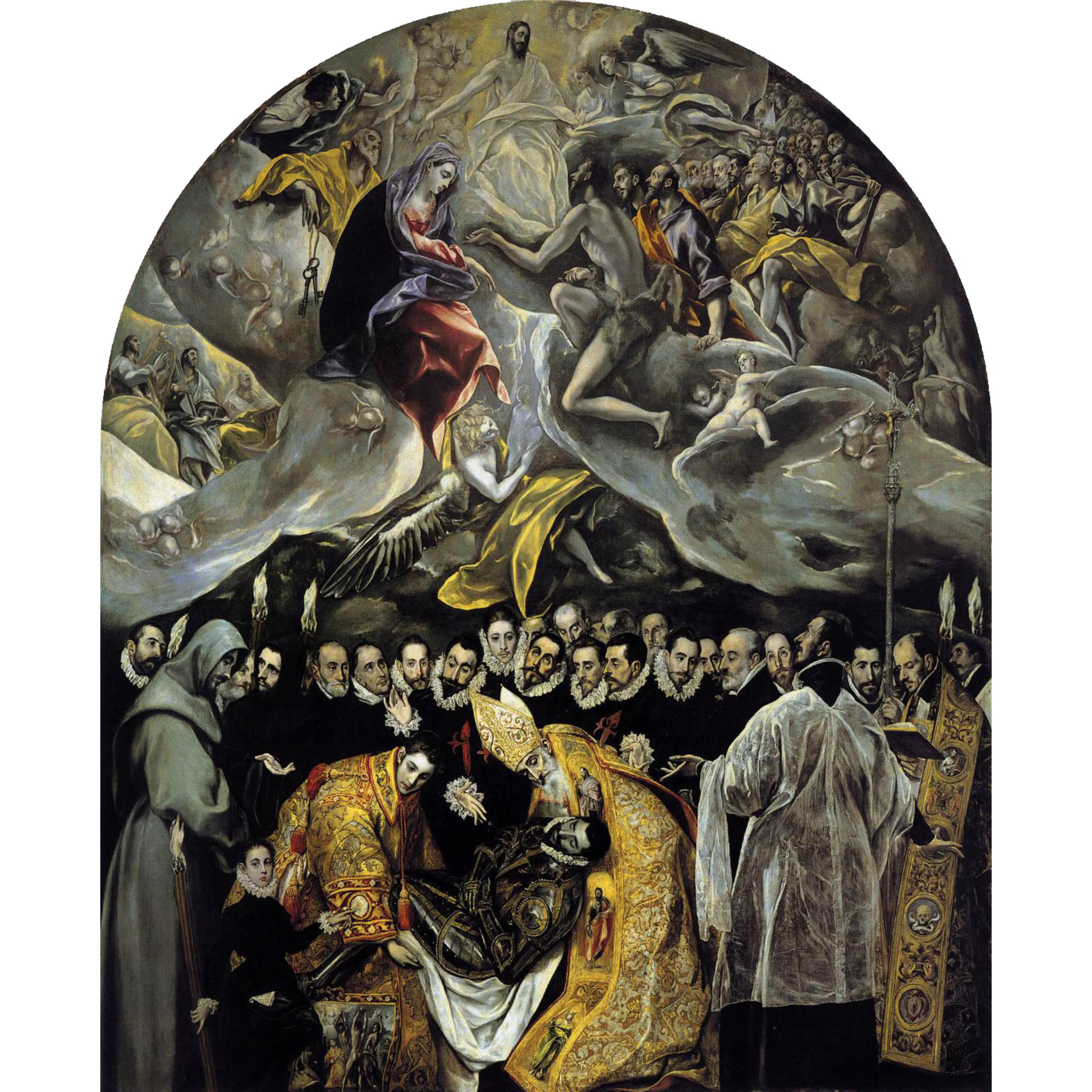
Domenikos Theotokopoulos, better known as El Greco, was a singular figure in art history who bridged the gap between Byzantine tradition and Western modernism. Born in Crete in 1541, he trained as an icon painter before moving to Venice and Rome, where he absorbed the vibrant colors of the High Renaissance. However, his bold personality and vocal criticism of local heroes like Michelangelo made it difficult for him to thrive in Italy. In 1577, he moved to Toledo, Spain, where he spent the rest of his life creating his most famous works for the Church and private intellectuals. El Greco is best remembered as a leading Mannerist. His style rejected strict realism in favor of emotional intensity, featuring elongated figures twisted in unnatural poses and bathed in eerie, acid-green or blue light. While a popular scientific theory in the early 20th century suggested these distortions were caused by astigmatism, historians have proven they were a deliberate stylistic choice intended to emphasize spiritual mysticism. He was also known for his litigious nature, frequently suing clients to ensure painting was respected as a high intellectual pursuit rather than a common craft. One of his crowning achievements is The Burial of the Count Orgaz (1586). This massive painting, located in the Church of Santo Tomé in Toledo, visually synthesizes his two main influences. The lower half depicts a miraculous funeral with striking realism, including portraits of local contemporaries, while the upper half represents the heavens with swirling, abstract forms. Although El Greco fell into obscurity for nearly three centuries after his death in 1614, he was rediscovered by Romantic and Expressionist artists in the 19th century. His unique approach to form and space became a major influence on modern masters, specifically Pablo Picasso, who used El Greco’s distortion as a blueprint for the development of Cubism. Check out my other podcasts  Fun Facts Daily | Art Smart | Rainbow Puppy Science Lab Who ARTed is an Airwave Media Podcast. If you are interested in advertising on this or any other Airwave Media show, email: [email protected] Learn more about your ad choices. Visit megaphone.fm/adchoices

Domenikos Theotokopoulos, better known as El Greco, was a singular figure in art history who bridged the gap between Byzantine tradition and Western modernism. Born in Crete in 1541, he trained as an icon painter before moving to Venice and Rome, where he absorbed the vibrant colors of the High Renaissance. However, his bold personality and vocal criticism of local heroes like Michelangelo made it difficult for him to thrive in Italy. In 1577, he moved to Toledo, Spain, where he spent the rest of his life creating his most famous works for the Church and private intellectuals. El Greco is best remembered as a leading Mannerist. His style rejected strict realism in favor of emotional intensity, featuring elongated figures twisted in unnatural poses and bathed in eerie, acid-green or blue light. While a popular scientific theory in the early 20th century suggested these distortions were caused by astigmatism, historians have proven they were a deliberate stylistic choice intended to emphasize spiritual mysticism. He was also known for his litigious nature, frequently suing clients to ensure painting was respected as a high intellectual pursuit rather than a common craft. One of his crowning achievements is The Burial of the Count Orgaz (1586). This massive painting, located in the Church of Santo Tomé in Toledo, visually synthesizes his two main influences. The lower half depicts a miraculous funeral with striking realism, including portraits of local contemporaries, while the upper half represents the heavens with swirling, abstract forms. Although El Greco fell into obscurity for nearly three centuries after his death in 1614, he was rediscovered by Romantic and Expressionist artists in the 19th century. His unique approach to form and space became a major influence on modern masters, specifically Pablo Picasso, who used El Greco’s distortion as a blueprint for the development of Cubism. Check out my other podcasts  Fun Facts Daily | Art Smart | Rainbow Puppy Science Lab Who ARTed is an Airwave Media Podcast. If you are interested in advertising on this or any other Airwave Media show, email: [email protected] Learn more about your ad choices. Visit megaphone.fm/adchoices

NOW PLAYING

El Greco | The Burial of the Count Orgaz

0:00 14:55

No transcript for this episode yet

We transcribe on demand. Request one and we'll notify you when it's ready — usually under 10 minutes.

French Your Way Jessica: Native French teacher founder of French Your Way Boost your French listening skills and test your comprehension with this one of a kind series of podcasts. Get the chance to listen to a real conversation between native speakers talking at normal speed AND customise your learning experience through carefully designed sets of questions (2 levels of difficulty) available for download at www.frenchvoicespodcast.com. All interviews also come with the transcript. French teacher Jessica interviews native speakers of French from around the world who share a bit of their life and passion. Where else would you meet in one same place a French yoga teacher based in Melbourne, a soap manufacturer from Provence, or a couple cycling around the world? That Hoarder: Overcome Compulsive Hoarding That Hoarder Hoarding disorder is stigmatised and people who hoard feel vast amounts of shame. This podcast began life as an audio diary, an anonymous outlet for somebody with this weird condition. That Hoarder speaks about her experiences living with compulsive hoarding, she interviews therapists, academics, researchers, children of hoarders, professional organisers and influencers, and she shares insight and tips for others with the problem. Listened to by people who hoard as well as those who love them and those who work with them, Overcome Compulsive Hoarding with That Hoarder aims to shatter the stigma, share the truth and speak openly and honestly to improve lives. The Small Business Startup School – Business Notes | Financial Literacy | Retail Psychology – For Professionals & Entrepreneurs The Small Business Startup School Inc. Starting or buying a small business? While personal circumstances may vary, business patterns remain timeless. On The Small Business Startup School, we explore strategies, insights, and practical solutions to help entrepreneurs confidently navigate their journey.Hosted by Ola Williams—a retail entrepreneur, fintech founder, and financial coach with over two decades of experience—this podcast marries financial awareness and retail psychology with optimism to deliver actionable takeaways.Join us to learn, grow, and connect as we uncover the keys to business success.Let’s continue to learn together and be encouraged to keep on connecting! HOMELAND HOMELAND The Church is a body not a building. It's the bride of Jesus Christ! Jesus is coming back for a mature bride. That means it's time for the church of Jesus Christ to move from milk to meat. This is the hour of maturity!HOMELAND is an announcement that the church is being set free. Only the church has the ability to transform the world. The kingdom's of this world will become the kingdoms of our Lord and Savior!All of creation has been waiting for this moment! Sons and daughters of God are rising up and taking their seat!

Frequently Asked Questions

How long is this episode of Who Arted: Weekly Art History for All Ages?

This episode is 14 minutes long.

When was this Who Arted: Weekly Art History for All Ages episode published?

This episode was published on November 14, 2025.

What is this episode about?

Domenikos Theotokopoulos, better known as El Greco, was a singular figure in art history who bridged the gap between Byzantine tradition and Western modernism. Born in Crete in 1541, he trained as an icon painter before moving to Venice and Rome,...

Can I download this Who Arted: Weekly Art History for All Ages episode?

Yes, you can download this episode by clicking the download button on the episode player, or subscribe to the podcast in your preferred podcast app for automatic downloads.
URL copied to clipboard!