Election watchdog forgets its purpose, fails spectacularly in its duty episode artwork

EPISODE · Jun 4, 2026 · 3 MIN

Election watchdog forgets its purpose, fails spectacularly in its duty

from Korea JoongAng Daily - Daily News from Korea

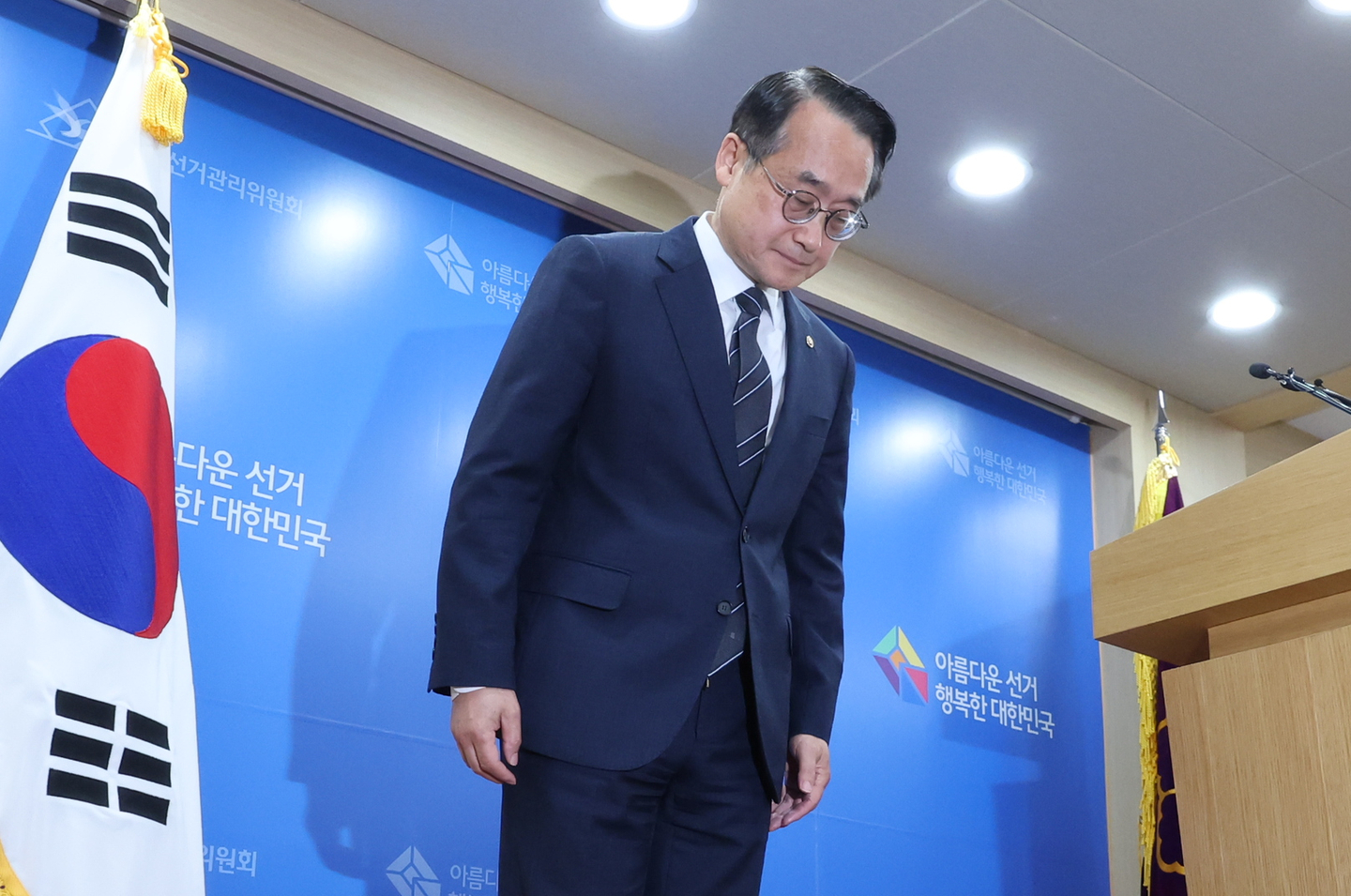
The fallout from the ballot shortage that struck 17 polling stations across Seoul, Gyeonggi and Incheon during the June 3 local elections continues to spread. Although the election has ended, a ballot box containing roughly 2,000 votes cast in Jamsil 7-dong, Songpa District, Seoul, remained unopened as of Thursday, while protests by citizens outraged over the botched administration of the vote persisted. Because the National Election Commission (NEC) failed to prepare an adequate number of ballots, voters' fundamental political rights were ultimately infringed upon, and confidence in the fairness of the election was severely undermined. President Lee Jae Myung on Thursday rebuked the commission, saying that "gaps in election management that are difficult to understand or justify" had occurred. The Democratic Party raised questions about the future of Secretary-General Heo Cheol-hoon, while the People Power Party called for the immediate resignation of all officials responsible for the fiasco, including NEC Chairman Rho Tae-ak. Yet given the gravity of the matter, it is doubtful that the resignation of a handful of officials alone can calm public anger. Such a bewildering administrative blunder — the kind more commonly associated with poorly governed states — can only be explained by a comprehensive breakdown of discipline and accountability. A thorough investigation into the decision-making process that led to the ballot shortage is the bare minimum. Those responsible must be held fully accountable, both legally and administratively. The NEC, in fact, has enjoyed an extraordinary degree of autonomy as a constitutionally independent institution since its establishment in the wake of the fraudulent March 15 presidential election of 1960. The public expected the commission to safeguard the independence and neutrality of election administration. Instead, it has repeatedly generated controversy, from the notorious "basket voting" scandal to a series of other election-related disputes. Shielded by its independent status, the commission has long resisted oversight, refusing audits by the Board of Audit and Inspection of Korea and avoiding administrative inspections of its operations. The preferential hiring of children of commission officials was one such internal scandal that flourished in a blind spot beyond effective public scrutiny. An institution whose very lifeblood is fairness has repeatedly found itself embroiled in allegations of voting irregularities and misconduct. Calls for fundamental reform have surfaced time and again, only to fade without meaningful results. Under current law, the chairman of the NEC and the heads of regional election commissions serve in non-executive, largely honorary capacities, leaving internal controls weak. Perhaps because the commission wields the power to file criminal complaints, politicians from both the ruling and opposition camps have often been reluctant to challenge it. Any institution that operates without meaningful checks and balances is bound to grow complacent and vulnerable to corruption. This latest debacle must not be brushed aside. The NEC's organizational structure and election management system require a comprehensive overhaul. That is also the surest way to dispel persistent conspiracy theories about election fraud and restore public trust in the democratic process. This article was originally written in Korean and translated by a bilingual reporter with the help of generative AI tools. It was then edited by a native English-speaking editor. All AI-assisted translations are reviewed and refined by our newsroom.

The fallout from the ballot shortage that struck 17 polling stations across Seoul, Gyeonggi and Incheon during the June 3 local elections continues to spread. Although the election has ended, a ballot box containing roughly 2,000 votes cast in Jamsil 7-dong, Songpa District, Seoul, remained unopened as of Thursday, while protests by citizens outraged over the botched administration of the vote persisted. Because the National Election Commission (NEC) failed to prepare an adequate number of ballots, voters' fundamental political rights were ultimately infringed upon, and confidence in the fairness of the election was severely undermined. President Lee Jae Myung on Thursday rebuked the commission, saying that "gaps in election management that are difficult to understand or justify" had occurred. The Democratic Party raised questions about the future of Secretary-General Heo Cheol-hoon, while the People Power Party called for the immediate resignation of all officials responsible for the fiasco, including NEC Chairman Rho Tae-ak. Yet given the gravity of the matter, it is doubtful that the resignation of a handful of officials alone can calm public anger. Such a bewildering administrative blunder — the kind more commonly associated with poorly governed states — can only be explained by a comprehensive breakdown of discipline and accountability. A thorough investigation into the decision-making process that led to the ballot shortage is the bare minimum. Those responsible must be held fully accountable, both legally and administratively. The NEC, in fact, has enjoyed an extraordinary degree of autonomy as a constitutionally independent institution since its establishment in the wake of the fraudulent March 15 presidential election of 1960. The public expected the commission to safeguard the independence and neutrality of election administration. Instead, it has repeatedly generated controversy, from the notorious "basket voting" scandal to a series of other election-related disputes. Shielded by its independent status, the commission has long resisted oversight, refusing audits by the Board of Audit and Inspection of Korea and avoiding administrative inspections of its operations. The preferential hiring of children of commission officials was one such internal scandal that flourished in a blind spot beyond effective public scrutiny. An institution whose very lifeblood is fairness has repeatedly found itself embroiled in allegations of voting irregularities and misconduct. Calls for fundamental reform have surfaced time and again, only to fade without meaningful results. Under current law, the chairman of the NEC and the heads of regional election commissions serve in non-executive, largely honorary capacities, leaving internal controls weak. Perhaps because the commission wields the power to file criminal complaints, politicians from both the ruling and opposition camps have often been reluctant to challenge it. Any institution that operates without meaningful checks and balances is bound to grow complacent and vulnerable to corruption. This latest debacle must not be brushed aside. The NEC's organizational structure and election management system require a comprehensive overhaul. That is also the surest way to dispel persistent conspiracy theories about election fraud and restore public trust in the democratic process. This article was originally written in Korean and translated by a bilingual reporter with the help of generative AI tools. It was then edited by a native English-speaking editor. All AI-assisted translations are reviewed and refined by our newsroom.

NOW PLAYING

Election watchdog forgets its purpose, fails spectacularly in its duty

0:00 3:38

No transcript for this episode yet

We transcribe on demand. Request one and we'll notify you when it's ready — usually under 10 minutes.

Breaking News Show | eTurboNews Juergen Thomas Steinmetz News is relevant to the global travel and tourism industry, human rights and global issues.Breaking news when it happens and only from the source. French Your Way Jessica: Native French teacher founder of French Your Way Boost your French listening skills and test your comprehension with this one of a kind series of podcasts. Get the chance to listen to a real conversation between native speakers talking at normal speed AND customise your learning experience through carefully designed sets of questions (2 levels of difficulty) available for download at www.frenchvoicespodcast.com. All interviews also come with the transcript. French teacher Jessica interviews native speakers of French from around the world who share a bit of their life and passion. Where else would you meet in one same place a French yoga teacher based in Melbourne, a soap manufacturer from Provence, or a couple cycling around the world? HOMELAND HOMELAND The Church is a body not a building. It's the bride of Jesus Christ! Jesus is coming back for a mature bride. That means it's time for the church of Jesus Christ to move from milk to meat. This is the hour of maturity!HOMELAND is an announcement that the church is being set free. Only the church has the ability to transform the world. The kingdom's of this world will become the kingdoms of our Lord and Savior!All of creation has been waiting for this moment! Sons and daughters of God are rising up and taking their seat! PodQuesting Dwight J Randolph- WolfShield Media PodQuesting: -By WolfShield Media and Dwight J RandolphJoin us on an exciting journey to master the world of fiction podcasting! At PodQuesting, we document our quest to improve and innovate, sharing valuable insights, strategies, and behind-the-scenes tips along the way. Whether you're an experienced podcaster or just starting your first show, our podcast is your go-to resource for everything podcasting.Discover practical advice, creative techniques, and lessons from our own experiences as we explore the ever-evolving podcasting landscape. Ready to level up your skills and embark on this adventure with us? Tune in and join the quest!Have questions or feedback? Reach out to us at [email protected] and visit our website:WolfShield.Media

Frequently Asked Questions

How long is this episode of Korea JoongAng Daily - Daily News from Korea?

This episode is 3 minutes long.

When was this Korea JoongAng Daily - Daily News from Korea episode published?

This episode was published on June 4, 2026.

What is this episode about?

The fallout from the ballot shortage that struck 17 polling stations across Seoul, Gyeonggi and Incheon during the June 3 local elections continues to spread. Although the election has ended, a ballot box containing roughly 2,000 votes cast in...

Can I download this Korea JoongAng Daily - Daily News from Korea episode?

Yes, you can download this episode by clicking the download button on the episode player, or subscribe to the podcast in your preferred podcast app for automatic downloads.
URL copied to clipboard!