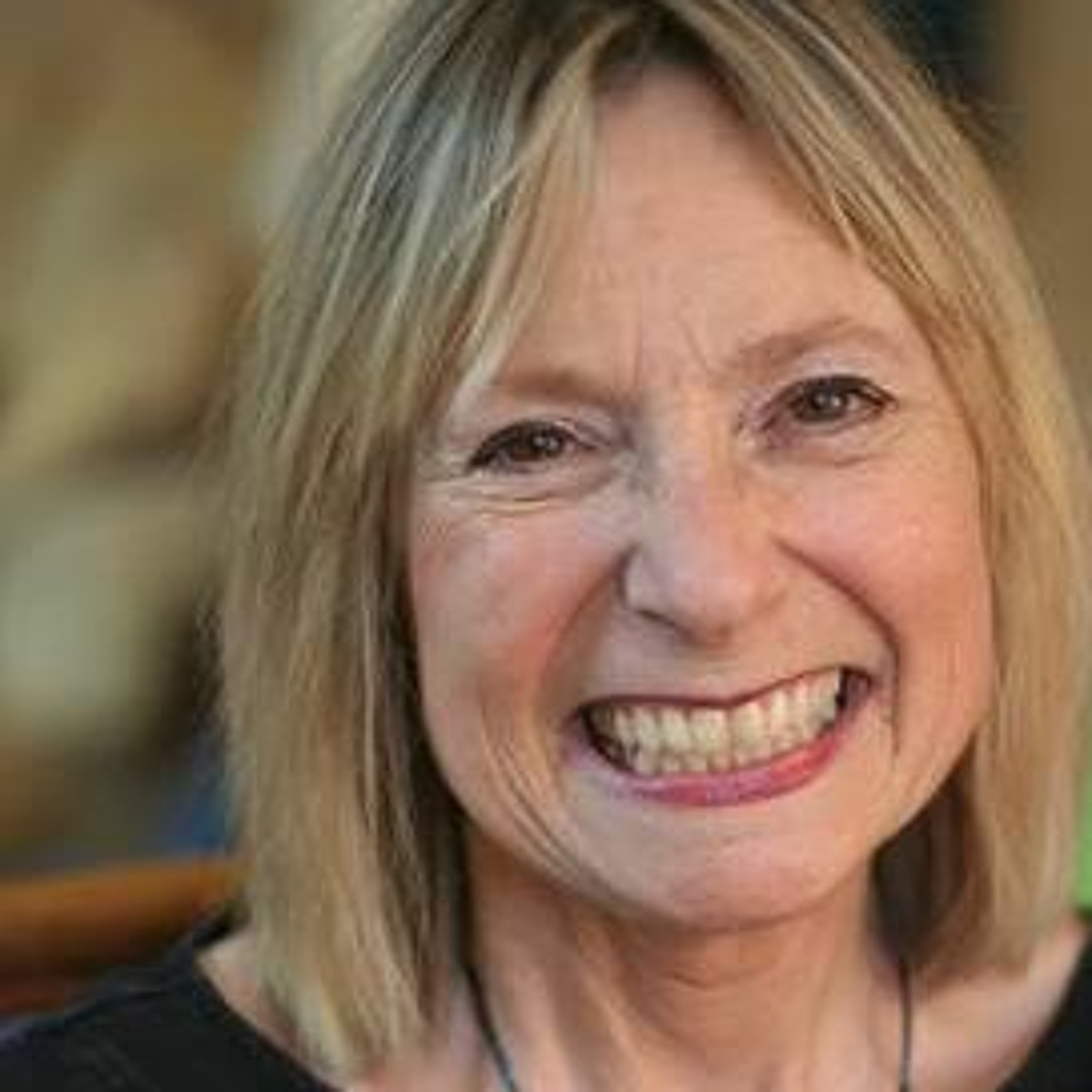
Elizabeth Jameson, artist and writer. episode artwork

EPISODE · Oct 4, 2021 · 26 MIN

Elizabeth Jameson, artist and writer.

from The Health Design Podcast · host Moyez Jiwa

Elizabeth Jameson is an artist and writer who explores what it means to live in an imperfect body as part of the universal human experience. Before her diagnosis of multiple sclerosis, she served as a public interest lawyer representing incarcerated children; she later represented children living with chronic illnesses and disabilities in their attempts to receive medically necessary care. As her disease progressed, she began using her MRI’s to create art as a way of reclaiming agency of her own medical data. She transformed the unsettling, clinical images into work that invites people to open up conversations about what it means to have an illness or disability. Her work is part of permanent collections both nationally and internationally, including the National Institutes of Health, major universities, and medical schools. She now writes personal essays and speaks across the country sharing her experiences living with illness and disability. Her essays have been published by The New York Times, British Medical Journal, WIRED magazine, and MIT’s Leonardo Journal "Intimate Visions: Representations of the Imperfect Body in the Age of Digital Medicine". Her essay, “Losing Touch, Finding Intimacy,” was included in the New York Times book, About Us, released in September 2019 by Norton Publishing. She published a second article in the New York Times titled "To Feed Me Is to Know Me". Many of her lectures at medical schools and symposiums have been recorded and shared, including her Stanford TedX talk, “Learning to Celebrate and Embrace Our Imperfect Bodies.”

Elizabeth Jameson is an artist and writer who explores what it means to live in an imperfect body as part of the universal human experience. Before her diagnosis of multiple sclerosis, she served as a public interest lawyer representing incarcerated children; she later represented children living with chronic illnesses and disabilities in their attempts to receive medically necessary care. As her disease progressed, she began using her MRI’s to create art as a way of reclaiming agency of her own medical data. She transformed the unsettling, clinical images into work that invites people to open up conversations about what it means to have an illness or disability. Her work is part of permanent collections both nationally and internationally, including the National Institutes of Health, major universities, and medical schools. She now writes personal essays and speaks across the country sharing her experiences living with illness and disability. Her essays have been published by The New York Times, British Medical Journal, WIRED magazine, and MIT’s Leonardo Journal "Intimate Visions: Representations of the Imperfect Body in the Age of Digital Medicine". Her essay, “Losing Touch, Finding Intimacy,” was included in the New York Times book, About Us, released in September 2019 by Norton Publishing. She published a second article in the New York Times titled "To Feed Me Is to Know Me". Many of her lectures at medical schools and symposiums have been recorded and shared, including her Stanford TedX talk, “Learning to Celebrate and Embrace Our Imperfect Bodies.”

NOW PLAYING

Elizabeth Jameson, artist and writer.

0:00 26:34

No transcript for this episode yet

We transcribe on demand. Request one and we'll notify you when it's ready — usually under 10 minutes.

Frequently Asked Questions

How long is this episode of The Health Design Podcast?

This episode is 26 minutes long.

When was this The Health Design Podcast episode published?

This episode was published on October 4, 2021.

What is this episode about?

Elizabeth Jameson is an artist and writer who explores what it means to live in an imperfect body as part of the universal human experience. Before her diagnosis of multiple sclerosis, she served as a public interest lawyer representing...

Can I download this The Health Design Podcast episode?

Yes, you can download this episode by clicking the download button on the episode player, or subscribe to the podcast in your preferred podcast app for automatic downloads.
URL copied to clipboard!