
EPISODE · Jul 8, 2026 · 48 MIN
Elizabethan religious settlement
from A Survey of Anglican History
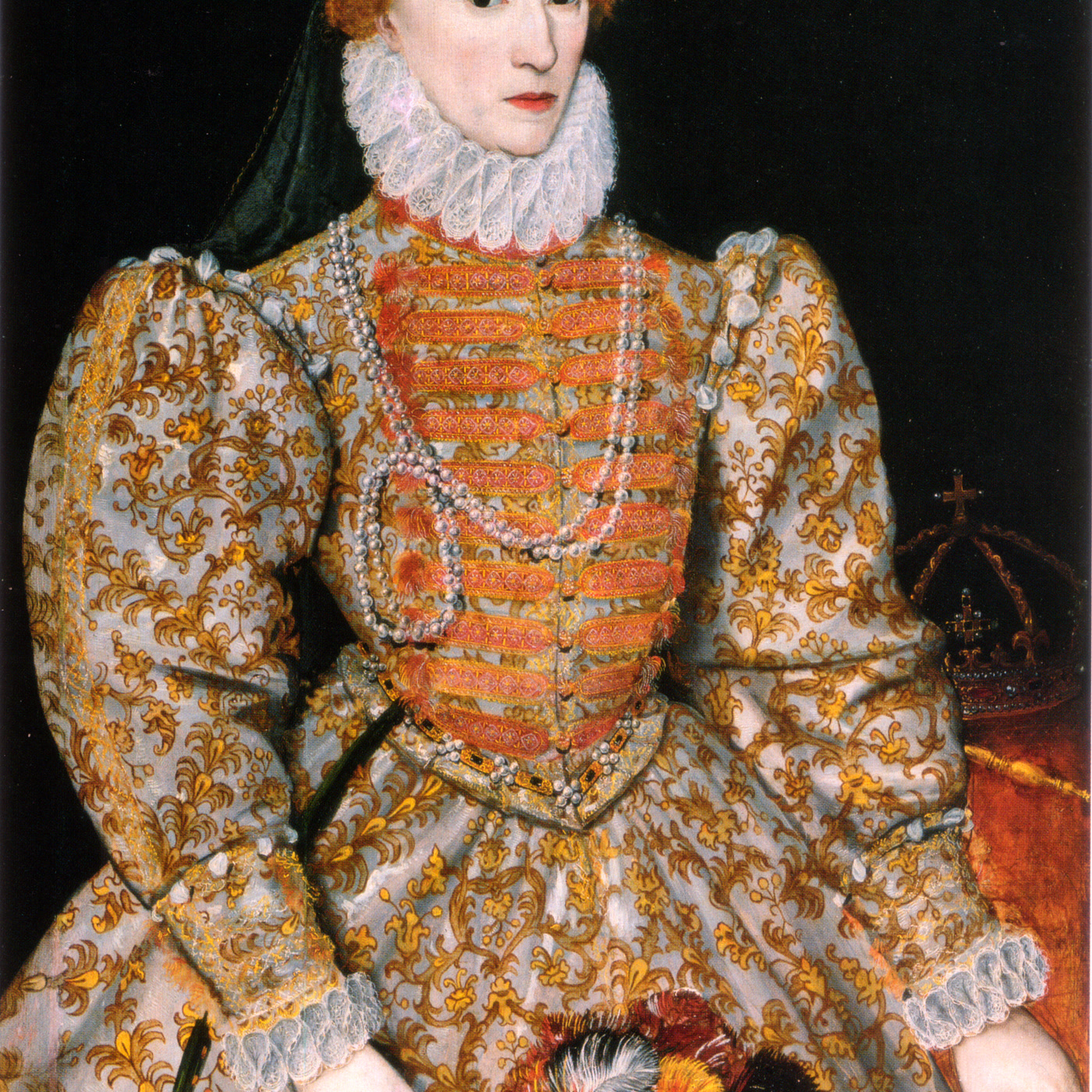
The Elizabethan religious settlement was the set of religious and political arrangements made for England during the reign of Elizabeth I (1558–1603). The settlement, implemented from 1559 to 1563, marked the end of the English Reformation. It permanently shaped the Church of England's doctrine and liturgy, laying the foundation for the unique identity of Anglicanism. When Elizabeth inherited the throne, England was bitterly divided between Catholics and Protestants as a result of various religious changes initiated by Henry VIII, Edward VI and Mary I. Henry VIII had broken from the Catholic Church and the authority of the pope, becoming the supreme head of the Church of England. During Edward's reign, the Church of England adopted a Reformed theology and liturgy. In Mary's reign, these religious policies were reversed, England was re-united with the Catholic Church and Protestantism was suppressed. The Elizabethan settlement was an attempt to end this religious turmoil. The Act of Supremacy of 1558 re-established the Church of England's independence from Rome. Parliament conferred on Elizabeth the title of Supreme Governor of the Church of England. The Act of Uniformity 1558 re-introduced the Book of Common Prayer, which contained the liturgical services of the church. Some modifications were made to appeal to Catholics and Lutherans, including giving individuals greater latitude concerning belief in the real presence of Christ in the Eucharist and permission to use traditional priestly vestments. In 1571, the Convocations of Canterbury and York adopted the Thirty-Nine Articles as a confessional statement for the church, and a Book of Homilies was issued outlining the church's reformed theology in greater detail. The settlement failed to end religious disputes. While most people conformed, a minority of recusants remained loyal Catholics. Within the Church of England, a Calvinist consensus developed among leading churchmen. Calvinists split between conformists and Puritans, who wanted to abolish what they considered papist abuses and replace episcopacy with a presbyterian church government. After Elizabeth's death, a high church, Arminian party gained power in the reign of Charles I and challenged the Puritans. The English Civil War (1642–1651) and the overthrow of the monarchy allowed the Puritans to pursue their reform agenda, including dismantling the Elizabethan settlement. The Restoration in 1660 reestablished both the monarchy and the religious settlement, but the Puritans were forced out of the Church of England. Anglicans henceforth defined their church as a via media or middle way between the religious extremes of Catholicism versus Protestantism, Arminianism versus Calvinism, and high church versus low church. Episode artwork: Artist: Unidentified painter. License: Public domain. Content adapted from Wikipedia (https://en.wikipedia.org/wiki/Elizabethan_religious_settlement), used under the Creative Commons Attribution-ShareAlike License.
Embed this episode
Ready to play
Elizabethan religious settlement
No transcript for this episode yet
Similar Episodes
No similar episodes found.
Similar Podcasts
No similar podcasts found.