
EPISODE · Apr 18, 2024 · 1H 6M
Embracing Neurodiversity in STEM Education for All Learners
from Think Inclusive
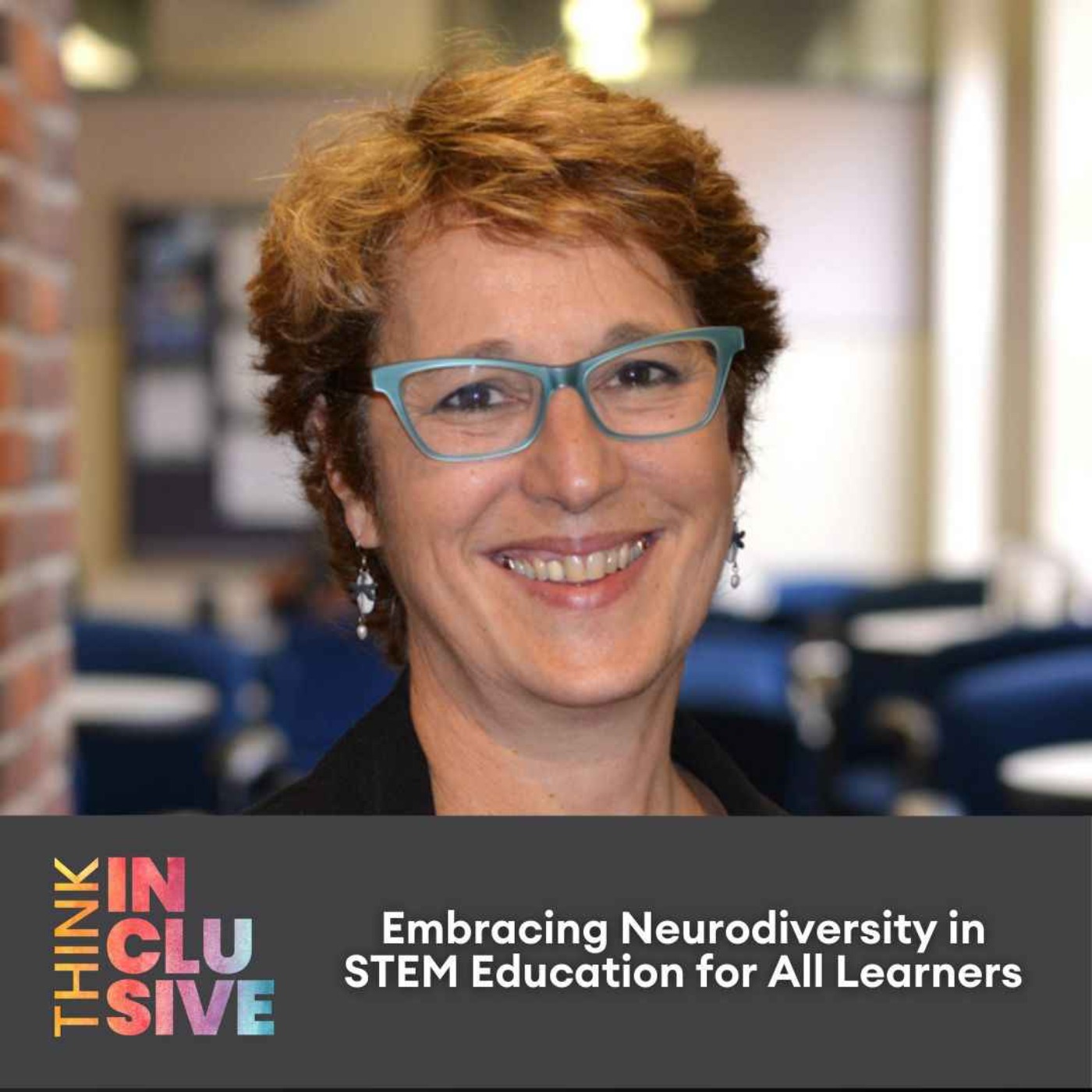
About the Guest(s): Dr. Jodi Asbell-Clarke is an esteemed figure in the STEM (Science, Technology, Engineering, Mathematics) community, particularly in the realm of game-based learning. With a background enriched by working on the space shuttle program for its first 25 missions, she has been pivotal in linking computational thinking and neurodiversity, offering unique insights into the talents that neurodivergent learners bring to STEM problem-solving. Asbell-Clarke holds a wealth of experience and has dedicated her career to advancing equity and opportunities in STEM education through innovative methods such as educational gaming. She is a key member of the Educational Gaming Environments group (Edge) at TERC, a non-profit dedicated to STEM education.Episode Summary: Join us on the Think Inclusive Podcast as we delve into the fascinating intersection of STEM education, game-based learning, and neurodiversity with our guest, Jodi Asbell-Clarke. With an intriguing blend of personal anecdotes and professional insights, this episode offers a deep dive into the ways educators can foster inclusive STEM classrooms that empower all learners, including those who are neurodivergent.Asbell-Clarke shares her journey from being a student with a keen interest in math, thanks to a dedicated teacher, to her work on groundbreaking educational games that unlock the potential of neurodivergent learners. This conversation traverses topics from computational thinking to the transformative educational power of project-based learning, presenting novel approaches to teaching that emphasize inclusivity, differentiation, and executive function support.Transcript: https://otter.ai/u/YwCjtk2WqRqgjOS9E-llrBEiskcKey Takeaways:The link between computational thinking skills and the natural talents of neurodivergent learners can create strong competencies in STEM fields.Game-based learning can serve as a gateway to STEM for students who may not traditionally engage with these subjects, leading to improved learning outcomes.Including neurodiversity in STEM education is not about remediation but rather about leveraging individual strengths to foster a community of skilled problem-solvers.Differentiated instruction and multiple entry points into learning activities can help address the diverse needs of students in a STEM classroom.Project-based learning and games like Portal offer powerful frameworks for engrossing students in STEM education while nurturing critical thinking skills.Resources:Educational Gaming Environments group (Edge): https://www.terc.edu/edge/Zoombinis game: Available in the App StoreJodi Asbell-Clarke's book: https://www.routledge.com/Reaching-and-Teaching-Neurodivergent-Learners-in-STEM-Strategies-for-Embracing-Uniquely-Talented-Problem-Solvers/Asbell-Clarke/p/book/9781032562476Education Week Article: https://www.edweek.org/teaching-learning/inside-a-school-that-doesnt-single-out-students-with-special-needs/2024/04Thank you to our sponsor for this week and the month of April: https://autismsociety.org/MCIE: https://www.mcie.org/ Hosted on Acast. See acast.com/privacy for more information.
Embed this episode
NOW PLAYING
Embracing Neurodiversity in STEM Education for All Learners
No transcript for this episode yet
Similar Episodes
No similar episodes found.
Similar Podcasts
No similar podcasts found.