
EPISODE · Aug 6, 2026 · 3 MIN
Emergency Planning
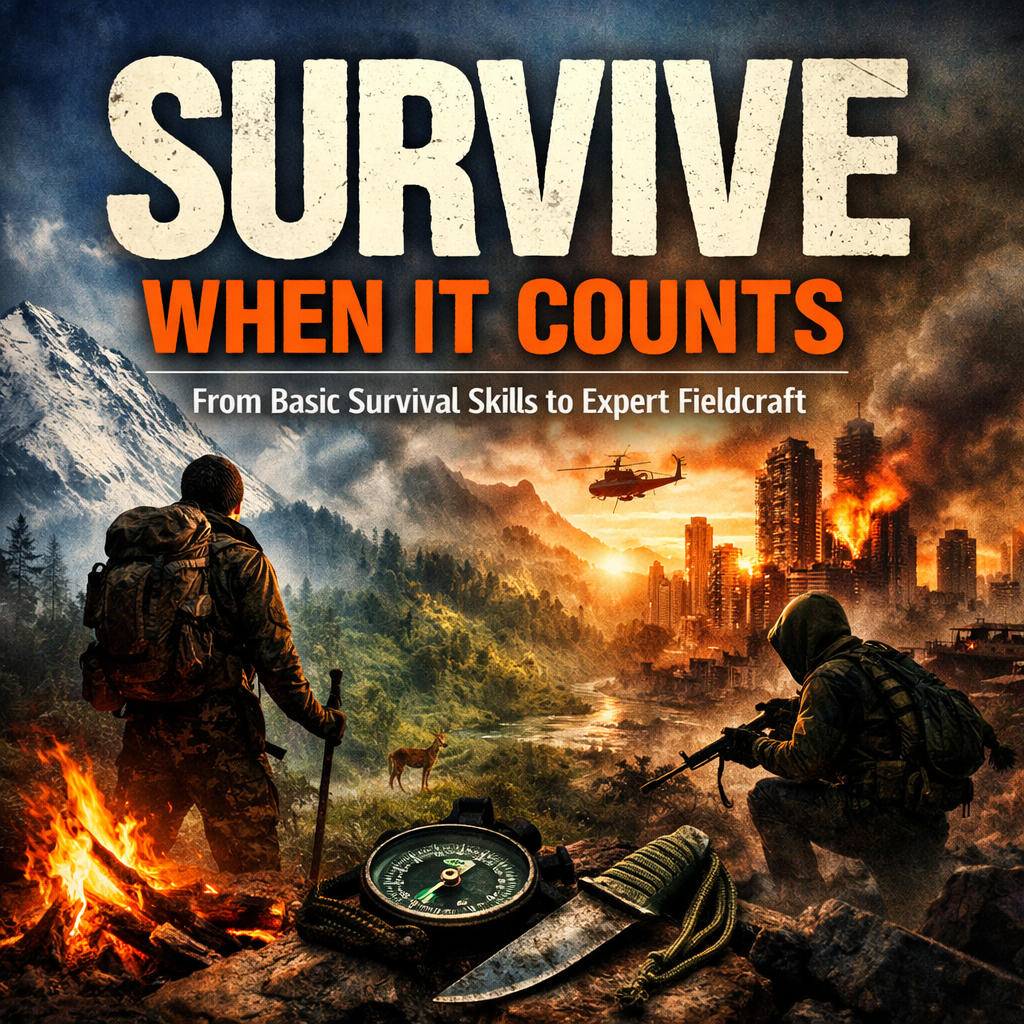
When people hear the phrase emergency planning, they often picture a dramatic disaster: a storm ripping through town, a power grid failure, or a last-minute evacuation. But good emergency planning is usually much quieter than that. It’s not about panic. It’s about reducing chaos before it starts. The goal is simple: when something goes wrong, you already know what to do, what to grab, where to go, and how to keep yourself and the people you care about safe.The first step is to think in terms of priorities, not possessions. In almost any emergency, the basics come first: life, water, shelter, warmth, communication, and information. That means your plan should answer a few key questions. How will you get alerts? Where will you meet family members if you’re separated? What supplies do you need to stay safe for at least 72 hours? A strong emergency plan is built around practical realities, not best-case assumptions. If roads are blocked, if phones fail, or if the power is out for days, what happens next?One of the most useful parts of emergency planning is creating layers. The first layer is personal readiness: a flashlight that works, medications in date, copies of important documents, a charged power bank, and enough water and food to get through the first stretch of disruption. The second layer is household readiness: knowing how to shut off utilities, keeping a fire extinguisher where you can reach it, and having a place to store emergency gear that everyone in the home can access. The third layer is communication. A written contact list matters when your phone battery dies or networks are overloaded. So does having one out-of-area contact everyone can check in with.It also helps to plan for different scenarios instead of one vague disaster. A winter storm looks very different from a house fire, and a neighborhood evacuation is not the same as sheltering in place. Emergency planning works best when you rehearse likely situations. If you live in a flood zone, know your routes and elevation risks. If you’re in a wildfire area, understand defensible space and evacuation triggers. If you travel often, keep a compact kit in your vehicle and know what you’d need if you had to spend the night away from home unexpectedly. The more specific your planning, the less you have to improvise under stress.Just as important, emergency planning should be realistic enough that people will actually use it. A plan that is too complicated usually fails when things get tense. Keep it simple, clear, and visible. Review it every few months. Update it when your family changes, when seasons change, or when your living situation changes. Practice small parts of it so the response becomes familiar instead of theoretical. In an emergency, familiarity saves time, and time saves lives.At its best, emergency planning is a habit of thinking ahead. It gives you options, and options create confidence. You may never need every part of your plan, but if the day comes when conditions turn hostile, you’ll be glad you prepared. Because survival rarely begins in the middle of a crisis. It begins long before, with the decision to be ready.Next step: Find the book on Amazon and Books Central Website — https://www.poddyhost.com/go/4944?src=rss
Embed this episode
NOW PLAYING
Emergency Planning
No transcript for this episode yet
Similar Episodes
No similar episodes found.