
EPISODE · Aug 8, 2026 · 3 MIN
Emotional Distress
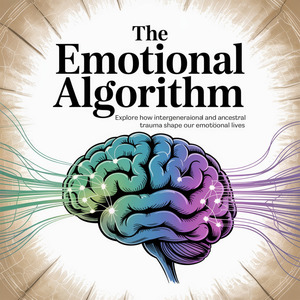
Emotional distress is something most of us recognize before we can fully explain it. It might show up as anxiety that seems to come from nowhere, a heaviness that lingers after a difficult conversation, or a reaction that feels bigger than the moment itself. In this episode, we’re looking at emotional distress through a wider lens: not just as a personal struggle, but as a possible echo of intergenerational trauma, ancestral trauma, and the patterns we inherit from the people who came before us. One of the most important things to understand is that emotional distress is not a sign of weakness. From a psychological perspective, it is often the mind and body’s way of signaling that something feels unsafe, unresolved, or overwhelming. The nervous system is constantly scanning for threat, and when it senses danger, it can shift into fight, flight, freeze, or fawn. Sometimes those responses are appropriate to the present moment. Other times, they are shaped by older experiences, including family patterns that were passed down through stories, silence, and survival strategies. This is where the neuroscience of emotions becomes especially helpful. Emotions are not just abstract feelings; they are deeply connected to the brain, body, and nervous system. The amygdala helps detect threat, the prefrontal cortex helps us regulate and reason, and the body stores the physical imprint of stress through hormones like cortisol and adrenaline. When someone has lived through trauma, or grown up around people who never had the chance to heal theirs, the brain can become more sensitive to danger. That means emotional distress can appear even when life on the outside seems calm. The body may still be reacting to old patterns, old pain, or old fear. Intergenerational trauma helps explain why some emotional struggles seem to repeat across families. A parent who learned to suppress grief may raise a child who struggles to name feelings. A grandparent who survived scarcity may pass down anxiety around safety, money, or control. These patterns are not about blame. They are about adaptation. Every generation does its best to survive with the tools it has. But what helps us survive does not always help us thrive. Healing begins when we notice the pattern without judging it, and then gently ask whether it still belongs in our lives. So what does healing inherited patterns actually look like? It often starts with awareness. Naming emotional distress can reduce its power, especially when we stop telling ourselves we are “too sensitive” or “overreacting.” From there, practices that support regulation can make a real difference: mindful breathing, grounding exercises, therapy, journaling, and safe relationships that allow honesty without shame. Healing is not always dramatic. Sometimes it is the quiet act of pausing before reacting, or choosing a different response than the one we inherited. Over time, these small choices help teach the nervous system that it is safe to feel, safe to rest, and safe to change. Emotional distress can be painful, but it can also be informative. It may be pointing us toward unmet needs, unresolved grief, or family patterns that are ready to be transformed. When we approach it with curiosity instead of fear, we create space for healing that reaches beyond the individual and into the family line. And that kind of healing is powerful. It does not erase the past, but it can change what gets carried forward. Next step: Rewrite Your Emotional Legacy With The Generational Algorithm — https://www.poddyhost.com/go/5005?src=rss
Embed this episode
Ready to play
Emotional Distress
No transcript for this episode yet
Similar Episodes
No similar episodes found.
Similar Podcasts
No similar podcasts found.