
EPISODE · Apr 18, 2026 · 3 MIN
Emotional Trauma
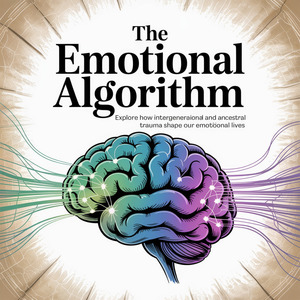
Emotional trauma is one of those topics that can feel deeply personal and surprisingly universal at the same time. We all carry experiences that shape how we react, love, trust, protect ourselves, and move through the world. But sometimes, the pain we feel does not begin with us. It can be passed down through family systems, cultural stories, and unspoken survival patterns. In this episode, we explore emotional trauma through the lens of intergenerational trauma, ancestral trauma, emotional psychology, and the neuroscience of emotions, so we can better understand not only where our pain comes from, but also how healing can begin. One of the most important ideas in emotional trauma work is that trauma is not only about what happened, but about what happened inside us as a result. A difficult event may overwhelm the nervous system, leaving the brain and body stuck in patterns of fear, vigilance, shutdown, or emotional reactivity. This is why two people can experience the same event and respond very differently. Emotional psychology helps explain how our early experiences shape our beliefs about safety, worth, and connection. If a child learns that emotions are ignored, punished, or unsafe, that child may grow into an adult who struggles to express needs or regulate feelings. The trauma becomes part of their emotional blueprint. Intergenerational trauma adds another layer to this conversation. Sometimes what we call “personal” emotional trauma is actually part of a larger inherited pattern. Families that have experienced loss, displacement, war, addiction, abuse, or chronic stress often pass down coping strategies that once helped them survive. Silence, perfectionism, emotional distance, and hyper-independence can all be survival responses that made sense in one generation and become painful limitations in the next. Ancestral trauma reminds us that we are shaped not only by our own lives, but by the emotional history of those who came before us. From a neuroscience of emotions perspective, trauma changes the way the brain processes threat and safety. The amygdala, which helps detect danger, may become overactive, while the prefrontal cortex, which supports reflection and regulation, can have a harder time calming the system. The body may stay on alert even when there is no immediate threat. That is why emotional trauma can show up as anxiety, numbness, anger, shame, difficulty sleeping, or feeling disconnected from others. The good news is that the brain is adaptable. With safe relationships, therapy, mindfulness, somatic practices, and compassionate self-awareness, new neural pathways can form. Healing inherited patterns starts with noticing them without judgment. We can ask ourselves: What did I learn about emotions in my family? What patterns do I repeat without meaning to? What am I carrying that may not actually belong to me? These questions create space for understanding instead of blame. Healing emotional trauma does not mean erasing the past. It means becoming more conscious of how the past lives in the present, and choosing new responses with care. Every time we regulate our emotions, speak honestly, set a boundary, or offer ourselves compassion, we interrupt an old pattern and create something new. Emotional trauma may be inherited, hidden, or long forgotten, but it is not destiny. When we understand the science, the psychology, and the family story behind our pain, we gain more freedom to heal. And healing does not just affect one person. It can ripple across generations. That is the quiet power of awareness: it helps us transform survival into resilience, and inherited pain into a more conscious future. Next step: Rewrite Your Emotional Legacy With The Generational Algorithm — https://www.poddyhost.com/go/1611?src=rss
Embed this episode
Ready to play
Emotional Trauma
No transcript for this episode yet
Similar Episodes
No similar episodes found.
Similar Podcasts
No similar podcasts found.