
EPISODE · Jun 26, 2026 · 32 MIN
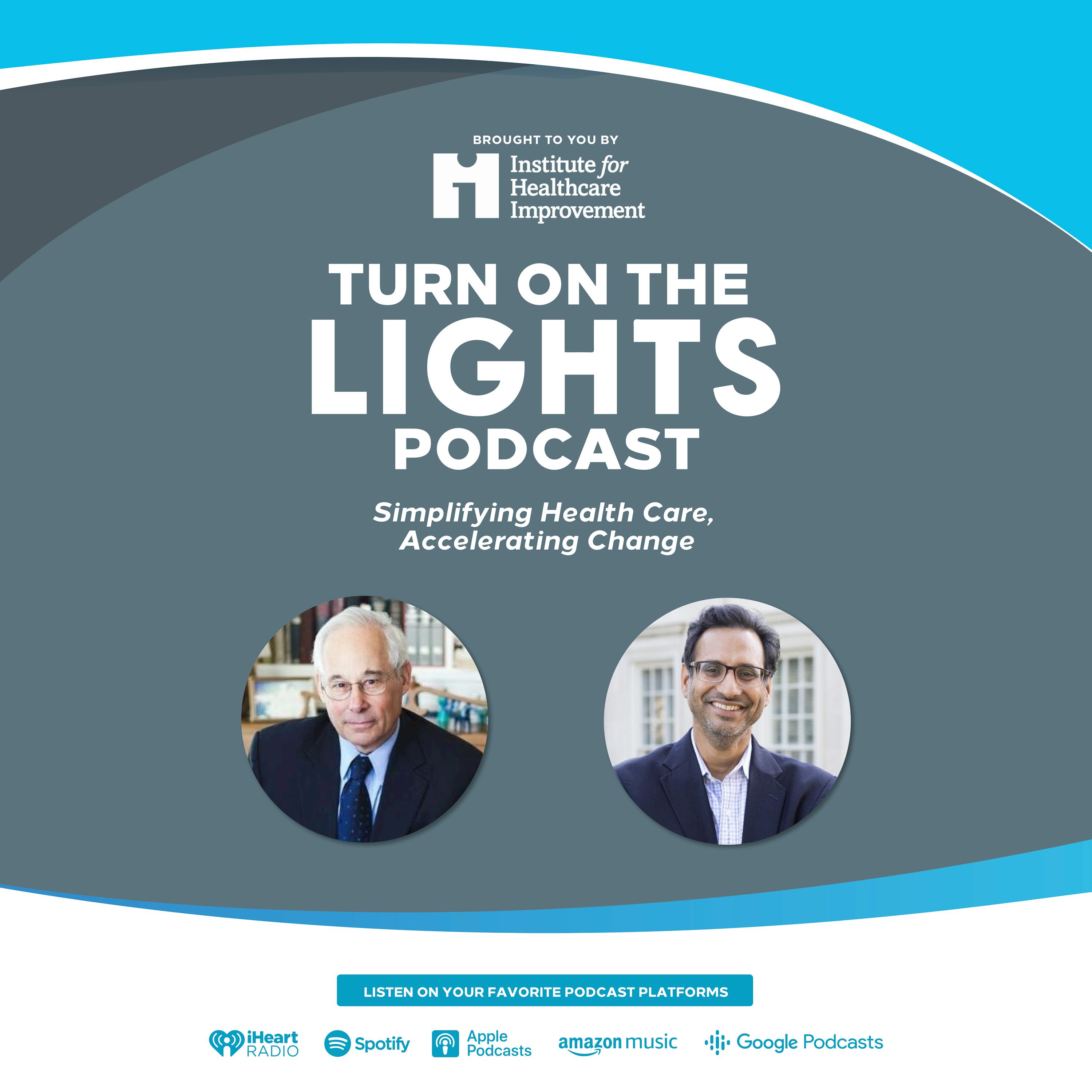
Encore Release: The Real Reason Training Alone Cannot Fix Patient Safety
from Turn on the Lights Podcast
Welcome back to a special encore presentation of Turn on the Lights! As we continue our transition series, our new host, Dr. Philip, has hand-selected one of our most-listened-to and impactful conversations from the archives to highlight once again. Dr. Philip introduces this essential dialogue with Professor Charles Vincent, reflecting on why its core message, moving past basic compliance toward true, real-time healthcare improvement, is so vital to where the podcast is headed next. Summary: Blame rarely makes care safer, but understanding the system usually does. In this episode, Professor Charles Vincent, a clinical psychologist and leading patient safety researcher, explains how harm often emerges from a chain of small breakdowns, not from a single “bad” decision, and why the better question is “what in the system allowed this to happen?” He unpacks how the fixation on individual error can miss deeper contributors, such as fatigue, poor supervision, weak monitoring, clunky equipment design, noise, distraction, and communication that is not truly heard. You will hear why disrespectful behavior and hierarchy are safety risks, how simple routines like surgical safety checklists can change whether people speak up, and why healthcare struggles to name the trade-off between pushing volume and protecting safety. Tune in and learn how a systems lens, respectful teamwork, and real trade-offs can make care safer. About Prof. Charles Vincent: Charles Vincent is a Professor of Psychology at the University of Oxford and a longtime researcher focused on patient safety across a wide range of healthcare settings. He studies how and why errors and patient harm happen, what actually works to improve safety, and how safety events affect patients, families, and healthcare staff. More recently, his work has zeroed in on how risk is managed when teams are under pressure, where small breakdowns can quickly compound in complex systems. Before Oxford, he spent over a decade at Imperial College London as Professor of Clinical Safety Research and later served as Emeritus Professor. His academic background spans psychology and clinical psychology, including a PhD in Psychology, which shapes his practical, systems-based approach to safety and risk management. Things You’ll Learn: Most serious harm in healthcare results from interconnected system conditions, such as missed monitoring, delays, and weak supervision, rather than a single individual error. A focus on blame fosters defensiveness and inhibits organizational learning, whereas a systems perspective examines factors such as fatigue, workflow, tools, environment, and teamwork that shape human performance. Disrespect and rigid hierarchy pose safety hazards by suppressing speaking up, whereas high-performing teams normalize open communication across roles. Safety routines, including surgical checklists, create social permission to voice concerns, but when senior clinicians dismiss them, psychological safety deteriorates. The tension between productivity and safety is often unacknowledged in healthcare, even though increasing volume and evolving care complexity, such as expanded home-based care, can heighten systemic risk. Resources: Connect with and follow Prof. Charles Vincent on LinkedIn.
Embed this episode
Ready to play
Encore Release: The Real Reason Training Alone Cannot Fix Patient Safety
No transcript for this episode yet
Similar Episodes
No similar episodes found.
Similar Podcasts
No similar podcasts found.