
EPISODE · Feb 26, 2025 · 6 MIN
Endings
from Backward Mutters Podcast · host Randy Edwards
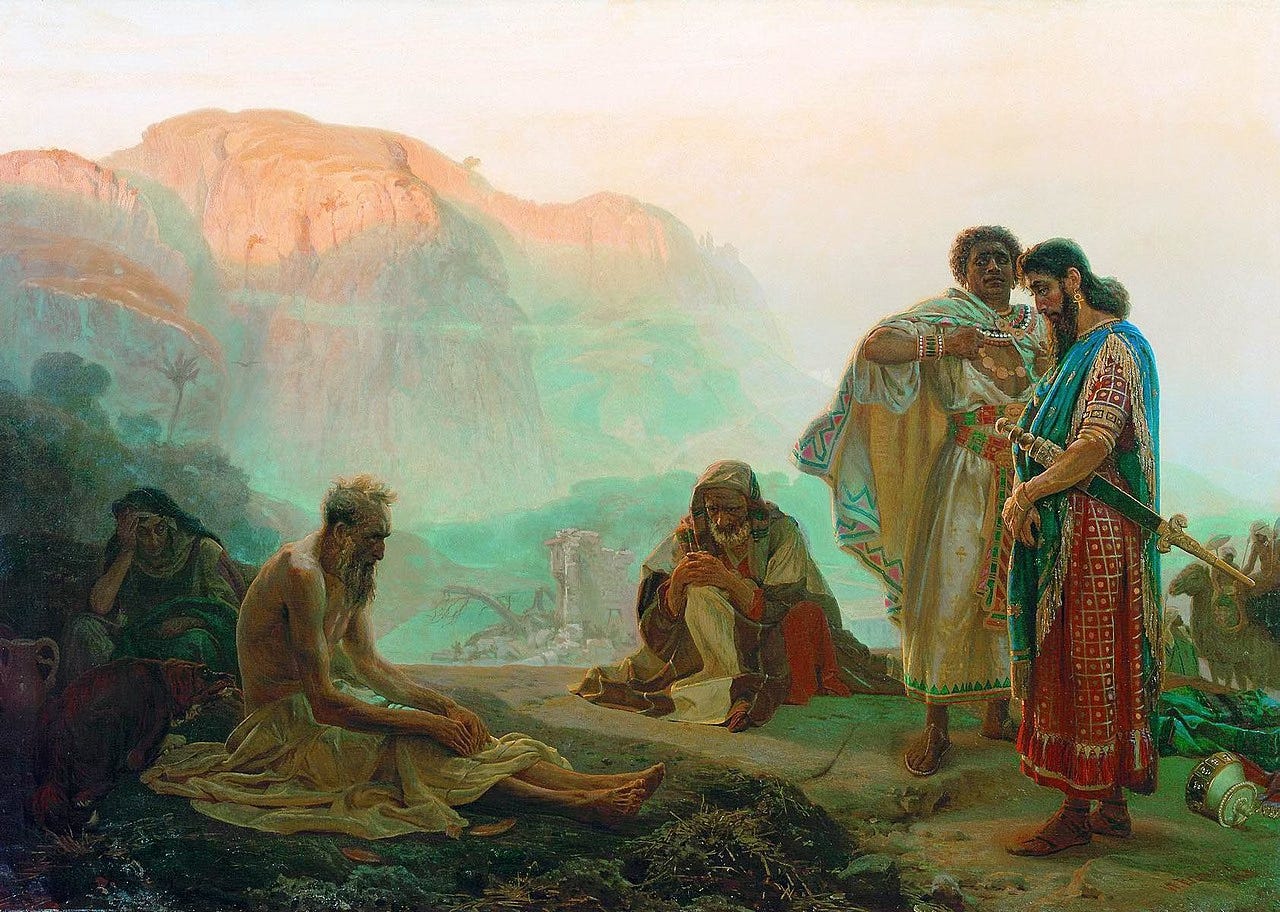
Good morning! Today is February 26, 2025 and today’s poem is inspired by the ending of the book of Job. I began writing poems inspired by the book of Job in the fall of 2020 when I preached a series through the book — a book I had avoided because I couldn’t imagine how one could preach forty chapters of poetic dialogue. Thankfully, there are smarter people than me, and I was helped by the books and preachers who have commented on and preached through the book before. Now there are many opinions about the book of Job and how to read it. My take on one of the great themes the book is coming to terms with the inadequacy of a religion that merely views justice as retributive and success the reward of a life lived well. These are not in themselves wrong. All you have to do is read through the book of Proverbs to see that these ideas are commended and encouraged. You cannot have hope that things will be set right if wickedness is not punished. Neither will you thrive if you don’t believe a person reaps what they have sown. The problem is that neither of these explain Job’s circumstances. A person is only two-thirds right if they only believe that one gets what they deserve AND that a person reaps what they have sown. But this two-thirds theology is all the theology Job’s friends have. They believe that Job must’ve done something very wicked to suffer they he has and is suffering. However, there is another third that these friends can’t seem to imagine. Through the book, Job gets glimpses of this other piece when with confidence and hope in the face of all the circumstantial data, he says, “I know that my Redeemer lives, and in the end he will stand on the earth (Job 19:25).” He gets another glimpse in his apprehension of the existence of wisdom which can bring him to understand and navigate the complexities of life. But, Job never does get the answer to why these things have happened to him. (The reader of Job knows more than he does). Though Job doesn’t get an answer, God does come to him, and in coming to Job, Job is able to behold the Lord; it is in beholding the Lord that his anger and bitterness fall off. And get this, none of his circumstances change, yet he sees something, and that something answers suffices for all his questions. I think this is to what C.S. Lewis’ points at the end of, Till We Have Faces when Orual says, I know now why when asked you utter no answer. It is because you yourself are the answer.” Here’s my poetic supposal of Job’s response to seeing the Lord. Endings There was nothing left to do But put my hand over my mouth, Not speak another word. You are right and strong, And though I still believe I did nothing wrong, I know you did not either. For now my eye sees you, Sees all that you have done, Perceives something you will do, And it is too wonderful for me; For not only can you do all things, But you will do everything That needs doing. I see the work of your hands And something of their stretched span, Something more than getting what’s owed, Someone in between, In between merely getting the reaping Of that which was sowed, And the strong arm which can Work or hold or let go. Somewhere between the span of those two hands Is a heart that will be betrayed and broken— Broken open in an effusion of blood And water and love. I had heard of You, but I have spoken Of things I did not understand, Things I did not know. And though I still sit on this heap of ash, And though I have more questions I could ask, I am at peace, am comforted, and at rest. For I am Yours, and You are mine, And that is best. Now, whatever good You send Will not be first but only the rest And resting in You shall never end. Get full access to Backward Mutters at backwardmutters.substack.com/subscribe
Embed this episode
Ready to play
Endings
No transcript for this episode yet
Similar Episodes
No similar episodes found.
Similar Podcasts
No similar podcasts found.