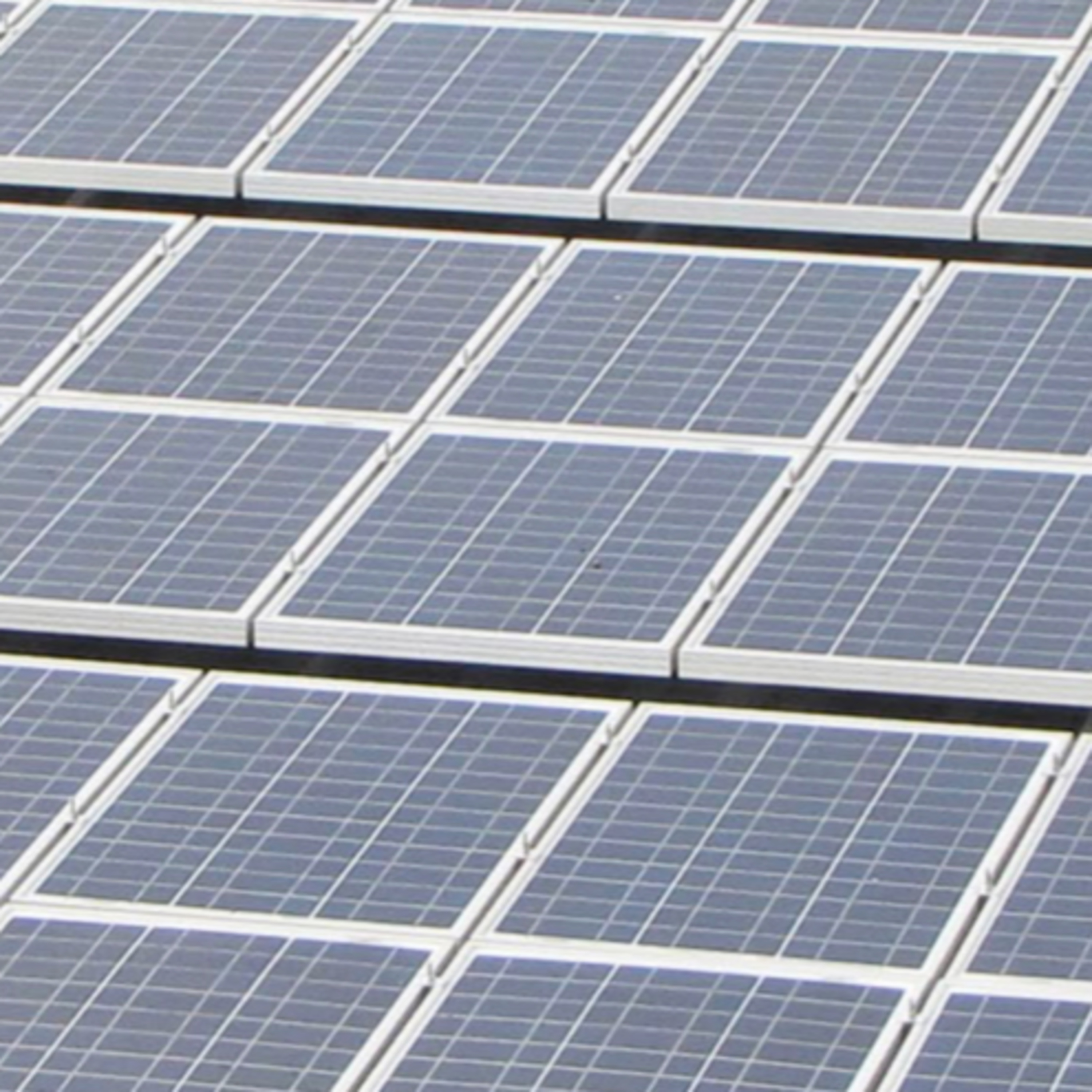
Energia Solar - Solar Energy. episode artwork

EPISODE · Nov 11, 2020 · 3 MIN

Energia Solar - Solar Energy.

from Podcasts de Ecologia/Composições musicais/NaturezaEcology Podcasts/Musical Compositions/Nature · host multimidiavillage

What is solar energy? Solar energy is electromagnetic energy whose source is the sun. It can be transformed into thermal or electrical energy and applied in different uses. The two main ways of using solar energy are the generation of electric energy and solar water heating. For the production of electrical energy, two systems are used: the heliothermic, in which the irradiation is converted first into thermal energy and later into electrical energy; and the photovoltaic system, in which solar radiation is converted directly into electrical energy. Brazil has about 70% of its electrical matrix based on hydraulic energy, and more recently other sources of energy, such as biomass, wind and nuclear have been receiving stimulus. In view of unfavorable hydrological conditions, with increasingly prolonged drought periods, solar energy presents itself as an alternative. Even more so if we consider that periods of drought are associated with increased solar potential due to low cloud interference and more intense solar radiation. The main advantages attributed to photovoltaic systems are ease of maintenance; the possibility of storing electricity generated in batteries; relatively low impacts, mainly in the operation phase. Regarding the disadvantages, refer to the associated implementation costs; changes in light throughout the day, the presence of unfavorable weather conditions, such as rain and the presence of clouds; the need to replace batteries and the negative impacts during the production, construction and demobilization phases. The environmental impacts generated in projects for solar photovoltaic use are closely related to their location, the physical and climatic characteristics of the location and the characteristics of local ecosystems. However, under a generalized analysis, the negative impacts presented by photovoltaic systems are quite reduced when compared to the positive impacts and the advantages of their implementation. Today you learned a little more about solar energy. Until the next program.

What is solar energy? Solar energy is electromagnetic energy whose source is the sun. It can be transformed into thermal or electrical energy and applied in different uses. The two main ways of using solar energy are the generation of electric energy and solar water heating. For the production of electrical energy, two systems are used: the heliothermic, in which the irradiation is converted first into thermal energy and later into electrical energy; and the photovoltaic system, in which solar radiation is converted directly into electrical energy. Brazil has about 70% of its electrical matrix based on hydraulic energy, and more recently other sources of energy, such as biomass, wind and nuclear have been receiving stimulus. In view of unfavorable hydrological conditions, with increasingly prolonged drought periods, solar energy presents itself as an alternative. Even more so if we consider that periods of drought are associated with increased solar potential due to low cloud interference and more intense solar radiation. The main advantages attributed to photovoltaic systems are ease of maintenance; the possibility of storing electricity generated in batteries; relatively low impacts, mainly in the operation phase. Regarding the disadvantages, refer to the associated implementation costs; changes in light throughout the day, the presence of unfavorable weather conditions, such as rain and the presence of clouds; the need to replace batteries and the negative impacts during the production, construction and demobilization phases. The environmental impacts generated in projects for solar photovoltaic use are closely related to their location, the physical and climatic characteristics of the location and the characteristics of local ecosystems. However, under a generalized analysis, the negative impacts presented by photovoltaic systems are quite reduced when compared to the positive impacts and the advantages of their implementation. Today you learned a little more about solar energy. Until the next program.

NOW PLAYING

Energia Solar - Solar Energy.

0:00 3:12

No transcript for this episode yet

We transcribe on demand. Request one and we'll notify you when it's ready — usually under 10 minutes.

No similar episodes found.

No similar podcasts found.

Frequently Asked Questions

How long is this episode of Podcasts de Ecologia/Composições musicais/NaturezaEcology Podcasts/Musical Compositions/Nature?

This episode is 3 minutes long.

When was this Podcasts de Ecologia/Composições musicais/NaturezaEcology Podcasts/Musical Compositions/Nature episode published?

This episode was published on November 11, 2020.

What is this episode about?

What is solar energy? Solar energy is electromagnetic energy whose source is the sun. It can be transformed into thermal or electrical energy and applied in different uses. The two main ways of using solar energy are the generation of electric...

Can I download this Podcasts de Ecologia/Composições musicais/NaturezaEcology Podcasts/Musical Compositions/Nature episode?

Yes, you can download this episode by clicking the download button on the episode player, or subscribe to the podcast in your preferred podcast app for automatic downloads.
URL copied to clipboard!