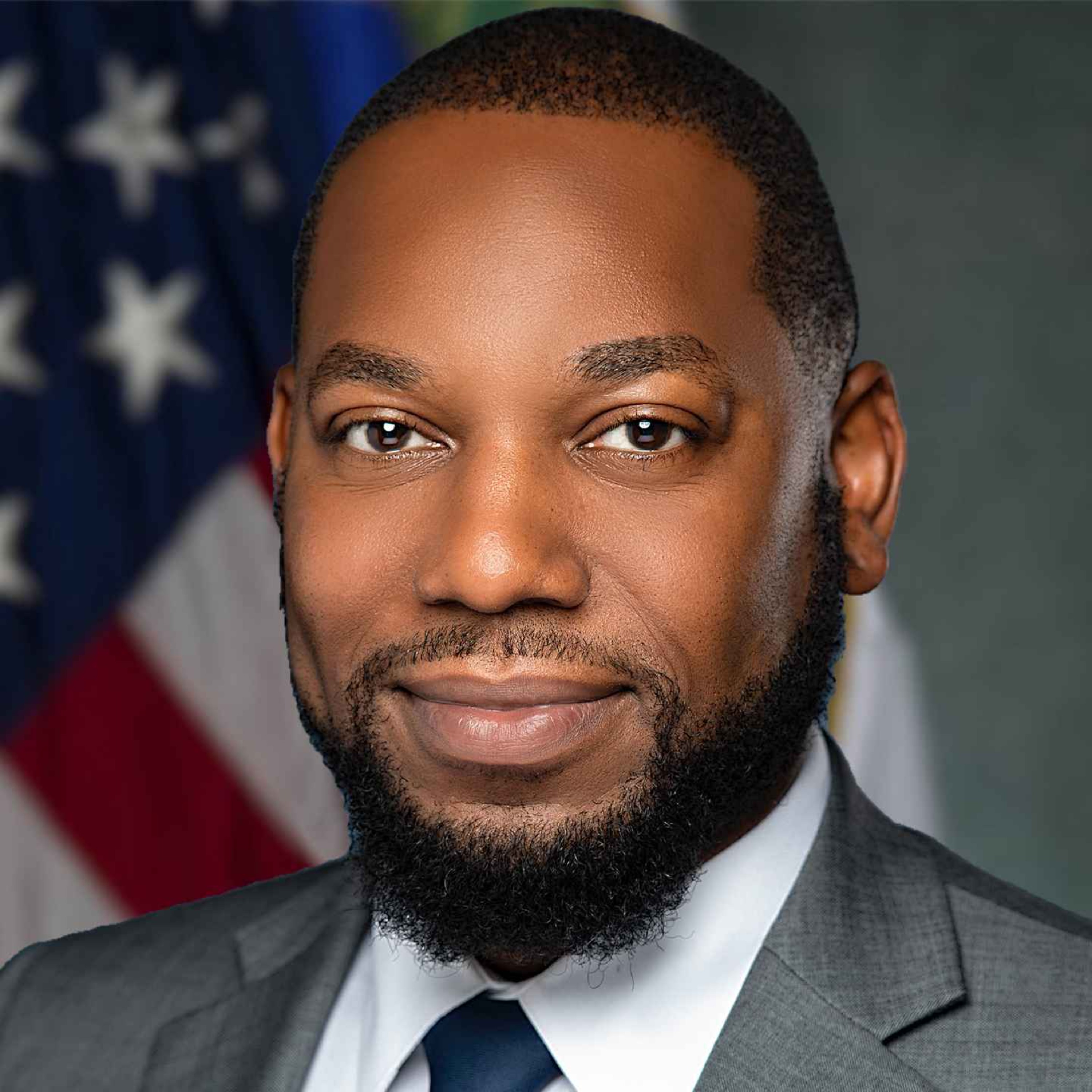
Energy justice expert on his pursuit for affordable and clean energy for all episode artwork

EPISODE · Jun 13, 2025 · 52 MIN

Energy justice expert on his pursuit for affordable and clean energy for all

from Berkeley Talks

In Berkeley Talks episode 228, Tony Reames, a professor of environmental justice at the University of Michigan, discusses how the U.S. energy system has persistently harmed marginalized communities, a result of legacies of government-sanctioned policies, like redlining, land theft and resource extraction. He goes on to emphasize the need for intentional efforts to undo these harms. “When we think about energy justice, the goal is to achieve equity in both the social and economic participation in our energy system,” says Reames, who served as deputy director for energy justice at the U.S. Department of Energy during the Biden-Harris administration.In 2015, he says, some 14% of U.S. households couldn’t afford their energy bills, and 21% had to decide between buying food and medicine or paying their energy bills. Eleven percent were keeping their homes at an unhealthy temperature, either too hot or too cold, because they couldn’t afford energy or they couldn’t repair their HVAC system. Higher proportions of income spent on energy are linked to negative health outcomes, including premature deaths and a decrease in average life expectancy. “Black households are more likely to live in communities in the shadows of fossil fuel generation,” says Reames. “Other communities of color are first and worst to experience the impact of climate emergencies. Communities with economies that rely on fossil fuels experience harm as our energy economy shifts. Think about predominantly white communities in Appalachia, offshore drilling communities on the Gulf of Mexico, and refining communities like Richmond here in the Bay Area.”Although no country explicitly guarantees equal access to energy as a right in its laws, he says, he advocates for using important principles — like fairness, inclusion and repairing harm — to understand who is being left out or treated unfairly in our energy system, and how to guide our energy policies so they are more just and equitable. This event took place on Dec. 4, 2024, as part of UC Berkeley's Charles M. and Martha Hitchcock Lectures.Watch a video of the conversation on the Graduate Lectures website.Listen to the episode and read the transcript on UC Berkeley News (news.berkeley.edu/podcasts).Music by Blue Dot Sessions.Photo courtesy of Tony Reames. Hosted on Acast. See acast.com/privacy for more information.

In Berkeley Talks episode 228, Tony Reames, a professor of environmental justice at the University of Michigan, discusses how the U.S. energy system has persistently harmed marginalized communities, a result of legacies of government-sanctioned policies, like redlining, land theft and resource extraction. He goes on to emphasize the need for intentional efforts to undo these harms. “When we think about energy justice, the goal is to achieve equity in both the social and economic participation in our energy system,” says Reames, who served as deputy director for energy justice at the U.S. Department of Energy during the Biden-Harris administration.In 2015, he says, some 14% of U.S. households couldn’t afford their energy bills, and 21% had to decide between buying food and medicine or paying their energy bills. Eleven percent were keeping their homes at an unhealthy temperature, either too hot or too cold, because they couldn’t afford energy or they couldn’t repair their HVAC system. Higher proportions of income spent on energy are linked to negative health outcomes, including premature deaths and a decrease in average life expectancy. “Black households are more likely to live in communities in the shadows of fossil fuel generation,” says Reames. “Other communities of color are first and worst to experience the impact of climate emergencies. Communities with economies that rely on fossil fuels experience harm as our energy economy shifts. Think about predominantly white communities in Appalachia, offshore drilling communities on the Gulf of Mexico, and refining communities like Richmond here in the Bay Area.”Although no country explicitly guarantees equal access to energy as a right in its laws, he says, he advocates for using important principles — like fairness, inclusion and repairing harm — to understand who is being left out or treated unfairly in our energy system, and how to guide our energy policies so they are more just and equitable. This event took place on Dec. 4, 2024, as part of UC Berkeley's Charles M. and Martha Hitchcock Lectures.Watch a video of the conversation on the Graduate Lectures website.Listen to the episode and read the transcript on UC Berkeley News (news.berkeley.edu/podcasts).Music by Blue Dot Sessions.Photo courtesy of Tony Reames. Hosted on Acast. See acast.com/privacy for more information.

NOW PLAYING

Energy justice expert on his pursuit for affordable and clean energy for all

0:00 52:46

No transcript for this episode yet

We transcribe on demand. Request one and we'll notify you when it's ready — usually under 10 minutes.

Carnivores Don't Get Sunburn - Carnivore Diet Talks Carnivores Don't Get Sunburn - Carnivore Diet Talks Welcome to “Carnivores Don’t Get Sunburn,” where we have fun and explore the carnivore diet and its transformative power. Join us as we uncover real stories from individuals who have thrived on this diet, defying convention and embracing optimal health. Plus, stay tuned for our upcoming documentary featuring diverse carnivores overcoming health challenges. Learn more at www.carnivoredietdocumentary.com.Excitingly, we’re working on an upcoming documentary where we’ll feature carnivores from various walks of life, conquering diverse health challenges. Join us on this journey and learn more at www.carnivoredietdocumentary.com.Join us in uncovering the power of the carnivore diet. Prepare to be inspired, informed, and empowered to embrace optimal health and well-being.Welcome to “Carnivores Don’t Get Sunburn: Unveiling Real Stories of the Carnivore Diet.” Stay tuned for our upcoming documentary. Discover how this lifestyle can transform lives. Learn more at www.carnivoredietdocumentary.com IT IS WHAT IT IS with SHALLZ - SHALLY ZOMORODI Shally Zomorodi What?  "It is what it is" with ShallZ – Shally ZomorodiWhen? WeeklyHow long? 35 minutesEvery week, Mother of 4, wife, morning TV news anchor and ultimate hostess, Shally Zomorodi talks about life - its up's and downs and how to stay on track in her weekly podcast, ‘It is what it is.’  Known for her high energy, infectious smile and ability to see the cup as half full Shally talks about all things in life and how to work through its challenges. From parenting, marriage, friendships, current events to how to smile when it just seems impossible ‘It is what it is’ is the perfect podcast to help inspire you to dance through the rain. Tracking Nuclear Weapons Programs Center for Strategic and International Studies The CSIS Proliferation Prevention Program talks to experts about transparency and nuclear weapons. Cover Stories with Chess Life US Chess Chess Life Editor John Hartmann talks to the authors of each month's Chess Life cover story.

Frequently Asked Questions

How long is this episode of Berkeley Talks?

This episode is 52 minutes long.

When was this Berkeley Talks episode published?

This episode was published on June 13, 2025.

What is this episode about?

In Berkeley Talks episode 228, Tony Reames, a professor of environmental justice at the University of Michigan, discusses how the U.S. energy system has persistently harmed marginalized communities, a result of legacies of government-sanctioned...

Can I download this Berkeley Talks episode?

Yes, you can download this episode by clicking the download button on the episode player, or subscribe to the podcast in your preferred podcast app for automatic downloads.
URL copied to clipboard!