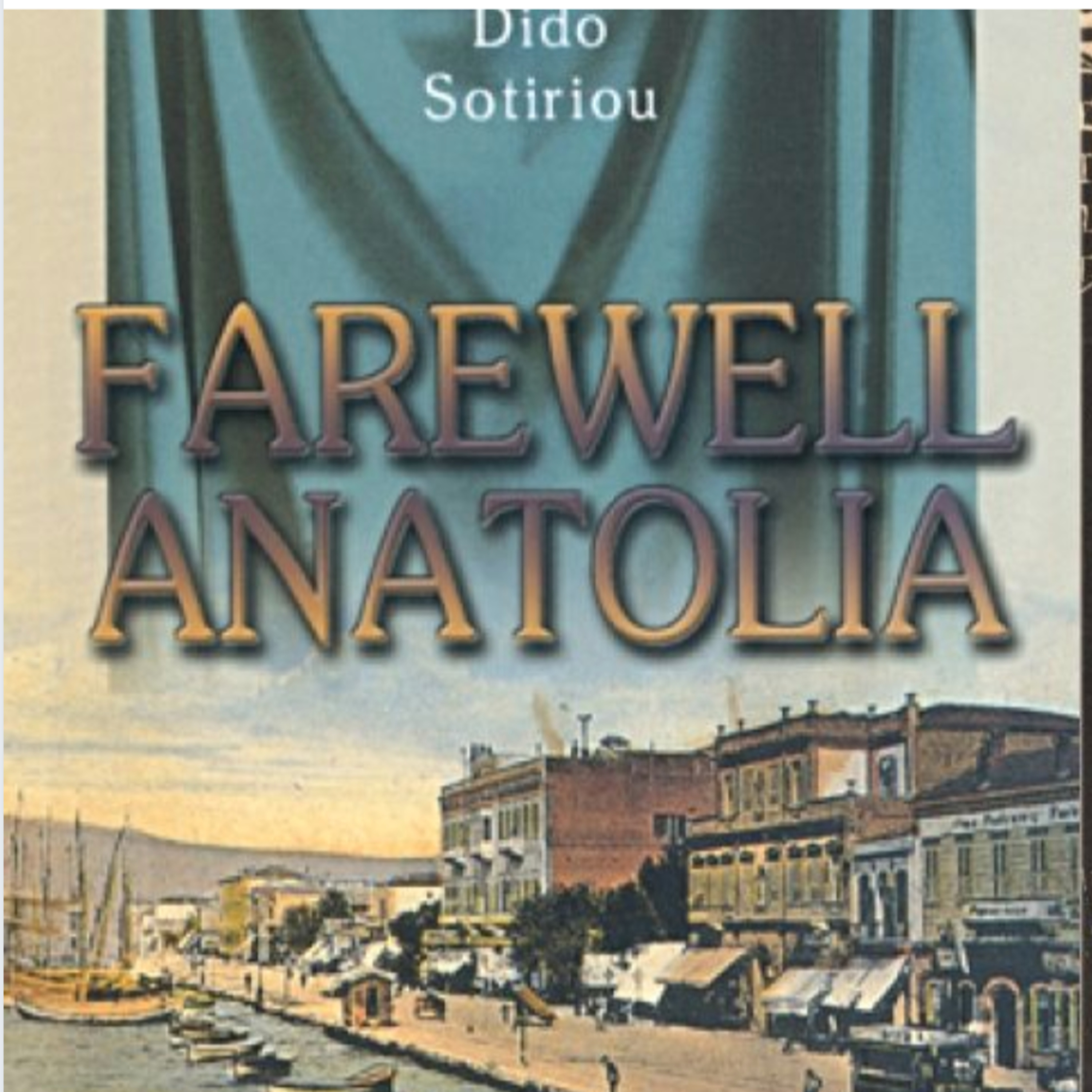
(English ) 😭 Dido Sotiriou - Farewell Anatolia / ματωμένα χώματα episode artwork

EPISODE · May 26, 2025 · 36 MIN

(English ) 😭 Dido Sotiriou - Farewell Anatolia / ματωμένα χώματα

from HAKAN AKARCALI PodcastBox / Özgün Eser İncelemeleri / Reviews of Original Works · host Hakan AKARCALI

Dido Sotiriou’s powerful novel Farewell Anatolia tells the tragic story of Anatolian Greek villagers at the dawn of the 20th century through the testimony of Manolis Axiotis, a character based on real accounts. The novel illuminates the devastating effects of war, exile, and identity crisis on a rural community deeply rooted in the land.At the heart of the story is the village of Kirkitsa, located in the Aydın region of western Anatolia. The villagers live off the land, cultivating olives, figs, raisins, wheat, and tobacco. Figs from Aydın are especially prized, known even in Europe and America. Life is hard, and families must work relentlessly to survive. The father strives to expand their lands, while siblings like Sofiya take on maternal roles, managing housework and labor in the fields. Brothers like Kosta, Panago, and Mihal are illiterate but deeply committed to farming. Thanks to their effort, the family thrives, gains trust, and buys new land.Village life revolves around a strong communal and religious rhythm. There are two churches, three schools, and a single Turkish building — the gendarmerie station — symbolizing the coexistence of Greek and Turkish populations. Seasonal migrations to summer houses in the lowlands, cleaning rituals before festivals like the Saint Dimitrios Fair, and social gatherings bring the community together. This annual fair draws both Turks and Greeks, highlighting economic interdependence and shared cultural spaces, even amid rising tensions.However, this harmony is shattered with the outbreak of World War I. When the Ottoman Empire joins the war alongside Germany, Greek villagers are labeled as internal enemies. Mass deportations begin: entire communities are uprooted, accused of sympathizing with the Allies. Villagers are expelled from their homes during dawn raids, forced to abandon their possessions. The old, the sick, women, and children are sent on grueling marches through snow or burning plains, facing hunger, illness, and death.The novel describes how local Turkish peasants are incited against their Greek neighbors with promises of land and wealth. Hatred is fueled by political rhetoric, and violence escalates. Villages that once shared peaceful lives descend into fear and chaos. Christian men, although Ottoman subjects, are conscripted into Labor Battalions (Amele Taburları) — forced labor camps where death, disease, and brutality are commonplace. These battalions comprise people of all ethnicities — Greeks, Armenians, Jews, Turks — working under inhumane conditions. Occasionally, fleeting moments of solidarity arise, like secret tunnel digging, but they are quickly quashed by the authorities. The story also touches on crypto-Christians and forced assimilation, highlighting the erasure and reshaping of identities.Toward the end of the novel, Smyrna (Izmir) appears as a beacon of hope for displaced Greeks — a vibrant, cosmopolitan city full of life and trade. Yet this hope proves fleeting. After the Greek army’s defeat and withdrawal, Smyrna becomes a death trap. The great fire, which breaks out shortly after the Turkish army enters the city, spreads panic and carnage. Refugees desperately try to escape by sea, but the Greek navy, acting under secret orders, refuses to intervene. Thousands are left to perish.Daily life collapses into a desperate struggle for survival. Manolis faces the loss of close friends like Drossakis and Kirmizidis, and his own identity and homeland. The final scenes depict refugees staring across the Aegean, remembering their loved ones, unburied dead, and the shattered dreams they left behind. All that remains are ghosts and memories.Farewell Anatolia is a poignant testament to the destruction of a way of life once defined by land, family, and tradition. It portrays how social rituals, shared cultures, and human bonds are torn apart by war and politics. Ultimately, the novel bears witness to a great historical rupture echoing across generations.

Dido Sotiriou’s powerful novel Farewell Anatolia tells the tragic story of Anatolian Greek villagers at the dawn of the 20th century through the testimony of Manolis Axiotis, a character based on real accounts. The novel illuminates the devastating effects of war, exile, and identity crisis on a rural community deeply rooted in the land.At the heart of the story is the village of Kirkitsa, located in the Aydın region of western Anatolia. The villagers live off the land, cultivating olives, figs, raisins, wheat, and tobacco. Figs from Aydın are especially prized, known even in Europe and America. Life is hard, and families must work relentlessly to survive. The father strives to expand their lands, while siblings like Sofiya take on maternal roles, managing housework and labor in the fields. Brothers like Kosta, Panago, and Mihal are illiterate but deeply committed to farming. Thanks to their effort, the family thrives, gains trust, and buys new land.Village life revolves around a strong communal and religious rhythm. There are two churches, three schools, and a single Turkish building — the gendarmerie station — symbolizing the coexistence of Greek and Turkish populations. Seasonal migrations to summer houses in the lowlands, cleaning rituals before festivals like the Saint Dimitrios Fair, and social gatherings bring the community together. This annual fair draws both Turks and Greeks, highlighting economic interdependence and shared cultural spaces, even amid rising tensions.However, this harmony is shattered with the outbreak of World War I. When the Ottoman Empire joins the war alongside Germany, Greek villagers are labeled as internal enemies. Mass deportations begin: entire communities are uprooted, accused of sympathizing with the Allies. Villagers are expelled from their homes during dawn raids, forced to abandon their possessions. The old, the sick, women, and children are sent on grueling marches through snow or burning plains, facing hunger, illness, and death.The novel describes how local Turkish peasants are incited against their Greek neighbors with promises of land and wealth. Hatred is fueled by political rhetoric, and violence escalates. Villages that once shared peaceful lives descend into fear and chaos. Christian men, although Ottoman subjects, are conscripted into Labor Battalions (Amele Taburları) — forced labor camps where death, disease, and brutality are commonplace. These battalions comprise people of all ethnicities — Greeks, Armenians, Jews, Turks — working under inhumane conditions. Occasionally, fleeting moments of solidarity arise, like secret tunnel digging, but they are quickly quashed by the authorities. The story also touches on crypto-Christians and forced assimilation, highlighting the erasure and reshaping of identities.Toward the end of the novel, Smyrna (Izmir) appears as a beacon of hope for displaced Greeks — a vibrant, cosmopolitan city full of life and trade. Yet this hope proves fleeting. After the Greek army’s defeat and withdrawal, Smyrna becomes a death trap. The great fire, which breaks out shortly after the Turkish army enters the city, spreads panic and carnage. Refugees desperately try to escape by sea, but the Greek navy, acting under secret orders, refuses to intervene. Thousands are left to perish.Daily life collapses into a desperate struggle for survival. Manolis faces the loss of close friends like Drossakis and Kirmizidis, and his own identity and homeland. The final scenes depict refugees staring across the Aegean, remembering their loved ones, unburied dead, and the shattered dreams they left behind. All that remains are ghosts and memories.Farewell Anatolia is a poignant testament to the destruction of a way of life once defined by land, family, and tradition. It portrays how social rituals, shared cultures, and human bonds are torn apart by war and politics. Ultimately, the novel bears witness to a great historical rupture echoing across generations.

NOW PLAYING

(English ) 😭 Dido Sotiriou - Farewell Anatolia / ματωμένα χώματα

0:00 36:36

No transcript for this episode yet

We transcribe on demand. Request one and we'll notify you when it's ready — usually under 10 minutes.

Ask A Spaceman Archives - 365 Days of Astronomy Ask A Spaceman Archives - 365 Days of Astronomy Podcasting Astronomy Every Day of the Year Eat to Live Jenna Fuhrman, Dr. Fuhrman Our health is our most precious gift and smart nutrition can change your life. Each month, join Dr. Fuhrman and his daughter, Jenna Fuhrman as they discuss important topics in the world of nutrition. Eat to Live will change the way you eat and think about food. French Your Way Jessica: Native French teacher founder of French Your Way Boost your French listening skills and test your comprehension with this one of a kind series of podcasts. Get the chance to listen to a real conversation between native speakers talking at normal speed AND customise your learning experience through carefully designed sets of questions (2 levels of difficulty) available for download at www.frenchvoicespodcast.com. All interviews also come with the transcript. French teacher Jessica interviews native speakers of French from around the world who share a bit of their life and passion. Where else would you meet in one same place a French yoga teacher based in Melbourne, a soap manufacturer from Provence, or a couple cycling around the world? That Hoarder: Overcome Compulsive Hoarding That Hoarder Hoarding disorder is stigmatised and people who hoard feel vast amounts of shame. This podcast began life as an audio diary, an anonymous outlet for somebody with this weird condition. That Hoarder speaks about her experiences living with compulsive hoarding, she interviews therapists, academics, researchers, children of hoarders, professional organisers and influencers, and she shares insight and tips for others with the problem. Listened to by people who hoard as well as those who love them and those who work with them, Overcome Compulsive Hoarding with That Hoarder aims to shatter the stigma, share the truth and speak openly and honestly to improve lives.

Frequently Asked Questions

How long is this episode of HAKAN AKARCALI PodcastBox / Özgün Eser İncelemeleri / Reviews of Original Works?

This episode is 36 minutes long.

When was this HAKAN AKARCALI PodcastBox / Özgün Eser İncelemeleri / Reviews of Original Works episode published?

This episode was published on May 26, 2025.

What is this episode about?

Dido Sotiriou’s powerful novel Farewell Anatolia tells the tragic story of Anatolian Greek villagers at the dawn of the 20th century through the testimony of Manolis Axiotis, a character based on real accounts. The novel illuminates the devastating...

Can I download this HAKAN AKARCALI PodcastBox / Özgün Eser İncelemeleri / Reviews of Original Works episode?

Yes, you can download this episode by clicking the download button on the episode player, or subscribe to the podcast in your preferred podcast app for automatic downloads.
URL copied to clipboard!