
EPISODE · Apr 20, 2026 · 28 MIN
English Reformation
from A Survey of Anglican History
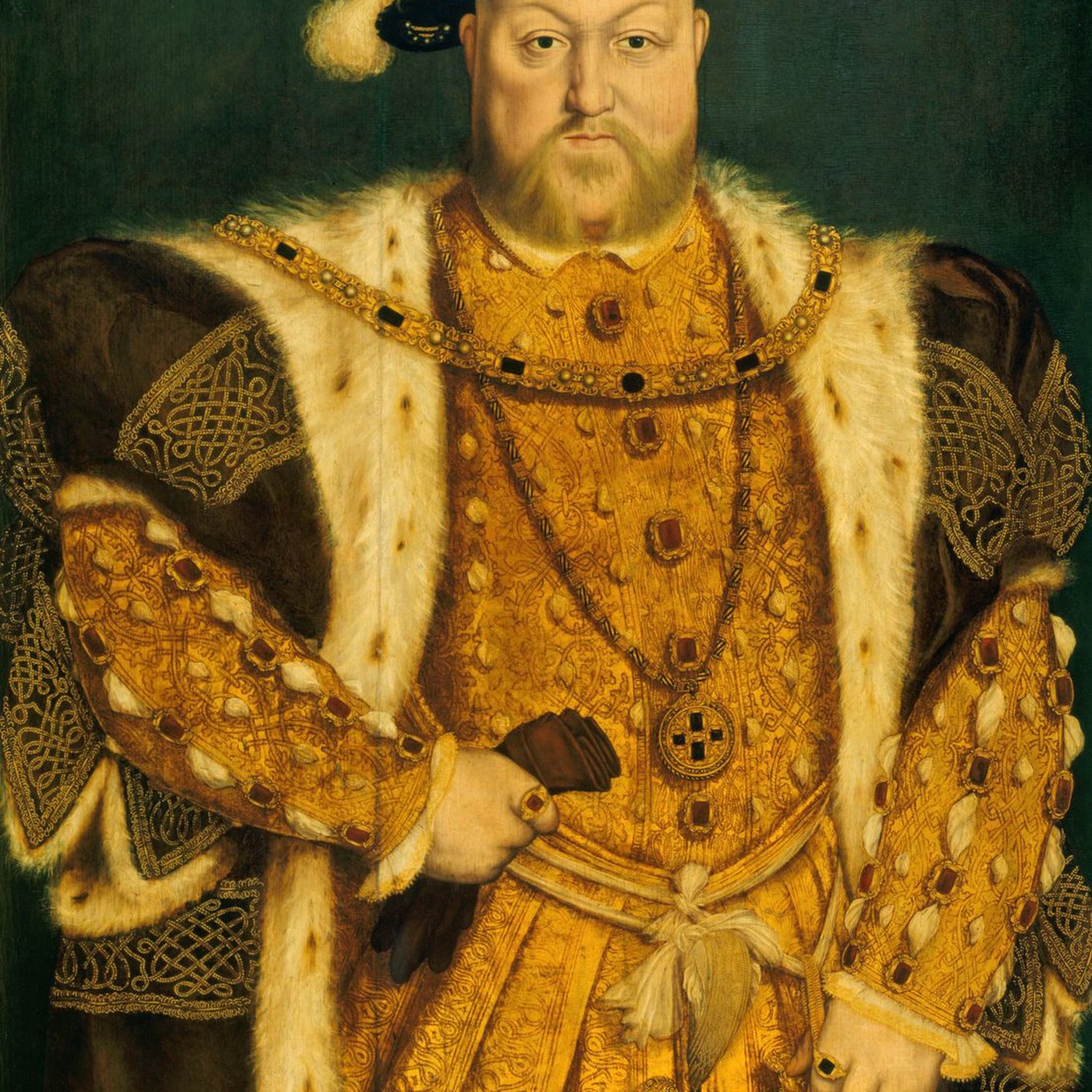
The English Reformation began in 16th-century England when the Church of England broke away first from the authority of the pope and bishops over the King and then from some doctrines and practices of the Catholic Church. These events were part of the wider European Reformation: various religious and political movements that affected both the practice of Christianity in Western and Central Europe and relations between church and state. Disputes between the Church and the Crown had a long history in England as in other areas of Europe, and what is known as the English Reformation initially had more of a political than a theological nature. In 1527, Henry VIII sought an annulment of his 24-year marriage to Catherine of Aragon but Pope Clement VII refused. In response, the Reformation Parliament (1529–1536) passed laws abolishing papal authority in England and declared Henry to be head of the Church of England. Final authority in doctrinal disputes now rested with the monarch. Though a religious traditionalist himself, Henry relied on Protestants to support and implement his religious agenda. Ideologically, the groundwork for the subsequent Reformation was laid by Renaissance humanists who believed that the Scriptures were the best source of Christian theology and criticised religious practices that they saw as superstitious. By 1520, Martin Luther's new ideas were known and debated in England, but Protestants were a religious minority and heretics under the law. The Church had often been politically powerful and was very wealthy. The dissolution of the monasteries and other seizures of ecclesiastical wealth during the English Reformation enriched the so-called Tudor kleptocracy. The theology and liturgy of the Church of England became markedly Protestant during the reign of Henry's son Edward VI (r. 1547–1553) largely along lines laid down by Archbishop Thomas Cranmer. Under Mary I (r. 1553–1558), Roman Catholicism was briefly restored. The Elizabethan Religious Settlement re-established the Church of England. Nevertheless, disputes over the structure, theology and worship of the Church of England continued for generations. The English Reformation concluded largely during the reign of Elizabeth I (r. 1558–1603) but some scholars refer to a Long Reformation stretching into the 17th and 18th centuries. This period includes the violent disputes over religion during the Stuart period, most famously the English Civil War, which resulted in the rule of Oliver Cromwell, a Puritan. After the Stuart Restoration and the Glorious Revolution, the Church of England remained the established church, but a number of nonconformist churches now existed whose members suffered various civil disabilities until these were removed many years later. A substantial but dwindling minority of people from the late-16th to early-19th centuries remained Catholics in England—their church organisation remained illegal until the Roman Catholic Relief Act 1829. Episode artwork: Artist: After Hans Holbein the Younger. License: Public domain. Content adapted from Wikipedia (https://en.wikipedia.org/wiki/English_Reformation), used under the Creative Commons Attribution-ShareAlike License.
Embed this episode
Ready to play
English Reformation
No transcript for this episode yet
Similar Episodes
No similar episodes found.
Similar Podcasts
No similar podcasts found.