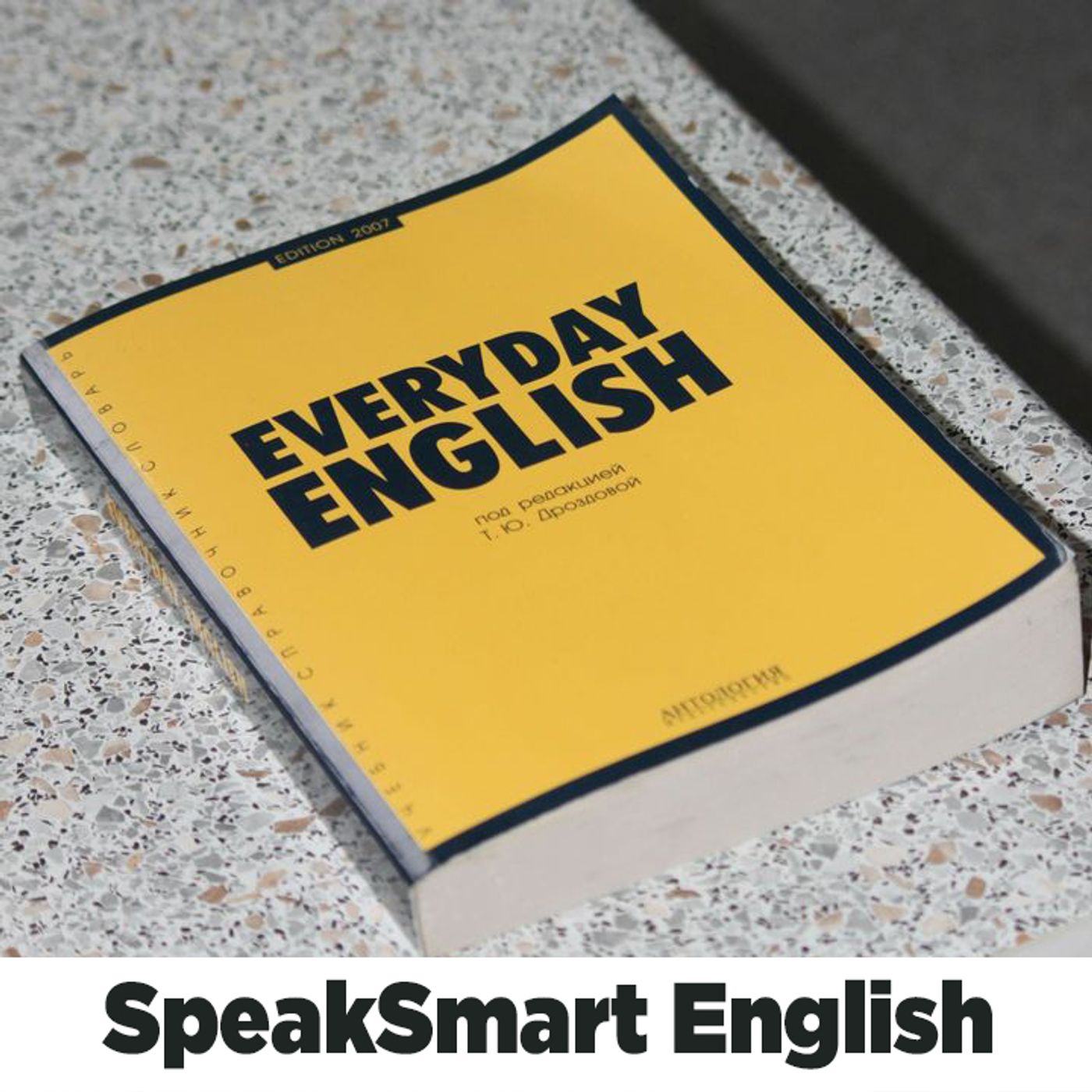
English Unleashed: 100 Daily Conversation Practice Starters episode artwork

EPISODE · Jun 14, 2026 · 31 MIN

English Unleashed: 100 Daily Conversation Practice Starters

from SpeakSmart English · host Norse Studio

This text serves as an interactive guide for practicing 100 short, natural questions and answers used in everyday English conversations. The learning method relies on "shadowing," a technique where learners listen to a question and answer, read the answer out loud, and then repeat it slowly to check and refine their pronunciation. The ultimate goal is to make these everyday exchanges feel completely natural through consistent repetition and real-life application.The conversational practice is structured into four practical, real-world categories:Small Talk and Daily Life This section covers foundational exchanges used to connect with others, starting with inquiries about a person's current state, such as whether they are busy, feeling tired, or recovering from an illness. It explores daily routines and habits, like cooking, taking the bus to work, watching television, waking up early, and exercising regularly. Additionally, it includes simple social questions about weekend plans, living situations, and hobbies such as playing sports or listening to music.Shopping and Eating Out Geared towards retail and dining environments, this category equips learners with the necessary phrasing to handle common transactions. For dining, it includes phrases for ordering specific food or drinks, deciding whether to take food to go, requesting indoor or outdoor seating, checking if a service charge is included, and splitting the bill. On the retail side, it provides questions and answers for navigating a store, such as asking for a bag or receipt, finding the changing rooms to try clothes on, checking if items are on sale, and confirming payment methods like using a card.Work and Phone Calls This section focuses on professional environments and telecommunications. It includes practical phrases for managing schedules and meetings, such as confirming attendance, asking if a coworker is free for a chat, or requesting to move a meeting to a different day. It also covers task-related communications, including sending files, taking notes, finishing presentations, or covering for a colleague. Furthermore, it provides essential phone etiquette, such as asking to call someone back, leaving a message, providing links to remote calls, or checking if the audio is clear.Travel and Social Situations Designed for navigating new places, this final category addresses transportation, accommodation, and general navigation. It features phrases for finding the nearest bus stop, checking if a train is heading to a specific destination, choosing between an aisle or window seat, and getting a taxi. For accommodations, it covers checking into a hotel, asking for help with luggage, and verifying if breakfast is included in the price. Socially, it helps individuals navigate situations like checking if a seat is taken, asking for directions to a museum, waiting for friends, or offering to take a photograph for someone.Become a supporter of this podcast: https://www.spreaker.com/podcast/speaksmart-english--6886546/support.

This text serves as an interactive guide for practicing 100 short, natural questions and answers used in everyday English conversations. The learning method relies on "shadowing," a technique where learners listen to a question and answer, read the answer out loud, and then repeat it slowly to check and refine their pronunciation. The ultimate goal is to make these everyday exchanges feel completely natural through consistent repetition and real-life application.The conversational practice is structured into four practical, real-world categories:Small Talk and Daily Life This section covers foundational exchanges used to connect with others, starting with inquiries about a person's current state, such as whether they are busy, feeling tired, or recovering from an illness. It explores daily routines and habits, like cooking, taking the bus to work, watching television, waking up early, and exercising regularly. Additionally, it includes simple social questions about weekend plans, living situations, and hobbies such as playing sports or listening to music.Shopping and Eating Out Geared towards retail and dining environments, this category equips learners with the necessary phrasing to handle common transactions. For dining, it includes phrases for ordering specific food or drinks, deciding whether to take food to go, requesting indoor or outdoor seating, checking if a service charge is included, and splitting the bill. On the retail side, it provides questions and answers for navigating a store, such as asking for a bag or receipt, finding the changing rooms to try clothes on, checking if items are on sale, and confirming payment methods like using a card.Work and Phone Calls This section focuses on professional environments and telecommunications. It includes practical phrases for managing schedules and meetings, such as confirming attendance, asking if a coworker is free for a chat, or requesting to move a meeting to a different day. It also covers task-related communications, including sending files, taking notes, finishing presentations, or covering for a colleague. Furthermore, it provides essential phone etiquette, such as asking to call someone back, leaving a message, providing links to remote calls, or checking if the audio is clear.Travel and Social Situations Designed for navigating new places, this final category addresses transportation, accommodation, and general navigation. It features phrases for finding the nearest bus stop, checking if a train is heading to a specific destination, choosing between an aisle or window seat, and getting a taxi. For accommodations, it covers checking into a hotel, asking for help with luggage, and verifying if breakfast is included in the price. Socially, it helps individuals navigate situations like checking if a seat is taken, asking for directions to a museum, waiting for friends, or offering to take a photograph for someone.Become a supporter of this podcast: https://www.spreaker.com/podcast/speaksmart-english--6886546/support.

NOW PLAYING

English Unleashed: 100 Daily Conversation Practice Starters

0:00 31:27

No transcript for this episode yet

We transcribe on demand. Request one and we'll notify you when it's ready — usually under 10 minutes.

Al-Quran In English Dr. Soha The complete Quran translation in English, Narrated by Dr. Soha. Hosted on Acast. See acast.com/privacy for more information. The Hobbit by J. R. R. Tolkien Audiobook Raghvendra Singh The journey through Middle-earth begins here with J.R.R. Tolkien's classic prelude to his Lord of the Rings trilogy.“A glorious account of a magnificent adventure, filled with suspense and seasoned with a quiet humor that is irresistible... All those, young or old, who love a fine adventurous tale, beautifully told, will take The Hobbit to their hearts.”—The New York Times Book Review"In a hole in the ground there lived a hobbit." So begins one of the most beloved and delightful tales in the English language—Tolkien's prelude to The Lord of the Rings. Set in the imaginary world of Middle-earth, at once a classic myth and a modern fairy tale, The Hobbit is one of literature's most enduring and well-loved novels.Bilbo Baggins is a hobbit who enjoys a comfortable, unambitious life, rarely traveling any farther than his pantry or cellar. But his contentment is disturbed when the wizard Gandalf and a company of dwarves arrive on his doorstep one day to whisk him away CLO Level 3 Lessons Chinese Learn Online (CLO) Learn Mandarin Chinese with our unique structured immersion course. Each lesson continues where the previous one left off. Level 1 lessons are conducted mainly in English. Later levels in the course will be conducted in Chinese that was taught in earlier levels. Learn English with the British Council and Premier League Jack Radford

Frequently Asked Questions

How long is this episode of SpeakSmart English?

This episode is 31 minutes long.

When was this SpeakSmart English episode published?

This episode was published on June 14, 2026.

What is this episode about?

This text serves as an interactive guide for practicing 100 short, natural questions and answers used in everyday English conversations. The learning method relies on "shadowing," a technique where learners listen to a question and answer, read the...

Can I download this SpeakSmart English episode?

Yes, you can download this episode by clicking the download button on the episode player, or subscribe to the podcast in your preferred podcast app for automatic downloads.
URL copied to clipboard!