
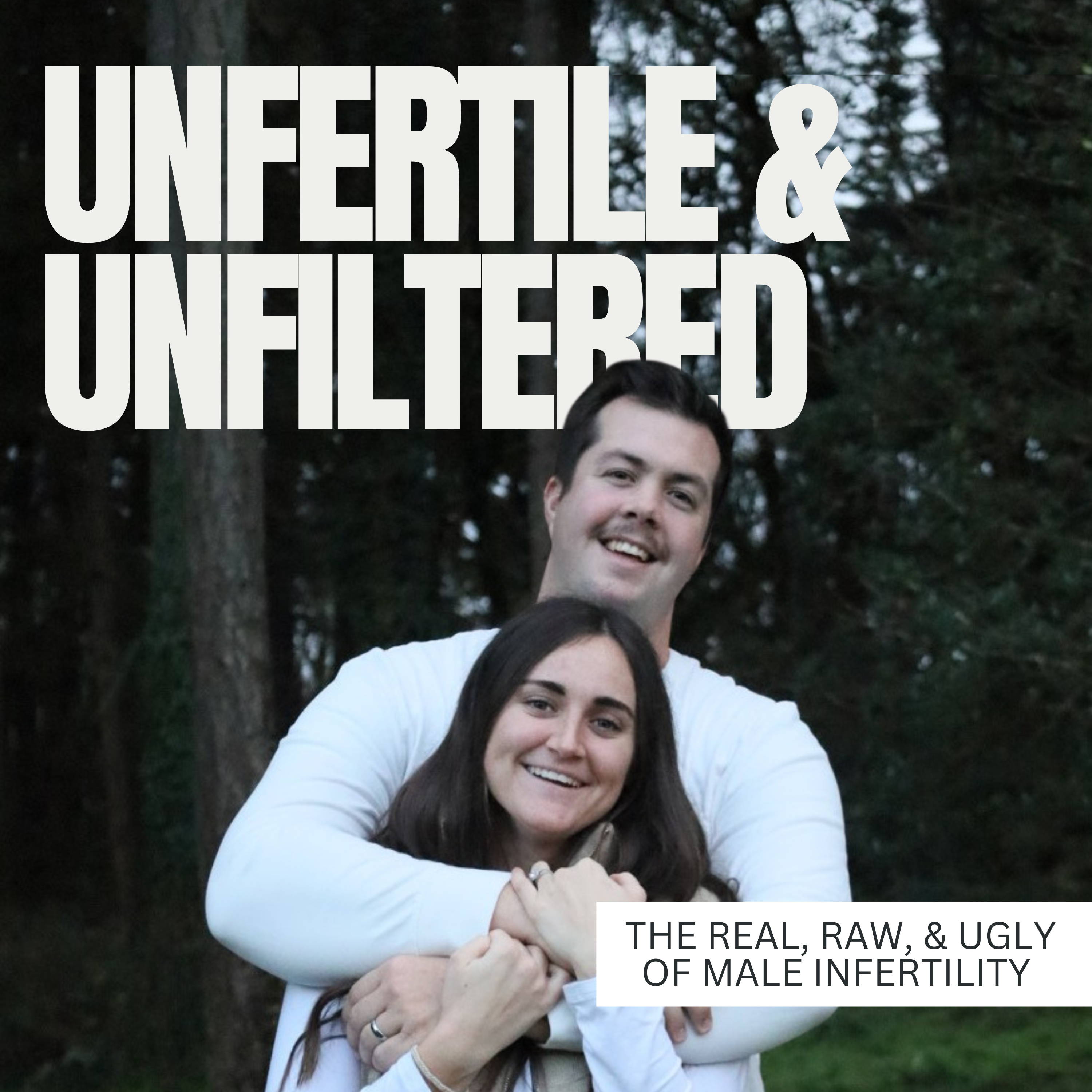
EPISODE · May 11, 2026 · 36 MIN
Ep 16 Breaking Down "Three Makes Baby": What We Learned About Building a Donor-Concieved Family (Updated Podcast)
from Unfertile & Unfiltered · host Sidney Hales Davis
In this episode, we’re breaking down the book Three Makes Baby: How to Parent Your Donor-Conceived Child by Jana M. Rupnow and sharing our honest thoughts after reading it.If you’re navigating male factor infertility, azoospermia, or considering building a family through donor conception, this book is one of the most comprehensive resources we’ve come across. It focuses less on the medical side and more on the emotional, psychological, and identity aspects of raising a donor-conceived child.In this episode, we walk through what the book actually covers, including:The emotional weight of infertility and how to process it as a parentWhether or not to tell your child they are donor-conceived—and why openness is now widely recommendedCommon fears like feeling like a “real” parent, bonding concerns, and fear of rejectionSocial stigma, family dynamics, and how to handle difficult conversationsHow to choose a sperm donor (anonymous vs. open ID, identity considerations, future contact)When and how to talk to your child about their story—from early childhood through teenage yearsHow to navigate identity, half-siblings, and the possibility of meeting a donorAnd one of the biggest takeaways: how to hold both grief and gratitude at the same timeWe also share our personal reactions to the exercises in the book—especially the ones that helped us uncover emotions we didn’t even realize we were feeling.If you’re at the beginning of your donor conception journey or trying to understand what it really looks like to raise a donor-conceived family, this episode gives you a straightforward, unfiltered overview of what this book teaches and why it might be worth reading.For reference, this is a breakdown of what the chapters cover: Introduction: An Emotional DecisionChapter 1: Are You Ready to Tell?Explore Your ReasonsChapter 2: Why Tell?Get ComfortableExperts Say DiscloseTelling Is HealthySecrets Aren’t the Best ProtectionChapter 3: How to adddress the most common concerns about donor conception? Concern #1 Emotional Distress:What If My Child Is Upset?Complicated GriefDistinguish Your Feelings from Your Child’sConcern #2: Parental Legitimacy Parent-Child AttachmentBroken BondsConcern #3 Social Differences Social StrainSocial StrategyPrivacy vs. SecrecyConfronting ShameEmbracing DifferencesConcern #4 Family/Cultural Differences Acclimating to New FamilyChapter 4: Choosing a DonorConnecting to Your DonorDonor Profile Selection Process Anonymity Not GuaranteedThe internet is a resourceSocial media influence Donor Regulation Self-Report Psychological Testing Known DonationPreparing for known donation Embryo Adoption vs. Embryo DonationFuture Contact PotentialGenetic WonderEpigenetic InfluencesChapter 5: when and how to talk about itWhen Is the Right Time to Tell?Talking over the Years—Make It Your StoryShifting from your story to your child's Baby years Preschool years Middle-childhood years Teenage years - Finding Identity and Meaning How to talk about half siblings how to talk about griefFive Ways to Handle Social Situations: The Five DsChapter 6 - Finding treasure Book link: Three Makes Baby
What this episode covers
In this episode, we’re breaking down the book Three Makes Baby: How to Parent Your Donor-Conceived Child by Jana M. Rupnow and sharing our honest thoughts after reading it.If you’re navigating male factor infertility, azoospermia, or considering building a family through donor conception, this book is one of the most comprehensive resources we’ve come across. It focuses less on the medical side and more on the emotional, psychological, and identity aspects of raising a donor-conceived child.In this episode, we walk through what the book actually covers, including:The emotional weight of infertility and how to process it as a parentWhether or not to tell your child they are donor-conceived—and why openness is now widely recommendedCommon fears like feeling like a “real” parent, bonding concerns, and fear of rejectionSocial stigma, family dynamics, and how to handle difficult conversationsHow to choose a sperm donor (anonymous vs. open ID, identity considerations, future contact)When and how to talk to your child about their story—from early childhood through teenage yearsHow to navigate identity, half-siblings, and the possibility of meeting a donorAnd one of the biggest takeaways: how to hold both grief and gratitude at the same timeWe also share our personal reactions to the exercises in the book—especially the ones that helped us uncover emotions we didn’t even realize we were feeling.If you’re at the beginning of your donor conception journey or trying to understand what it really looks like to raise a donor-conceived family, this episode gives you a straightforward, unfiltered overview of what this book teaches and why it might be worth reading.For reference, this is a breakdown of what the chapters cover: Introduction: An Emotional DecisionChapter 1: Are You Ready to Tell?Explore Your ReasonsChapter 2: Why Tell?Get ComfortableExperts Say DiscloseTelling Is HealthySecrets Aren’t the Best ProtectionChapter 3: How to adddress the most common concerns about donor conception? Concern #1 Emotional Distress:What If My Child Is Upset?Complicated GriefDistinguish Your Feelings from Your Child’sConcern #2: Parental Legitimacy Parent-Child AttachmentBroken BondsConcern #3 Social Differences Social StrainSocial StrategyPrivacy vs. SecrecyConfronting ShameEmbracing DifferencesConcern #4 Family/Cultural Differences Acclimating to New FamilyChapter 4: Choosing a DonorConnecting to Your DonorDonor Profile Selection Process Anonymity Not GuaranteedThe internet is a resourceSocial media influence Donor Regulation Self-Report Psychological Testing Known DonationPreparing for known donation Embryo Adoption vs. Embryo DonationFuture Contact PotentialGenetic WonderEpigenetic InfluencesChapter 5: when and how to talk about itWhen Is the Right Time to Tell?Talking over the Years—Make It Your StoryShifting from your story to your child's Baby years Preschool years Middle-childhood years Teenage years - Finding Identity and Meaning How to talk about half siblings how to talk about griefFive Ways to Handle Social Situations: The Five DsChapter 6 - Finding treasure Book link: Three Makes Baby
NOW PLAYING
Ep 16 Breaking Down "Three Makes Baby": What We Learned About Building a Donor-Concieved Family (Updated Podcast)
No transcript for this episode yet
Similar Episodes
No similar episodes found.
Similar Podcasts
No similar podcasts found.