
EPISODE · May 6, 2021 · 34 MIN
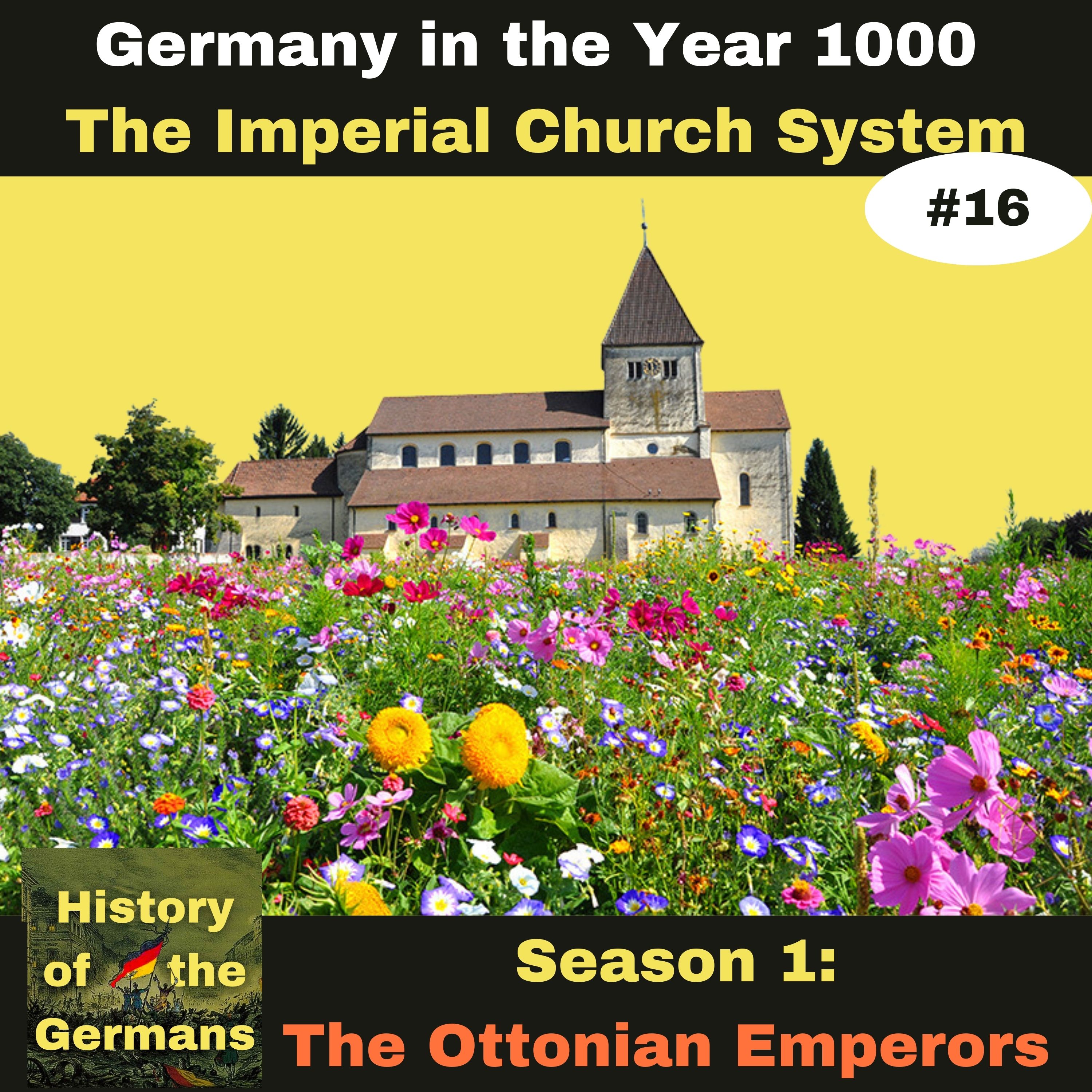
Ep. 16: Germany in the year 1000 - The Imperial Church System
This is part 2 of our rundown of the economic and social situation in Germany around the year 1000. The third and highest social strata were the "Oratores", those who pray, the priests, monks and bishops. We look at how a village priest is educated, why monasteries became so rich (spoiler, it is not about piety alone, money is key) and the role of bishops in the Imperial Church System that made the German emperors the most powerful rulers in Western Europe in the 10th and 11th century. How does an emperor rule in the absence of bureaucracy, how much tax matters and why there is no tax in Germany but there is tax in England, why the Normans were more successful in their theocratic leadership approach and how you become emperor....again lots to get through but fun.The music for the show is Flute Sonata in E-flat major, H.545 by Carl Phillip Emmanuel Bach (or some claim it as BWV 1031 Johann Sebastian Bach) performed and arranged by Michel Rondeau under Common Creative Licence 3.0.As always:Homepage with maps, photos, transcripts and blog: www.historyofthegermans.comIf you wish to support the show go to: Support • History of the Germans PodcastFor do it yourself merchandise go to: Merchandise • History of the Germans PodcastFacebook: @HOTGPod Threads: @history_of_the_germans_podcastBluesky: @hotgpod.bsky.socialInstagram: history_of_the_germansTwitter: @germanshistoryTo make it easier for you to share the podcast, I have created separate playlists for some of the seasons that are set up as individual podcasts. they have the exact same episodes as in the History of the Germans, but they may be a helpful device for those who want to concentrate on only one season.So far I have:The OttoniansSalian Emperors and Investiture ControversyFredrick Barbarossa and Early HohenstaufenFrederick II Stupor MundiSaxony and Eastward ExpansionThe Hanseatic LeagueThe Teutonic KnightsThe Holy Roman Empire 1250-1356The Reformation before the ReformationThe Empire in the 15th centuryThe Fall and Rise of the Habsburgs
Embed this episode
What this episode covers
This is part 2 of our rundown of the economic and social situation in Germany around the year 1000. The third and highest social strata were the "Oratores", those who pray, the priests, monks and bishops. We look at how a village priest is educated, why monasteries became so rich (spoiler, it is not about piety alone, money is key) and the role of bishops in the Imperial Church System that made the German emperors the most powerful rulers in Western Europe in the 10th and 11th century. How does an emperor rule in the absence of bureaucracy, how much tax matters and why there is no tax in Germany but there is tax in England, why the Normans were more successful in their theocratic leadership approach and how you become emperor....again lots to get through but fun.
NOW PLAYING
Ep. 16: Germany in the year 1000 - The Imperial Church System
No transcript for this episode yet
Similar Episodes
No similar episodes found.
Similar Podcasts
No similar podcasts found.