I remember the incident that we're probably going to get into, but I'm not an incident. I know it just sounds so... CD. Hello, and welcome to WNC Original Music, episode 165, the Bus I wrote in middle school edition.
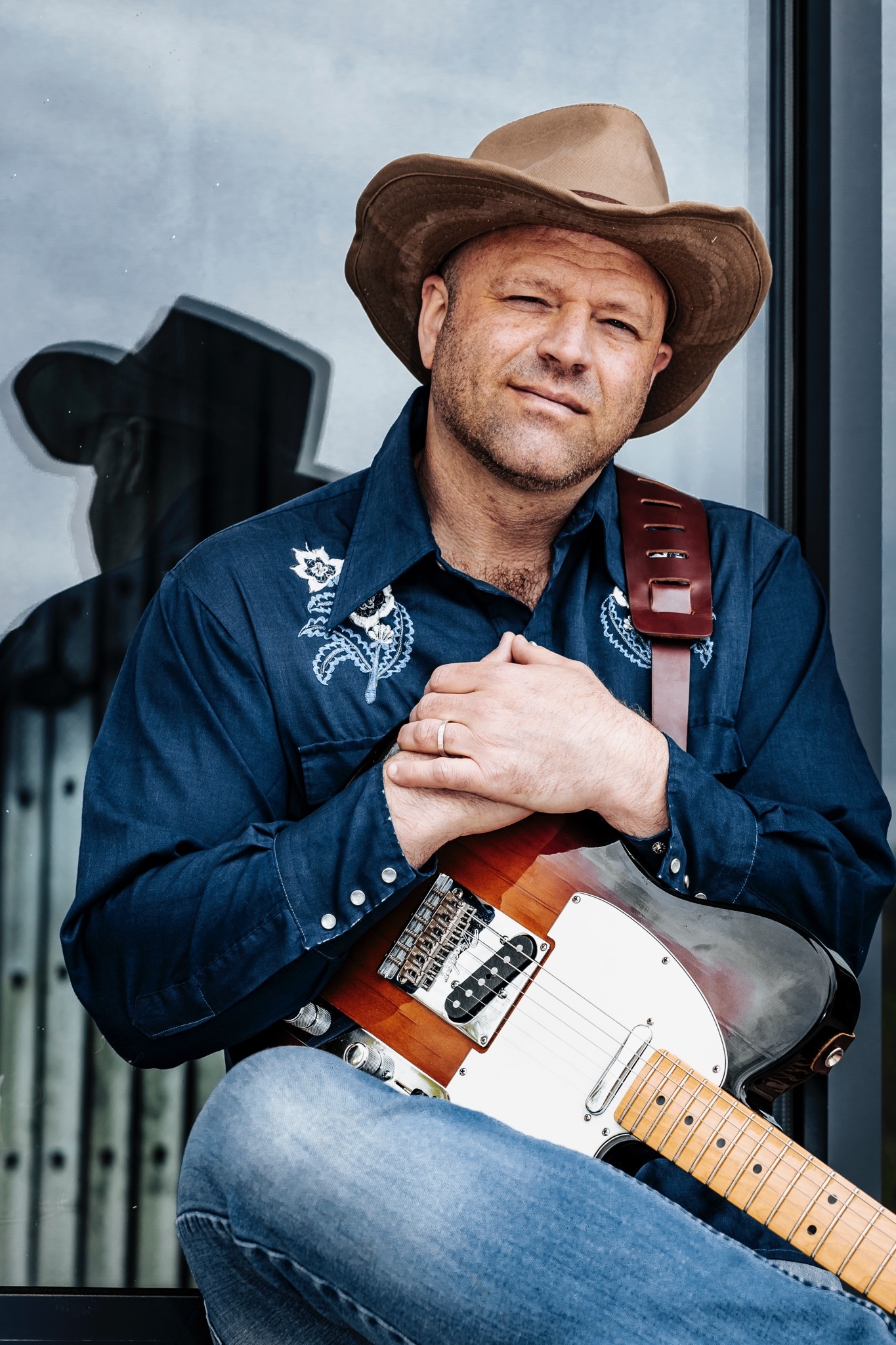
This week is a very special episode for a couple of different reasons. First, the main guest is Taylor Maxson, a good friend, and former collaborator, still a occasional collaborator, and we're going to be talking about a lot of his songs, and also one that I helped collaborate on a little bit, so very excited about that, but also talking about his other stuff. And also this will be the first episode with regular music reviews from Allison Price. Allison's going to be joining the podcast as a regular music reviewer.
She's going to be listening to albums and giving her a very insightful input on them, so very happy to have Allison on board. Taylor Maxson is a singer-songwriter from Asheville. His influences include Jeff Tweety, Wilco, The Silver Juice, and many other bands, but he has his own unique sound, both through his songwriting and his, I think, wonderful voice. I think he will, too.
Here is Taylor Maxson. Yeah, do you remember this? I came to you to a certain friend of ours, Emily Spring, and I guess it was just like a dream, and here's the thing, and I played it, you know, which is again, like, has that happened to you? Yeah.
Yeah. Where you're like, there's lyrics and melodies, like, just came right from nowhere, speaking of the subconscious, where the hell else could that come from? Yeah. So that's what that was, and then I think I had a verse, and then you and I sat at your house at one point and kind of hammered out what exactly is this song about?
Yeah. Yeah. And it turned out, in the end, that I think, my wife pointed this out, actually. This was written kind of smack dab in the period when we were working on adoption, and I think it's like a, it's a song to the little girl that I might father.
I think that's the first thing you told me. You said, I have some ideas, but the main thing is, it's me talking to this little girl. So I was aware of it. I think it's my, I think, like, somebody you talked over, we talked about it.
That's the first thing you told me, and everything else came out of that. Yeah, and it's kind of, it's a fun song. It's like, almost like it's like a girl power song. Yeah.
Like, we're a 40, I was like, 31, we're a 41 year old man. Right. Does that. But I kind of like the idea of breaking stereotypes and just, you know, whatever, just listening to what comes to me, not necessarily having feeling like it has to fit a category.
Whatever. It had to, the, the, the, the, both the core structure and the rhythm was different, not just different for you, but kind of a, like, I don't know that I could like pin it down to a, um, the genre or rhythm that I heard before. So it kind of fits that it maybe came out of a dream without kind of being your, the way you would routinely do something. That's interesting.
Yeah. Yeah. I don't know. I thought it sounded a little bit like the black keys or something.
Like, if you're like, like, maybe not the acoustic version, but I think in my head, I was like imagining a black key song. Are you familiar with the work? Yeah. Yeah.
I would never have. I could hear that connection. Yeah. I know it seems odd, but I could hear it being done on like keyboard or maybe I'll, I mean, of course that's the, listen to some black keys and just, I was thinking maybe on this episode, I mean, I have the, I'll see a version we did.
Oh, yeah. That's right. Cool. That's so fun.
Not like you are. Yeah. Yeah. I actually really like that song.
I think is it just a well constructed song. It's weird. It doesn't really have a chorus. It just kind of unfolds.
And, and see now there you go. That's definitely me. I liked further back than like going far back. I always liked, I mean, I'm not like, I was definitely not in like an avant garde type of kid, but I liked, I both appreciated classical song form, like traditional song form like Dylan and Beatles and that type of stuff.
But also like John Fehe and like weird like guitar stuff. And again, like Windham Hill and stuff that like, it's almost again more like classical or there's repeating motifs and stuff, but then sometimes songs just unfold. Right. And then later I again, bringing up Wilco again.
Like I saw that in like Yankee Hotel Faux Tra. Which is like still a really traditional song form, but also broken and fragmented a little bit. Yeah. Not like crazy.
Just fragmented a little bit. Right. And that, that's always spoken to me. I've always, so I think that song is inspired, not specifically by Wilco, but just by, I don't know, I like fractured things.
And I think that wouldn't speak to everybody. I think, like I played that for my brother and he's like, I don't get it. I just don't get it. Okay.
You don't have to get it. It's fine. He didn't like he. I think he was saying, Hey, you should, you need to verse and of course and of course and of course and of course and then doing outro.
Like that's what makes sense to me. Yeah. And that's, I get that. I totally get that.
But I mean something like, um, is it like maybe the most, maybe more commenting is, um, is the queen song opera, you know, whatever that's a bad memory for that, for like, um, you know, some old-time lightning. Yeah, yeah, yeah. I mean, that song is all over the place. It goes, I mean, way more than this one.
Yeah. And it's a huge. Totally. So, you know, that's right.
They even say this in the movie. They were like, you're effing crazy. Right. I mean, never.
Yeah. I'm sure there's resistance. Yeah. I mean, there's resistance.
Like it's almost, that song is almost, um, it's almost a curiosity, uh, because like when you hear that, that's actually what draws you in because it starts off so weird. The, the opera, the part is, is so weird. Like it's not just that it's different, that it doesn't have a structure. It's that it's so unstructured that lack of structure that chaos there draws you in where you're like, are they freaking singing opera?
Yeah. Turn that up a little bit. Yeah. Right.
So, um, I'm glad you're pointing that out because there was like electric light orchestra. There were bands in the 70s that were, and probably in the 60s and even before who were doing this stuff. Yeah. Like they were breaking open the song form and, um, kind of doing it their own way and exploding the idea that it has to have a rigid, bulk structure, et cetera.
Yeah. Yeah. So, and I think maybe that's why like, I think I, and then what I started to do is I got a little older, like I was writing songs again in my teens and 20s. They were freaking weird.
Like I said, based on like John Faehy and like weird out tunings and I'd play him and open mics and people would be like, uh, uh, yeah. Like, well, you're a great musician. Yeah. I just don't think it made any sense.
I mean, there's songs you're going to get the first time and there's songs you're going to get the 20th time, which you're going to love and more. Totally. Like, uh, and like with, um, again, back to the queen song, which is, I guess, nameless. Um, it's funny.
We both, I don't want to be too much energy into thinking about the title at this moment. I do. I'm, but I'm not. I'm not actually proud of what we get to do.
Uh, but you know, Wayne's world like revived that song. Yeah. Um, and, and it became like a single, and that's part of it. It's a sing along song.
Yeah. It has a sing along part and it has, you know, parts that are definitely not. I would never have actually put where you go in in the same conversation with song. Yeah.
I think they're equally good. I think they're, I think they're, I'm going to take just 10 seconds and see if I remember. But he never, I don't think ever says the name. Right?
It's like, you come on, he's going to go, let me just do it. I'm going to go. I'm going to go. What does it say that we can't think of the title, but we could name every lyric until, you know, Darren there, and the title doesn't matter.
I think it's got evil things. I think that's awesome. I think you might be right. Oh my God.
It's right. And that little boy builds a tower. The moon. Yeah.
Seven Now forward is, man, it's simple to get. I wanted a song that had a pretty traditional flop structure. I saw that we were driving back and forth to Roanup, Virginia, where my dad lives a bunch on 81, and anybody who's done that drive, it's a beautiful drive, has seen the signs for 7 Mile Forward, which is just an exit. And that town, actually, there's a town near it.
That's a total burnt out post-industrial town. What is it? All right. You know what's funny, too?
It's the name of the movie. Oh, Jesus. It's what he means. It just had to.
So on 81, there's a couple of exits where you see these burnt out railroad towns that were lost to the economy in probably the 60s or 70s, and they're just kind of withered. And there's a couple of those towns that are wedged perfectly off the highway off 81 between the railroad and the highway. And it's just this wedge of land that's like trailer parks and grocery stores and bars, like cheap country bar type places. And then one little section of nice houses, and then a lot of strip mall.
It's just sad looking American town. And it's almost like you're looking at it almost like it's like the Game of Thrones introduction, where you're looking above the, you know? It's like you're getting this everybody's. Get a bird's-eye view.
Yeah, you got this bird's-eye view, so it's this weird public spectacle. And nothing against Seven Mile Ford. In fact, I think it's one of the nicer towns. But I just use it because the Seven Mile Ford and the ring to it.
But it's a couple of towns close to Seven Mile Ford, a little further back on the highway that have that. That's another thing. Like once you had that title, that could be a song about somebody who got killed in Seven Mile Ford. That is true.
Drowned. The whole town could have been washed away in a flood. Yeah, yeah, totally. That's right.
And I make it deliberately vague. It's more scenic. So it's like it drops in on a guy. It just drops right in.
It's like the town. Sometimes get the best of it, raising all boats when the tide hits. This one here is a testament to how in time a dream gets bent. This man seen his bad backs, Smucker's Coughs in heart attacks.
A cooler and rusty Pontiac somehow he still comes and goes. I like the idea of like dropping on the, I want to see the rusty Pontiac. What's in the cooler? You know, Miller Light, of course.
This guy's had several heart attacks, drinking beer, he's still going to work somehow. It's just in its own. And then the next one moves on to, you know, it's like, then it kind of generalizes to the town and it zooms in on a woman and a, you know, like a clerk in the pharmacy who's scratching off, you know, lottery tickets. And it's just that's, I'm interested in, I'm interested in vignette.
And this is why I love Jason Isville. He's a great, he's a great songwriter who does this really well. Very inspiring. Kind of a, almost a short story writer, right songs.
Yeah, he cuts out a piece of a place. Yes. And cuts out a piece of time or a link the time there. Exactly.
Yeah. And it's like, and you really in it, and you can feel that, it's in place. I love that kind of stuff. So lots of other people do that.
Oh yeah. And where is that place? It's, it's on, it's in Virginia on off 81, uh, kind of not far from rural retreat, kind of north of there. Not too far.
A few hours from here. More from Taylor in just a few moments. Want to remind you that you can find Taylor at TaylorMaxing.bancamp.com also search for him on Spotify and all the other streaming services. And we'll have other links in these show notes.
Make sure to subscribe to the podcast, wherever you get your podcasts. Look for WNC original music or go to wncoriginalmusic.com or just google wnc original music. It's something weird comes up there. Just send me a note about that.
Before we do this first review from Allison Price and this new segment, I want to take a little bit about her. She is a singer songwriter and actor, a model and illustrator. She's now based in Atlanta, Georgia. Although she, when I met her, she was in Ashwin, North Carolina.
And she still comes back here occasionally. We'll have links in the show notes to follow her on social media and her mini endeavors. And here is her first review. Thank you for listening to WNC original music.
My name is Allison Prites. I'm happy to announce the first review of an album that was submitted to us. Today we're reviewing the album, Buzz of Beads, by Stephen Evans and the True Grits. Reminiscent of the American Beauty era sound of the Grateful Dead, the newest album released from Stephen Evans and the True Grits is a sunny, warm listen.
Buzz of Beads includes 12 original songs and the Ashwin North Carolina-based folk rock group manages to include a rich and diverse instrumentation throughout the album. One of the standout tracks, Winning the Day, features lyrics that explore the possibility of past lives and returning to where you came from over and over again. This introspective focus for the poetry appears on each song as he listens through Buzz of Beads. I truly enjoyed the references to nature and the heartbeat of the wilderness that exists even within the smallest things.
To look away, flounder head. Another aspect of this album stood out was the intricate instrumentation with influences of bluegrass, country and indie roots rock elements. Several songs such as Philagree and Estephania record great beautiful fiddle lines and world music elements which are refreshing additions to the overall landscape of the album. My only critique of Buzz of Beads would be that I wish the vocals had been more prominent so I could hear the lyrics interacting with the instrumentation more deeply.
But overall I highly recommend this album for those who enjoy full crock poetic lyricism and an engaging sense of fun. The album is a journey through different stages of life, confusion, heartache, revelation and acceptance. And I think it would be perfectly paired with a sunny summer day outdoors. It was something delicious to eat or drink to accompany you on the path.
This is Jesse from The Get Right Band, you're listening to WNC Original Music. This is fun and I played this because it's fun because we have to have inputs. I think some people are lightning rods for poets and songwriters who do can, even they have inputs. But I think it can be really improvisational for some people.
It just comes and it's more like just right out of their mood. That would be like Sharon Vennetton who's, I don't know if you've listened to her or something. But I think she sits in her kitchen, no she's like, oh she's in her kitchen and it just comes to her. And that kind of female voice.
We probably got to have the story wrong because it's changed so much. An example of a lot of guitarist or people who write songs but who start as guitarist will get this. Sometimes you just get a melody out of the guitar line and that just takes over and becomes the melodic through line. That's what happened.
That's only just how the main engine of the song is sort of that. I think I started doing it on the guitar at the same time. I was just a guitar melody. I was like, oh, Lucy, I'll write a song about a song I'd imagine in the country genre.
I could see it being sung by a woman actually. I might have even thought I was writing it for a friend at the time. I don't remember. But it was one of the things I have this title I wanted to be about Lucy.
So who is she and why? Who's talking about her? And then it became you start asking questions and each question leads to the next thing. It's like who's talking about her?
This character is a little dangerous. Maybe he's a stalker. How is he interacted with her? What is he looking for?
How is she? That kind of thing. My wife hates that song. She's awful.
She doesn't think it's bad song. She thinks it's scary. It's not like it comes from some designer's stock people. I remember talking about how far should it go?
Should it become dangerous? Or should it be pleasantly annoying? Or should it be somehow endearing? Or should it go really dark?
Because I was writing it around the time we were all playing it. That's true. So it went dark. Because ultimately that last chorus was like through the window staring at you.
But it was still not like it's a suggestion of danger but not necessarily. I remember we played it somewhere. I can't quite remember where we played it. But it was right around the time there was that scandal in Ashville with the guys who won't do it.
I think they won the bar. Or maybe a restaurant. Or coffee shop. I'm just going to use it.
And they were like French with those douchebags. Yeah. And so we were like is it too close to that? You know, but I mean it wasn't.
But I think we played it one time you said something about this. This was written a long time ago. It's not these guys. I'm hoping that my Girl Power song and undiscovered with its female protagonist cancels out the list.
When you throw it down and put Lucy first, then it's like the arc is a positive arc. Well, when there's a whole other stuff right there, you say somewhat cajolingly when you put it on the album. It's like I actually did record it in a bunch of other songs in the studio. And here again, it's like that tendency to quickly want to be one and see other shiny things.
So I really would actually like to, I mean the stage records albums don't mean much. At this point, I don't find streaming a very appealing medium. I mean, it's easy to, it's gonna sound really snobby really fast. I don't want to sound snobby, but this is how I feel.
And it's just how it is now. But I really am one of those people. Maybe it's being in the 40s that a lot of people is very sentimental about records and about vinyl records and about a whole complete product and a whole interactive experience with a piece of art that's also music and that stuff I love. So I got less excited.
I was like, well, I could do a CD, but then where am I doing it? Like where am I playing it? Like I mean, and I think that like there's this whole question of what's the, I've heard another songwriter really like, Sophia and Stephen's, who's one of my favorite contemporary kind of folk in the mode of the folk songwriter who also has broken that and some really interesting things too. He talks a lot about how he's, he's at a point where he's like, I don't know that I want to produce any more music for people.
And it doesn't make it a lot. No, he's very few and far between. And you tell his last record was grief about a death of his mother. It's so personal.
I don't think he can help himself. I think he does it because it's therapy. He said, I don't consider my music art. I just thought that's weird.
Like God, so art is such an artist. Yeah. But for him, it's like it's, it's more like it just comes out in, I think almost more like a religious, you know, he has a very religious kind of life. It almost comes out more as like a religious, like a gospel, I think for him.
And if it comes, it comes. And I mean, the way I'm not comparing myself to him, but I'm saying I've heard him speak about himself to Jesus. Okay, maybe he has a sweet, lyrical voice. Mine's a little not quite a sweet, lyrical.
But in any case, I thought it was interesting what he said. He was like, I'm at this place where I've made all these songs and made all this music for the public. And he's very satisfying for me. He doesn't feel really fulfilled.
Like he really accomplished a lot. I just think it's interesting because what is it like, do we have to have an audience and play you tour? And I mean, like a lot of us just sort of lumber away in our little studio rooms, right? I like this.
Let's keep the explosions in there. Are those zombies out there? Is that a human leg? They're unloading literally unloading big pieces of metal.
But anyway, so I mean, there's a lot of people who do that who, you know, they work full time jobs and they put out music. I mean, they have streaming music. And they are not just not inclined to, because there's a amount of work and a amount you have put up with that maybe depending either on your personality or your station in life, not station. Like you're not good enough.
But like where you are in life is you're like, here's what I will do. And then here's what I don't want to do. And it would be great if somebody gave me this, you know, up higher for this. But I'm not going to do the stuff in between.
Yeah. And really, you're keening it on. And there's a lot of it's ambition in work. You have to have that kind of personality and that attitude.
And it's usually the people who are talented, but also put in a lot of ambitious and a lot of work. There are a few true geniuses to me like in music who just like they're just in a league of their own and they're just, and even them, a lot of them aren't really, I think of people like Jim Overwork who, I don't know if you know much about him, but he's like songwriter and producer, he's a good boxer. They always own really weird cool music. And there are people like that.
But I don't see myself that way at all. I just, I'm not very ambitious, but I do love music and I do actually like performing. I'm getting closer to a place where I'm really getting comfortable with it. Like I don't think I would have been comfortable doing this five years ago.
But the, I would say that like rooted in social anxiety and performance anxiety, I just, I was so uncomfortable with putting it out there. Yeah. I know a lot of songwriters feel this way. Even people who are professional performance, I'm just starting with it.
Yeah. So. Okay, I want to thank Taylor for being on the podcast. That's part three.
Make sure to go back and listen to part one and part two with Taylor, all equally interesting and entertaining. You can find him at TaylorMaxin.bandcamp.com and also search TaylorMaxin on Spotify and all the streaming channel and probably not Netflix, honestly. Also want to thank Allison Price for joining the team and doing these reviews. I was really looking forward to what she's got coming.
So you can see a lot of stuff with that. Email to send in your album to be reviewed. Do not, do not forget to subscribe to the podcast. Wherever you get your podcast, it just starts WNC original music.
And for the closing song this week, I'm actually going to reach back a little bit to the first song in this episode. And this is going to be the studio version that Taylor and Emily Spring and I did for the song, Where Are You Going? I hope you enjoy it. Have a good week.