
EPISODE · Sep 21, 2026 · 24 MIN
Ep 22 Special Guest Interview
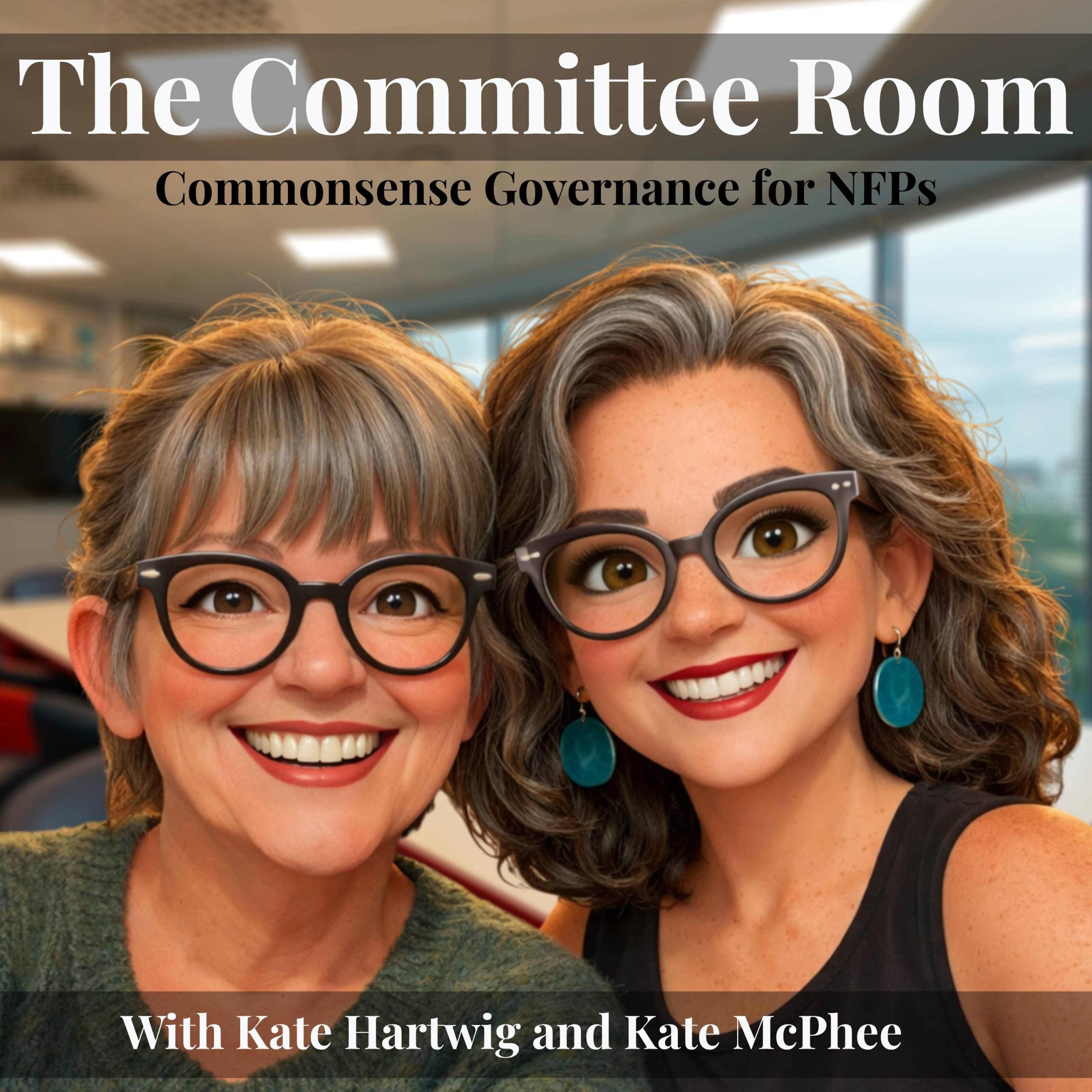
from The Committee Room · host Kate Hartwig + Kate McPhee
Whether you're managing a disciplinary matter, responding to a member complaint, or making a decision that affects someone's membership, the principles of natural justice apply — whether your Constitution mentions them or not. In this episode, a recently retired Magistrate explains what natural justice actually requires, why it's the process not the decision that determines whether you've got it right, and when to stop trying to handle it yourself and call for help. About Our Guest Maria is a recently retired South Australian Magistrate with 23 years on the bench, preceded by many years at the Crown Solicitor's Office. She is also Kate H's best gal pal from law school, back about a million years ago. This is her first podcast appearance — and we hope not her last. In This Episode What natural justice is — and the difference between natural justice and procedural fairness (spoiler: one is the what, the other is the how) Why the obligation to follow natural justice applies to not-for-profit organisations whether their Constitution mentions it or not The two core requirements: the person must know what they're accused of, and they must have a genuine opportunity to respond Why winning or losing is not the measure of whether natural justice has been done — it's how you got to the result Impartiality in small organisations where everyone knows everyone — and what to do when there's no one left who isn't conflicted Conflicts of interest in disciplinary processes — when to declare and step down, and when consent can keep you in the room When a matter is serious enough to call the police — and why you should never try to investigate criminal conduct yourself Record keeping as a natural justice tool — why the minutes become the document of truth and careless minutes can undo an otherwise proper process Whether to record formal hearings — and when a recording is essential Can you have a do-over? Yes — but the process for getting there must be correct Disputes between members — when the organisation must get involved and when it is entitled to say this is a personal matter Why committees exist in perpetual succession — and why documented processes matter more than the people currently sitting around the table The one thing Maria wishes every committee member understood: you're not there to run your personal fiefdom, you're there for the greater good This Week's Challenge Does your organisation have a documented disciplinary or complaints process? If not — or if what you have is buried in a constitution clause that nobody can find — that's worth putting on the next agenda. You don't need a legal document. You need a clear, plain-English process that any committee member can follow. The companion documents we covered in Episode 20 are the right place for this. And if something is already in motion that you're not sure how to handle — get advice early. As Maria says: you don't buy a dog and then do the barking yourself. Got a Question for the Kates? Use the contact form at thecommitteeroom.com.au. Your question might be the next one answered on air — or the inspiration for another special guest episode. About Your Hosts Kate Hartwig has spent forty years working in and around not-for-profit and membership organisations — as a CEO, director, and independent consultant. Her Committee Companion is a head start on good governance with checklists, frameworks and exemplars for committee members. katehartwig.com.au Kate McPhee has three decades of hands-on experience helping small clubs and associations get more done with less stress. She is the author of Just a Tick, a plain-English governance guide for committees and boards. liquoriceallsorts.com.au Together they offer governance health checks, the Constitution Composer, and other practical support through Fresh Allsorts. This podcast provides general information on best practice governance for small to medium not-for-profit associations. It is not legal advice. Timestamps 00:07 — Welcoming our special guest, recently retired Magistrate Maria 01:03 — What is natural justice? 02:12 — The procedure 03:22 — The decision 04:22 — The legal foundation 04:58 — Impartiality 05:46 — Conflicts of interest 10:25 — Serious matters and when to call the police 11:44 — Record keeping 12:32 — Recording proceedings — yes or no? 13:43 — Recognising when you need help 15:25 — On a committee you can't be everybody's best friend 16:53 — Can you have a do-over? 17:54 — Disputes between members 18:54 — The Constitution can't do everything 19:39 — It's the process, not the decision that counts 20:22 — Committees exist in a state of perpetual succession 21:37 — Final tip for committees 23:52 — Thank you to our guest and next episode Next Episode The Financial Confidence series begins — starting with the treasurer's role and why every single committee member, not just the treasurer, is financially responsible. Resources & Links 🎙️ The Committee Room thecommitteeroom.com.au — episode archive, show notes, downloads and contact form 🍬 Fresh Allsorts freshallsorts.com.au — Governance Health Checks, the Constitution Composer and practical support from both Kates Kate Hartwig Consulting katehartwig.com.au — including the Committee Companion, a head start on good governance with checklists, frameworks and exemplars Liquorice Allsorts Consulting liquoriceallsorts.com.au — including Just a Tick, Kate McPhee's plain-English governance guide Facebook: The Committee Room LinkedIn: The Committee Room You don't need good luck if you've got good governance. The Committee Room | thecommitteeroom.com.au
Embed this episode
Ready to play
Ep 22 Special Guest Interview
No transcript for this episode yet
Similar Episodes
No similar episodes found.