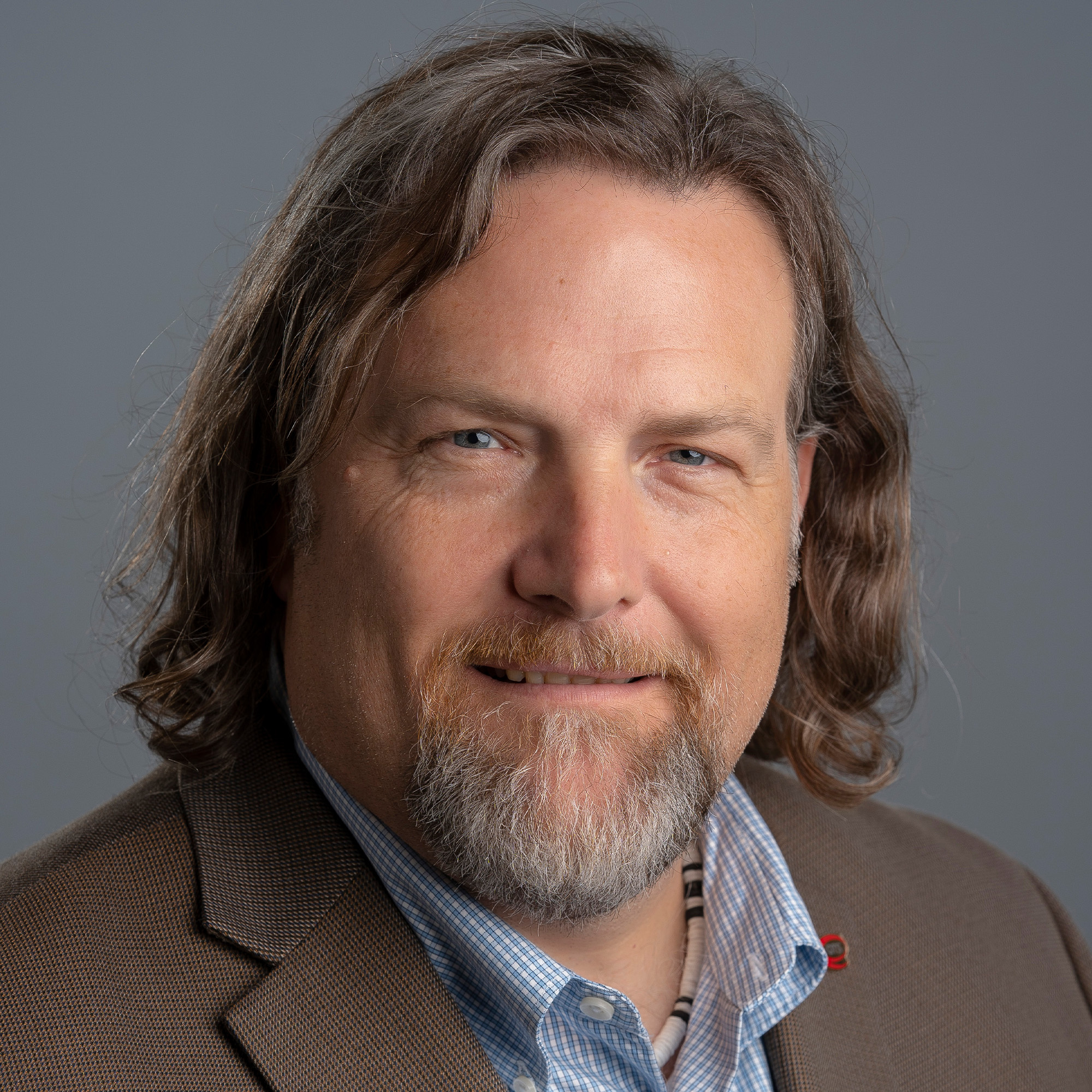
Ep. 250 - Why a Finance Professor Calls Data Centers the New Railroads — Saurav Roychoudhury episode artwork

EPISODE · Jun 4, 2026 · 1H 31M

Ep. 250 - Why a Finance Professor Calls Data Centers the New Railroads — Saurav Roychoudhury

from The QTS Experience · host Dave McCall

Most people think the cloud floats. Saurav Roychoudhury, a Capital University economist, ran the numbers on Ohio’s data centers and found concrete, copper, and a whole lot of jobs. We get into ripple effects, why community trust is the real bottleneck, and whether any of this is zero-sum. Chapters: 00:00:00 From Calcutta to Capital University: the unlikely data center economist 00:02:31 How the Ohio Chamber’s data center study came to be 00:04:58 “It’s not ethereal”: what the cloud is actually made of 00:05:44 Inside the method: IMPLAN modeling and 30-plus interviews 00:07:53 The real bottleneck — power and water are solvable, trust is harder 00:08:42 “We want it, just not in our backyard”: the clean-water parallel 00:10:58 The mystery box: what’s really running inside a data center 00:19:11 Why the job count lags: a federal code updated only every five years 00:25:09 Ripple effects, and why above-median wages matter 00:35:06 Ohio, the third-largest data center market in the U.S. 00:40:11 Data centers vs. the dot-com boom and the railroads: a GDP comparison 00:47:48 A view from India: 1.4 billion people, less capacity than New Albany 00:50:04 Send an evangelist, not just engineers: how to earn community trust 01:08:00 New Albany’s tax innovation and the Chromebook check 01:24:05 Behind-the-meter power and a stronger grid for everyone 01:28:05 “What are we for?” Why this isn’t a zero-sum game Links: Saurav Roychoudhury — LinkedIn: linkedin.com/in/sauravrc Capital University — Economics: capital.edu/academics/majors-and-minors/economics The Economic Impact Study of Data Centers in Ohio — by SRC EvalMetrics LLC (the guest’s firm) for the Ohio Chamber of Commerce Research Foundation: ohiochamberfoundation.com — data center study PwC, “Economic, Environmental, and Social Impacts of Data Centers in the United States” — commissioned by the Data Center Coalition (referenced ~00:27:32): datacentercoalition.org/reports-and-publications IMPLAN — the input-output economic modeling system used in the study (~00:05:44): implan.com Thank you for visiting our channel, be sure to Like, Comment, and Subscribe! For more information, go to https://www.QTSDataCenters.com Learn More about QTS Data Centers on the QTS YouTube Channel: https://www.youtube.com/users/qtsdatacenters Think you have a great topic for a podcast or would like to schedule an interview with Dave? Send in your requests to [email protected]

Most people think the cloud floats. Saurav Roychoudhury, a Capital University economist, ran the numbers on Ohio’s data centers and found concrete, copper, and a whole lot of jobs. We get into ripple effects, why community trust is the real bottleneck, and whether any of this is zero-sum. Chapters: 00:00:00 From Calcutta to Capital University: the unlikely data center economist 00:02:31 How the Ohio Chamber’s data center study came to be 00:04:58 “It’s not ethereal”: what the cloud is actually made of 00:05:44 Inside the method: IMPLAN modeling and 30-plus interviews 00:07:53 The real bottleneck — power and water are solvable, trust is harder 00:08:42 “We want it, just not in our backyard”: the clean-water parallel 00:10:58 The mystery box: what’s really running inside a data center 00:19:11 Why the job count lags: a federal code updated only every five years 00:25:09 Ripple effects, and why above-median wages matter 00:35:06 Ohio, the third-largest data center market in the U.S. 00:40:11 Data centers vs. the dot-com boom and the railroads: a GDP comparison 00:47:48 A view from India: 1.4 billion people, less capacity than New Albany 00:50:04 Send an evangelist, not just engineers: how to earn community trust 01:08:00 New Albany’s tax innovation and the Chromebook check 01:24:05 Behind-the-meter power and a stronger grid for everyone 01:28:05 “What are we for?” Why this isn’t a zero-sum game Links: Saurav Roychoudhury — LinkedIn: linkedin.com/in/sauravrc Capital University — Economics: capital.edu/academics/majors-and-minors/economics The Economic Impact Study of Data Centers in Ohio — by SRC EvalMetrics LLC (the guest’s firm) for the Ohio Chamber of Commerce Research Foundation: ohiochamberfoundation.com — data center study PwC, “Economic, Environmental, and Social Impacts of Data Centers in the United States” — commissioned by the Data Center Coalition (referenced ~00:27:32): datacentercoalition.org/reports-and-publications IMPLAN — the input-output economic modeling system used in the study (~00:05:44): implan.com Thank you for visiting our channel, be sure to Like, Comment, and Subscribe! For more information, go to https://www.QTSDataCenters.com Learn More about QTS Data Centers on the QTS YouTube Channel: https://www.youtube.com/users/qtsdatacenters Think you have a great topic for a podcast or would like to schedule an interview with Dave? Send in your requests to [email protected]

NOW PLAYING

Ep. 250 - Why a Finance Professor Calls Data Centers the New Railroads — Saurav Roychoudhury

0:00 1:31:29

No transcript for this episode yet

We transcribe on demand. Request one and we'll notify you when it's ready — usually under 10 minutes.

Frequently Asked Questions

How long is this episode of The QTS Experience?

This episode is 1 hour and 31 minutes long.

When was this The QTS Experience episode published?

This episode was published on June 4, 2026.

What is this episode about?

Most people think the cloud floats. Saurav Roychoudhury, a Capital University economist, ran the numbers on Ohio’s data centers and found concrete, copper, and a whole lot of jobs. We get into ripple effects, why community trust is the real...

Can I download this The QTS Experience episode?

Yes, you can download this episode by clicking the download button on the episode player, or subscribe to the podcast in your preferred podcast app for automatic downloads.
URL copied to clipboard!