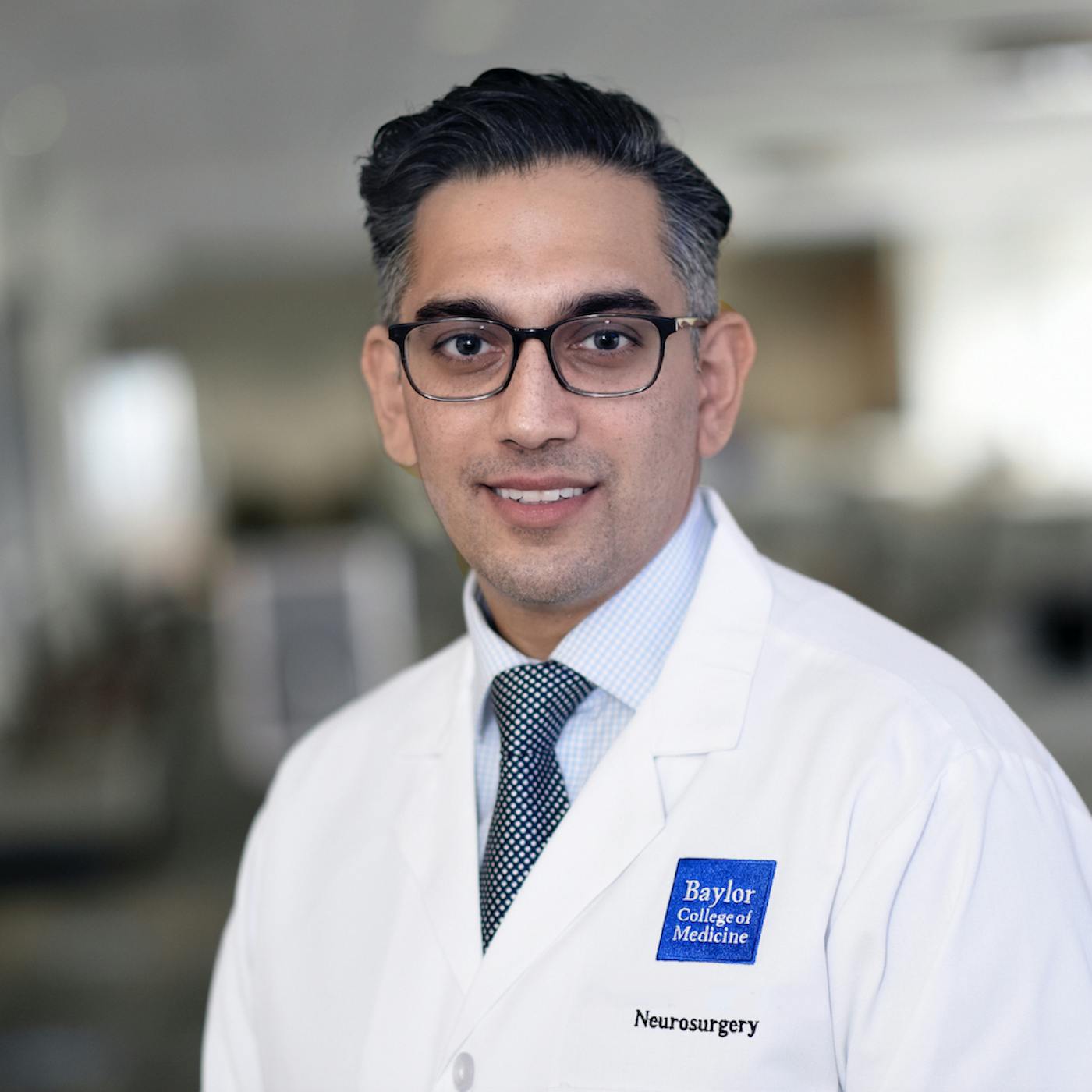
Ep. 301 New Technologies for Treatment of Cerebral Aneurysms with Dr. David Altschul and Dr. Omar Tanweer episode artwork

EPISODE · Mar 13, 2023 · 40 MIN

Ep. 301 New Technologies for Treatment of Cerebral Aneurysms with Dr. David Altschul and Dr. Omar Tanweer

from BackTable Vascular & Interventional · host BackTable

In this episode, host Dr. Sabeen Dhand speaks with neurosurgeons Drs. David Altschul and Omar Tanweer about updates on cerebral aneurysms, including device innovation, risk stratification, and the importance of the doctor-patient relationship in decision-making. --- CHECK OUT OUR SPONSOR MicroVention FRED X https://www.microvention.com/emea/product/fred-x --- SHOW NOTES Dr. Omar Tanweer is the director of cerebrovascular and endovascular neurosurgery at Baylor College of Medicine. He works in a multidisciplinary group of neurologists, radiologists, and neurosurgeons. He trained at NYU and has been at Baylor for 2 years, where he does 100% neurovascular work. Dr. David Altschul is also from New York and is the division chief of neurovascular surgery at Montefiore. He completed an endovascular fellowship in Manhattan and has now been back at Monteriore since 2014. Both physicians have an 80 to 20 endovascular to open case ratio. In the case of ruptured cerebral aneurysms, Dr. Altschul describes a rule of threes. Around one third of patients pass away before reaching a hospital, another third arrive with significant neurologic deficits, the final third simply endure a headache. The severity of symptoms on presentation is generally predictive of outcome. They use the Hunt and Hess score, as well as the Modified Fisher Scale in their workup. They will generally only put in a ventriculostomy if a patient is lethargic and has a Hunt and Hess grade of at least 3. Both physicians use viz.ai to review their aneurysm cases at their home institutions, as well as at all local referring hospitals, as they are all connected via the viz platform. For unruptured aneurysms, they implement the PHASES score and rely on patient preference. Some patients are comfortable monitoring the growth of very small aneurysms, while others prefer the risk of treating it over the risk of monitoring due to the fear of having a known aneurysm. The two agree that developing a good doctor-patient relationship is important in these cases, because getting to know your patient can help you decide which of these small aneurysms to treat. Finally, we discuss new technology in the treatment of cerebral aneurysms. Coils have improved by becoming smaller, containing biologic agents, and coming in different shapes. Dr. Tanweer discusses the difference between balloon and stent assisted techniques. Balloon assisted is great for wide neck aneurysms or patients who can’t be on dual anti-platelet therapy (DAPT) and are better in the case of re-rupture. Stent assisted, when tolerated, increases efficacy and reduces recurrence by keeping coils in place, as well as providing a scaffold for endothelial cells to heal across. The Flow Diverter, a vessel preservation device, is less porous and good for internal carotid and anterior circulation aneurysms. The downside is that it requires DAPT. There is also the Web device, an intrasaccular device that diverts flow across the metal in the aneurysm and at the base of the neck, but does not leave any metal in the normal part of the artery. These are mainly used for wide neck bifurcation aneurysms at the internal carotid, basilar, anterior communicating, and middle cerebral artery bifurcations. --- RESOURCES Twitter: @DavidAltschulMD @omar_tanweer Viz.aneurysm: https://www.viz.ai/aneurysm

In this episode, host Dr. Sabeen Dhand speaks with neurosurgeons Drs. David Altschul and Omar Tanweer about updates on cerebral aneurysms, including device innovation, risk stratification, and the importance of the doctor-patient relationship in decision-making. --- CHECK OUT OUR SPONSOR MicroVention FRED X https://www.microvention.com/emea/product/fred-x --- SHOW NOTES Dr. Omar Tanweer is the director of cerebrovascular and endovascular neurosurgery at Baylor College of Medicine. He works in a multidisciplinary group of neurologists, radiologists, and neurosurgeons. He trained at NYU and has been at Baylor for 2 years, where he does 100% neurovascular work. Dr. David Altschul is also from New York and is the division chief of neurovascular surgery at Montefiore. He completed an endovascular fellowship in Manhattan and has now been back at Monteriore since 2014. Both physicians have an 80 to 20 endovascular to open case ratio. In the case of ruptured cerebral aneurysms, Dr. Altschul describes a rule of threes. Around one third of patients pass away before reaching a hospital, another third arrive with significant neurologic deficits, the final third simply endure a headache. The severity of symptoms on presentation is generally predictive of outcome. They use the Hunt and Hess score, as well as the Modified Fisher Scale in their workup. They will generally only put in a ventriculostomy if a patient is lethargic and has a Hunt and Hess grade of at least 3. Both physicians use viz.ai to review their aneurysm cases at their home institutions, as well as at all local referring hospitals, as they are all connected via the viz platform. For unruptured aneurysms, they implement the PHASES score and rely on patient preference. Some patients are comfortable monitoring the growth of very small aneurysms, while others prefer the risk of treating it over the risk of monitoring due to the fear of having a known aneurysm. The two agree that developing a good doctor-patient relationship is important in these cases, because getting to know your patient can help you decide which of these small aneurysms to treat. Finally, we discuss new technology in the treatment of cerebral aneurysms. Coils have improved by becoming smaller, containing biologic agents, and coming in different shapes. Dr. Tanweer discusses the difference between balloon and stent assisted techniques. Balloon assisted is great for wide neck aneurysms or patients who can’t be on dual anti-platelet therapy (DAPT) and are better in the case of re-rupture. Stent assisted, when tolerated, increases efficacy and reduces recurrence by keeping coils in place, as well as providing a scaffold for endothelial cells to heal across. The Flow Diverter, a vessel preservation device, is less porous and good for internal carotid and anterior circulation aneurysms. The downside is that it requires DAPT. There is also the Web device, an intrasaccular device that diverts flow across the metal in the aneurysm and at the base of the neck, but does not leave any metal in the normal part of the artery. These are mainly used for wide neck bifurcation aneurysms at the internal carotid, basilar, anterior communicating, and middle cerebral artery bifurcations. --- RESOURCES Twitter: @DavidAltschulMD @omar_tanweer Viz.aneurysm: https://www.viz.ai/aneurysm

NOW PLAYING

Ep. 301 New Technologies for Treatment of Cerebral Aneurysms with Dr. David Altschul and Dr. Omar Tanweer

0:00 40:00

No transcript for this episode yet

We transcribe on demand. Request one and we'll notify you when it's ready — usually under 10 minutes.

First Incision Amanda Nikolic A podcast about preparing for the General Surgery Fellowship Exam. Each year, Australian and New Zealand surgical trainees sit this exam in order to gain a 'fellowship' in General Surgery. This podcast follows one trainee doctor on her journey towards FRACS (Fellowship Royal Australian College of Surgeons). The series correspond to the different modules from the surgical curriculum. Series 1-Breast Surgery, 2-Exam Specific Episodes; 3-Upper Gastrointestinal Surgery; 4-Colorectal Surgery; 5-Hepatobiliary Surgery; 6-Endocrine Surgery; 7-Trauma; 8-Skin and Soft Tissue; 9-Vascular; 10-Anatomy (Limb); 11-Surgical Oncology; 12-Critically Ill Surgical Patient Pain Unfiltered American Society of Pain & Neuroscience Welcome to Pain Unfiltered, where we go in depth into the interventional pain and spine world with some of the top key opinion leaders and executives in the space. We are your hosts, Dr. Patrick Buchanan and Dr. Timothy Deer for this ASPN podcast. The Interventional Endoscopist Mankanwal Sachdev A podcast about technology, devices, and techniques in the therapeutic endoscopy space Life of Flow Lucas Ferrer and Miguel Montero-Baker Life of Flow is a podcast hosted by two experts in the field of vascular surgery, Miguel-Montero Baker and Lucas Ferrer Cardona. They share their thoughts, insights, and expertise with their listeners each week, discussing a wide range of topics that are both related to and beyond vascular surgery.In addition to talking about the latest research and developments in the field, the hosts also share anecdotes and personal stories that provide a unique perspective on the world of vascular surgery. They delve into the challenges that they have faced, the lessons that they have learned, and the unique life of a vascular surgeon.

Frequently Asked Questions

How long is this episode of BackTable Vascular & Interventional?

This episode is 40 minutes long.

When was this BackTable Vascular & Interventional episode published?

This episode was published on March 13, 2023.

What is this episode about?

In this episode, host Dr. Sabeen Dhand speaks with neurosurgeons Drs. David Altschul and Omar Tanweer about updates on cerebral aneurysms, including device innovation, risk stratification, and the importance of the doctor-patient relationship in...

Can I download this BackTable Vascular & Interventional episode?

Yes, you can download this episode by clicking the download button on the episode player, or subscribe to the podcast in your preferred podcast app for automatic downloads.
URL copied to clipboard!