
EPISODE · May 2, 2025 · 29 MIN
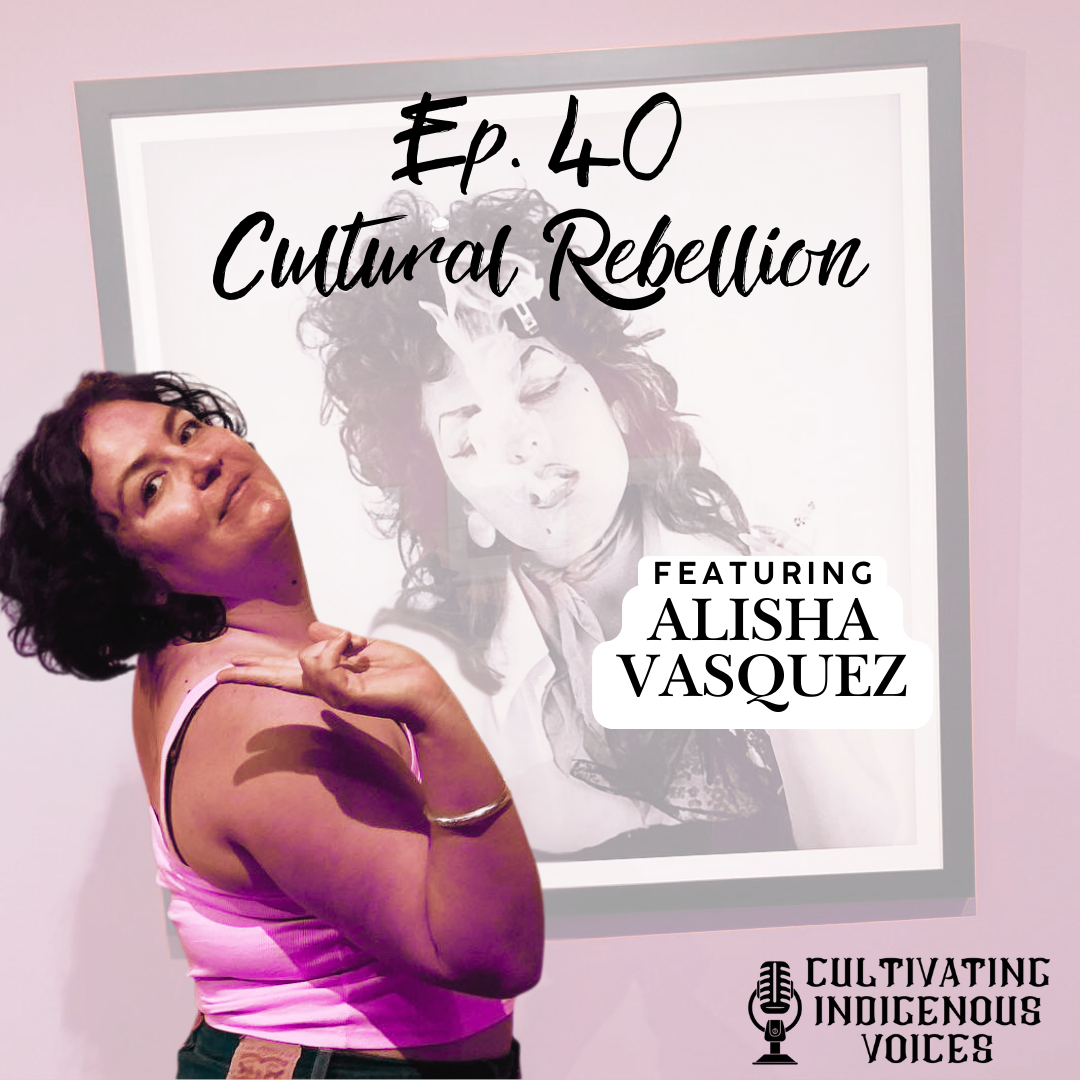
Ep. 40 Cultural Rebellion with Alisha Vasquez
from Cultivating Indigenous Voices · host KXCI
In this episode I feature Alisha Vasquez, who is a 5th generation Tucsonan and is the Co-Director of the Mexican American Heritage and History Museum and the Accessibility and Communications Manager with Southwest Folklife Alliance. She recalls her time spent at Skrappy’s as a teenager stepping into what would become the most transformative space of her teenage years. Skrappy’s was a popular teen hang out, a DIY music venue run by youth for youth, and a place for after school activities that gave young people a chance to create, connect, and lead. Listening to punk rock lyrics opened the door to critical thinking and broadened political awareness for Alisha. From that she built a sense of solidarity as a young person on into her adult life. Photo by Stephanie L. from Skrappy’s tumblr webpage. At an early age Alisha enjoyed listening to family stories told by her grandparents about their memories in Tucson. These stories included important details that Alisha would later discover as a teacher, teaching Chicano Studies at Pima Community College, that history isn’t just in the textbooks—it’s in the barrios, in the stories passed down, and in the fight to be seen and heard. Louis Vasquez and Theodora Petras (Alisha’s yaya and papu) walking hand and hand, down Congress St., early 1950 Alisha in a bucket of water on North Fontana Street, circa 1986 Alisha also goes in depth about a project she and other community organizers are doing called “Survival and Resistance: Southside’s Environmental Justice Movement“, that is telling the story of the trichloroethylene (TCE) contamination in Tucson water from the late 1940s to the 1970s. The contamination occurred on the southside of Tucson where residents were affected by contaminated drinking water. The nearby company Hughes Aircraft Co. used TCE extensively as a degreasing agent in aircraft manufacturing and routinely dumped chemical waste without proper containment. As early as 1957 neighboring tribe officials from the Tohono O’odham Nation wrote a letter to Hughes Aircraft Co.; the letter described alarming signs of livestock dying and natural ecosystems visibly deteriorating. This improper disposal of trichloroethylene (TCE) led to the contamination of the local groundwater supply. Thus, South Tucson residents unknowingly consumed the tainted water for years, and many began experiencing health issues such as liver and kidney damage, immune system dysfunction, and increased rates of certain cancers. Prolonged exposure to TCE, particularly through ingestion and inhalation of vapors in indoor air, raised concerns among public health officials, prompting an environmental investigation and the eventual classification of the area as a hazardous waste site under the EPA’s Superfund program. Louis Vasquez water his backyard, circa 1970s Alisha’s family discovered that their grandfather Louis Vasquez was a part of one of many TCE lawsuits filed by South Tucson residents whose serious health conditions were likely caused due to prolonged exposure to harmful levels of TCE, leading to serious health consequences. For five generations her family has called Tucson home, and over the decades, they’ve watched Tucson transform from a quiet desert town into a vibrant, sprawling city. Each generation witnessing change – some gradual, others abrupt – from the revitalization of downtown to the pressures of gentrification that followed. Tune in to hear more details about Alisha’s personal and community experiences as she continues to explore the layers of history of place, identity, and heritage. Herbert Street House–Vasquez family residence in Barrio Santa Rita. Photo from 2024 Louie Vasquez pointing at the bulldozed site of the house that his father was born in once stood. The city was...
What this episode covers
In this episode I feature Alisha Vasquez, who is a 5th generation Tucsonan and is the Co-Director of the Mexican American Heritage and History Museum and the Accessibility and Communications Manager with Southwest Folklife Alliance. She recalls her time spent at Skrappy’s as a teenager stepping into what would become the most transformative space of her teenage years. Skrappy’s was a popular teen hang out, a DIY music venue run by youth for youth, and a place for after school activities that gave young people a chance to create, connect, and lead. Listening to punk rock lyrics opened the door to critical thinking and broadened political awareness for Alisha. From that she built a sense of solidarity as a young person on into her adult life. Photo by Stephanie L. from Skrappy’s tumblr webpage. At an early age Alisha enjoyed listening to family stories told by her grandparents about their memories in Tucson. These stories included important details that Alisha would later discover as a teacher, teaching Chicano Studies at Pima Community College, that history isn’t just in the textbooks—it’s in the barrios, in the stories passed down, and in the fight to be seen and heard. Louis Vasquez and Theodora Petras (Alisha’s yaya and papu) walking hand and hand, down Congress St., early 1950 Alisha in a bucket of water on North Fontana Street, circa 1986 Alisha also goes in depth about a project she and other community organizers are doing called “Survival and Resistance: Southside’s Environmental Justice Movement“, that is telling the story of the trichloroethylene (TCE) contamination in Tucson water from the late 1940s to the 1970s. The contamination occurred on the southside of Tucson where residents were affected by contaminated drinking water. The nearby company Hughes Aircraft Co. used TCE extensively as a degreasing agent in aircraft manufacturing and routinely dumped chemical waste without proper containment. As early as 1957 neighboring tribe officials from the Tohono O’odham Nation wrote a letter to Hughes Aircraft Co.; the letter described alarming signs of livestock dying and natural ecosystems visibly deteriorating. This improper disposal of trichloroethylene (TCE) led to the contamination of the local groundwater supply. Thus, South Tucson residents unknowingly consumed the tainted water for years, and many began experiencing health issues such as liver and kidney damage, immune system dysfunction, and increased rates of certain cancers. Prolonged exposure to TCE, particularly through ingestion and inhalation of vapors in indoor air, raised concerns among public health officials, prompting an environmental investigation and the eventual classification of the area as a hazardous waste site under the EPA’s Superfund program. Louis Vasquez water his backyard, circa 1970s Alisha’s family discovered that their grandfather Louis Vasquez was a part of one of many TCE lawsuits filed by South Tucson residents whose serious health conditions were likely caused due to prolonged exposure to harmful levels of TCE, leading to serious health consequences. For five generations her family has called Tucson home, and over the decades, they’ve watched Tucson transform from a quiet desert town into a vibrant, sprawling city. Each generation witnessing change – some gradual, others abrupt – from the revitalization of downtown to the pressures of gentrification that followed. Tune in to hear more details about Alisha’s personal and community experiences as she continues to explore the layers of history of place, identity, and heritage. Herbert Street House–Vasquez family residence in Barrio Santa Rita. Photo from 2024 Louie Vasquez pointing at the bulldozed site of the house that his father was born in once stood. The city was...
NOW PLAYING
Ep. 40 Cultural Rebellion with Alisha Vasquez
No transcript for this episode yet
Similar Episodes
May 25, 2026 ·18m
May 24, 2026 ·23m