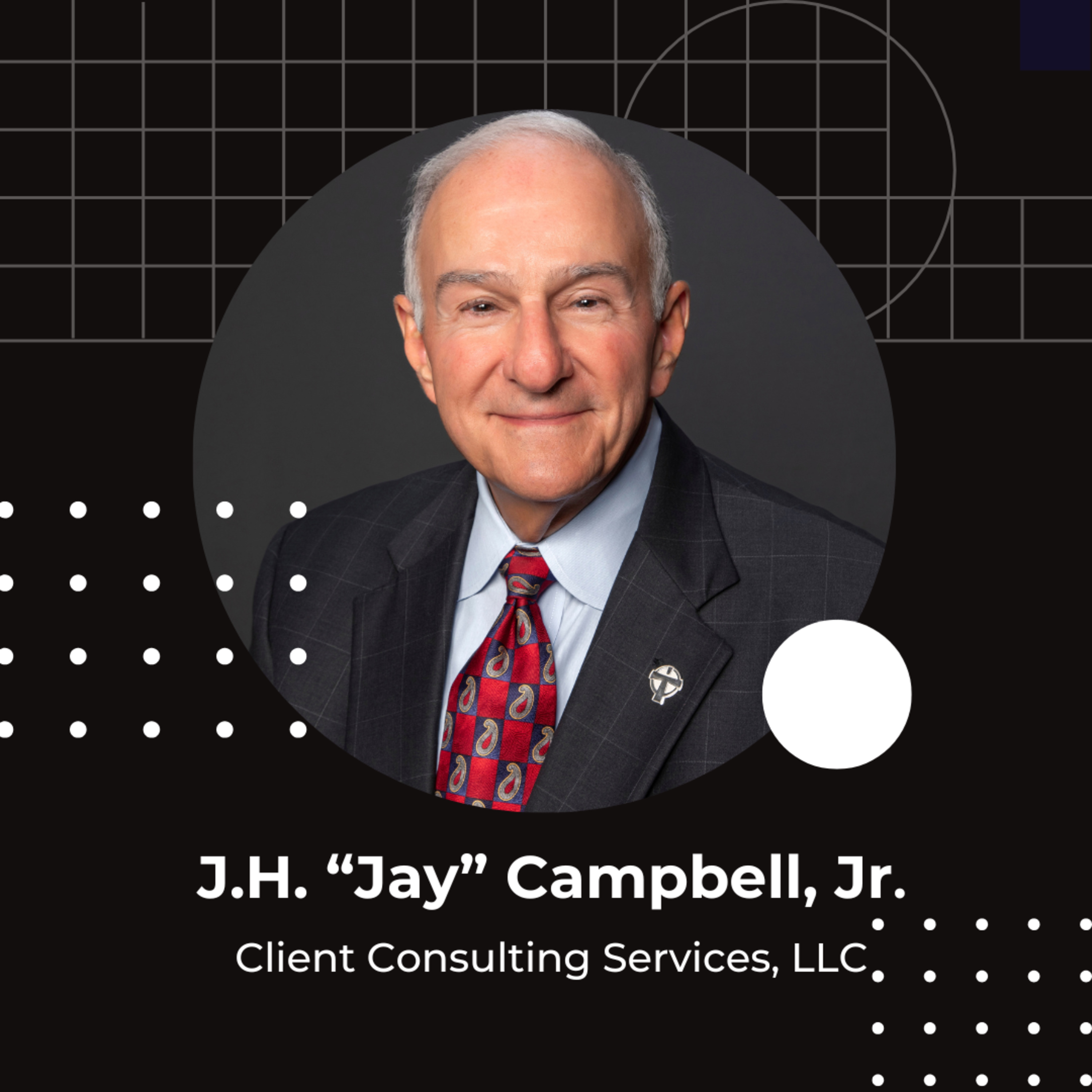
Ep.42 The Power of Mentorship: Lessons from Jay Campbell on Leadership and Baton Rouge episode artwork

EPISODE · Sep 16, 2025 · 54 MIN

Ep.42 The Power of Mentorship: Lessons from Jay Campbell on Leadership and Baton Rouge

from Muddy Waters, Clear Vision · host Trility Partners

1/ Let’s talk about mentorship, not just as a buzzword, but as a powerful force that shapes leaders and communities. In their recent conversation, J.H. “Jay” Campbell, Jr., a retired business executive, consultant to family-owned and corporate enterprises, and board member for both for-profit and nonprofit organizations, and Stuart Gilly shared real gems about what true mentorship looks like (hint: it’s not what you might expect).2/ Jay didn’t even realize he was being “mentored” early on. He just admired, learned from, and followed the example of people he respected—WWII vets who handled adversity with calm, virtue, & strength. “They weren’t Pollyannish; they just didn’t want to burden others.” 3/ The ‘mentor’ label only hit when Jay was in his 30s. Before that? They were bosses—decision-makers who respected him, listened to his ideas, and included him in shaping the company’s future.4/ What set them apart? Their unwavering purpose. “They were daily communicants, grounded in faith, and played the hand they were dealt, no matter how tough.” That’s a life lesson, not a quick tip.5/ Jay’s first external mentors were BANKERS (sounds weird, right?)—but for him, they were business leaders driving civic engagement, teaching him to give back, connect, & genuinely make Baton Rouge better. Not resume-building. Not ego. #CommunityFirst6/ The best mentors aren’t just spewing advice. “A real mentor doesn’t give answers—they ask the right questions so YOU figure it out. That’s where growth lives.”7/ Coaching vs. Advising vs. Mentoring:Coach: “Here’s how to be better at the game.”Advisor: “Here’s what to do with your money/business.”Mentor: “Let’s unpack how you can approach this. What do you want? How will this impact your life, NOT just your business?”8/ Sometimes your paid advisors/coaches have a dog in the fight—mentors don’t. “The mentor is for the PERSON, not the project. They care if you stay whole, not if you close the deal.”9/ Practical tip for mentees: Be ready to listen and invest in YOURSELF. If you’re seeking mentorship, take it seriously. If you’re just looking for a pat on the back, you’re missing the point (& mentors will bail).10/ Baton Rouge’s real need: Mentorship that looks beyond age, status, or titles. Jay says: “Maybe the mentors are already out there—people just aren’t utilizing or sourcing them intentionally.”11/ Imagine a network where every entrepreneur, leader, or professional can access honest feedback, real world experience, and someone who just wants to help them THINK, not just DO. How different would Baton Rouge look?12/ For those thinking of becoming a mentor: “You don’t need all the answers—just be humble, be a listener, and know what questions to ask that help others see THEIR path.”13/ The bottom line: Mentorship isn’t about telling people what to do—it’s walking alongside them so they don’t lose sight of what matters: their family, their values, and their purpose. 14/ Want to level up your leadership AND community? Invest in mentorship, on both sides. Start asking—and answering—the real questions.15/ Shoutout to Jay, Stuart, and everyone quietly building up Baton Rouge (and cities everywhere) one honest, meaningful conversation at a time. It matters more than you know.#Mentorship #Leadership #BatonRouge #Entrepreneurship #CommunityBuilding

1/ Let’s talk about mentorship, not just as a buzzword, but as a powerful force that shapes leaders and communities. In their recent conversation, J.H. “Jay” Campbell, Jr., a retired business executive, consultant to family-owned and corporate enterprises, and board member for both for-profit and nonprofit organizations, and Stuart Gilly shared real gems about what true mentorship looks like (hint: it’s not what you might expect).2/ Jay didn’t even realize he was being “mentored” early on. He just admired, learned from, and followed the example of people he respected—WWII vets who handled adversity with calm, virtue, & strength. “They weren’t Pollyannish; they just didn’t want to burden others.” 3/ The ‘mentor’ label only hit when Jay was in his 30s. Before that? They were bosses—decision-makers who respected him, listened to his ideas, and included him in shaping the company’s future.4/ What set them apart? Their unwavering purpose. “They were daily communicants, grounded in faith, and played the hand they were dealt, no matter how tough.” That’s a life lesson, not a quick tip.5/ Jay’s first external mentors were BANKERS (sounds weird, right?)—but for him, they were business leaders driving civic engagement, teaching him to give back, connect, & genuinely make Baton Rouge better. Not resume-building. Not ego. #CommunityFirst6/ The best mentors aren’t just spewing advice. “A real mentor doesn’t give answers—they ask the right questions so YOU figure it out. That’s where growth lives.”7/ Coaching vs. Advising vs. Mentoring:Coach: “Here’s how to be better at the game.”Advisor: “Here’s what to do with your money/business.”Mentor: “Let’s unpack how you can approach this. What do you want? How will this impact your life, NOT just your business?”8/ Sometimes your paid advisors/coaches have a dog in the fight—mentors don’t. “The mentor is for the PERSON, not the project. They care if you stay whole, not if you close the deal.”9/ Practical tip for mentees: Be ready to listen and invest in YOURSELF. If you’re seeking mentorship, take it seriously. If you’re just looking for a pat on the back, you’re missing the point (& mentors will bail).10/ Baton Rouge’s real need: Mentorship that looks beyond age, status, or titles. Jay says: “Maybe the mentors are already out there—people just aren’t utilizing or sourcing them intentionally.”11/ Imagine a network where every entrepreneur, leader, or professional can access honest feedback, real world experience, and someone who just wants to help them THINK, not just DO. How different would Baton Rouge look?12/ For those thinking of becoming a mentor: “You don’t need all the answers—just be humble, be a listener, and know what questions to ask that help others see THEIR path.”13/ The bottom line: Mentorship isn’t about telling people what to do—it’s walking alongside them so they don’t lose sight of what matters: their family, their values, and their purpose. 14/ Want to level up your leadership AND community? Invest in mentorship, on both sides. Start asking—and answering—the real questions.15/ Shoutout to Jay, Stuart, and everyone quietly building up Baton Rouge (and cities everywhere) one honest, meaningful conversation at a time. It matters more than you know.#Mentorship #Leadership #BatonRouge #Entrepreneurship #CommunityBuilding

NOW PLAYING

Ep.42 The Power of Mentorship: Lessons from Jay Campbell on Leadership and Baton Rouge

0:00 54:47

No transcript for this episode yet

We transcribe on demand. Request one and we'll notify you when it's ready — usually under 10 minutes.

No similar episodes found.

No similar podcasts found.

Frequently Asked Questions

How long is this episode of Muddy Waters, Clear Vision?

This episode is 54 minutes long.

When was this Muddy Waters, Clear Vision episode published?

This episode was published on September 16, 2025.

What is this episode about?

1/ Let’s talk about mentorship, not just as a buzzword, but as a powerful force that shapes leaders and communities. In their recent conversation, J.H. “Jay” Campbell, Jr., a retired business executive, consultant to family-owned and corporate...

Can I download this Muddy Waters, Clear Vision episode?

Yes, you can download this episode by clicking the download button on the episode player, or subscribe to the podcast in your preferred podcast app for automatic downloads.
URL copied to clipboard!