
EPISODE · Sep 15, 2025 · 1H 21M
Ep 49 The Gnostics with Mike
from Jimbo Radio · host James Gomes
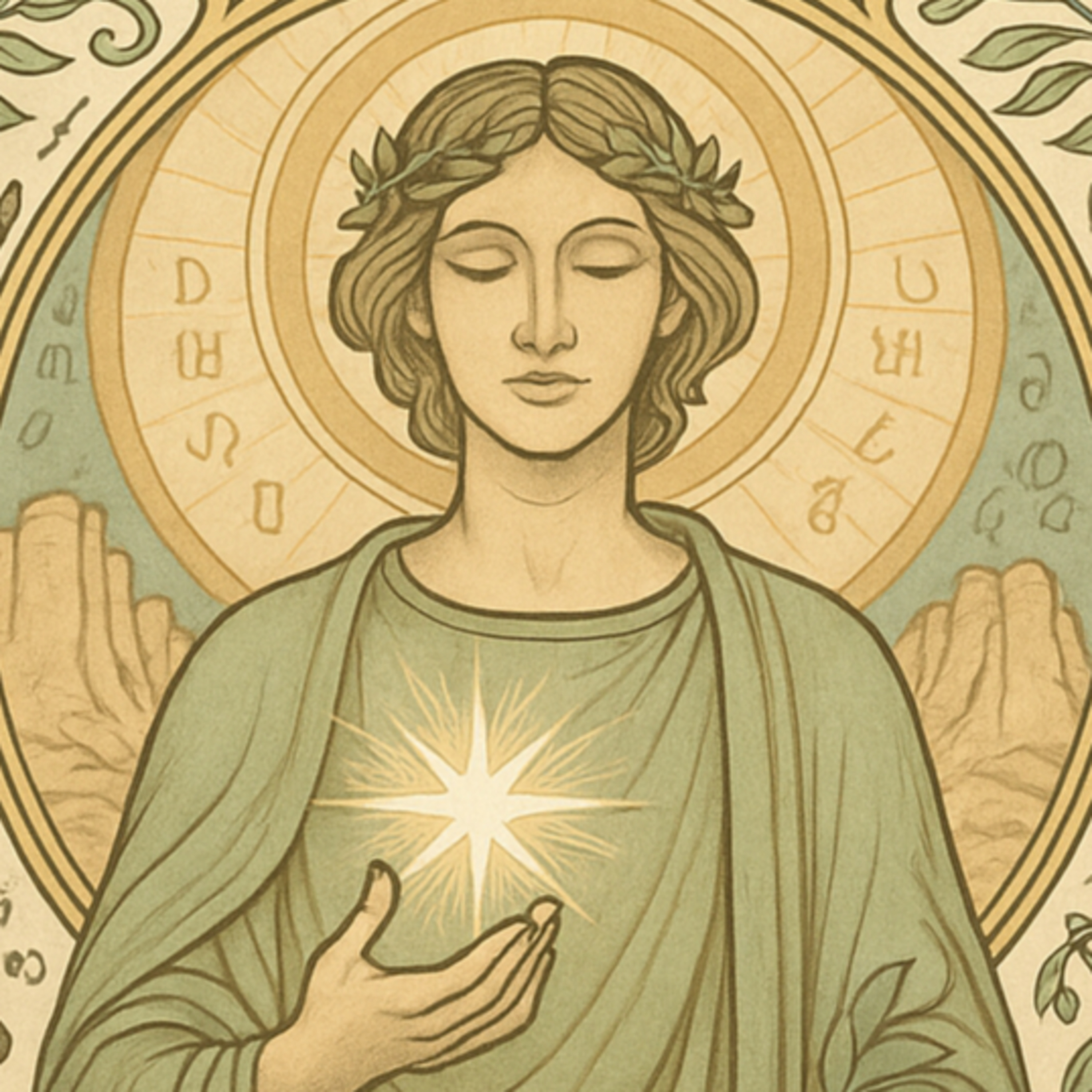
Transcript here. Fact checking here. Jimbo's pre recording notes and outline can be viewed here. People & groups Gnosticism — Umbrella label for diverse early Christian movements that emphasized secret/experiential knowledge (gnosis) to awaken a divine “spark” within. Proto-orthodox — Modern term for the streams of early Christianity that later became mainstream “orthodoxy.” Sethians — A Gnostic school with elaborate myths about Sophia, a false creator, and rescuing divine sparks. Valentinians — Gnostic movement from teacher Valentinus; tended to see the creator as ignorant rather than evil and blended in with church life. Basilidians (followers of Basilides) — Early 2nd-century movement; reported to teach many “heavens” and often associated with Docetism. Marcionites — Followers of Marcion of Sinope who rejected the Hebrew Scriptures’ God as distinct from the Father of Jesus. Ebionites — Torah-observant Jewish-Christian group; generally skeptical of Paul and insisted on Jewish law. Justin Martyr — 2nd-century Christian writer who mentions churches reading the “memoirs of the apostles.” Irenaeus — Late-2nd-century bishop who argued for exactly four Gospels and wrote Against Heresies. Tatian — 2nd-century Christian who created the Diatessaron, a harmony of the four Gospels. Tertullian — Early Christian author critical of various “heresies,” including Valentinian ideas. Walter Bauer — 20th-century scholar whose thesis suggested “orthodoxy” was not original everywhere (Orthodoxy and Heresy in Earliest Christianity). Ideas & vocabulary Gnosis — Experiential, saving knowledge. Demiurge — The craftsman/creator of the material world; benevolent in Plato, often ignorant/hostile in Gnostic myth. Yaldabaoth / Samael — Names some Gnostic texts give the ignorant creator. Pleroma — The “fullness” of the divine realm in Gnostic cosmology. Aeons — Emanations/personae of the divine within the Pleroma. Sophia — “Wisdom”; a key figure in Gnostic myths whose fall leads to the flawed creation. Docetism — View that Christ only seemed human/suffered. Dualism — Sharp good/evil or spirit/matter split; in many Gnostic systems, matter is inferior or corrupt. Asceticism — Strict self-denial (e.g., celibacy) for spiritual aims; some groups were strongly ascetic. Allegory / allegorical — Reading stories as symbolic rather than literal history. Apocalyptic — Expectation of imminent divine intervention/kingdom.
Embed this episode
Ready to play
Ep 49 The Gnostics with Mike
No transcript for this episode yet
Similar Episodes
No similar episodes found.