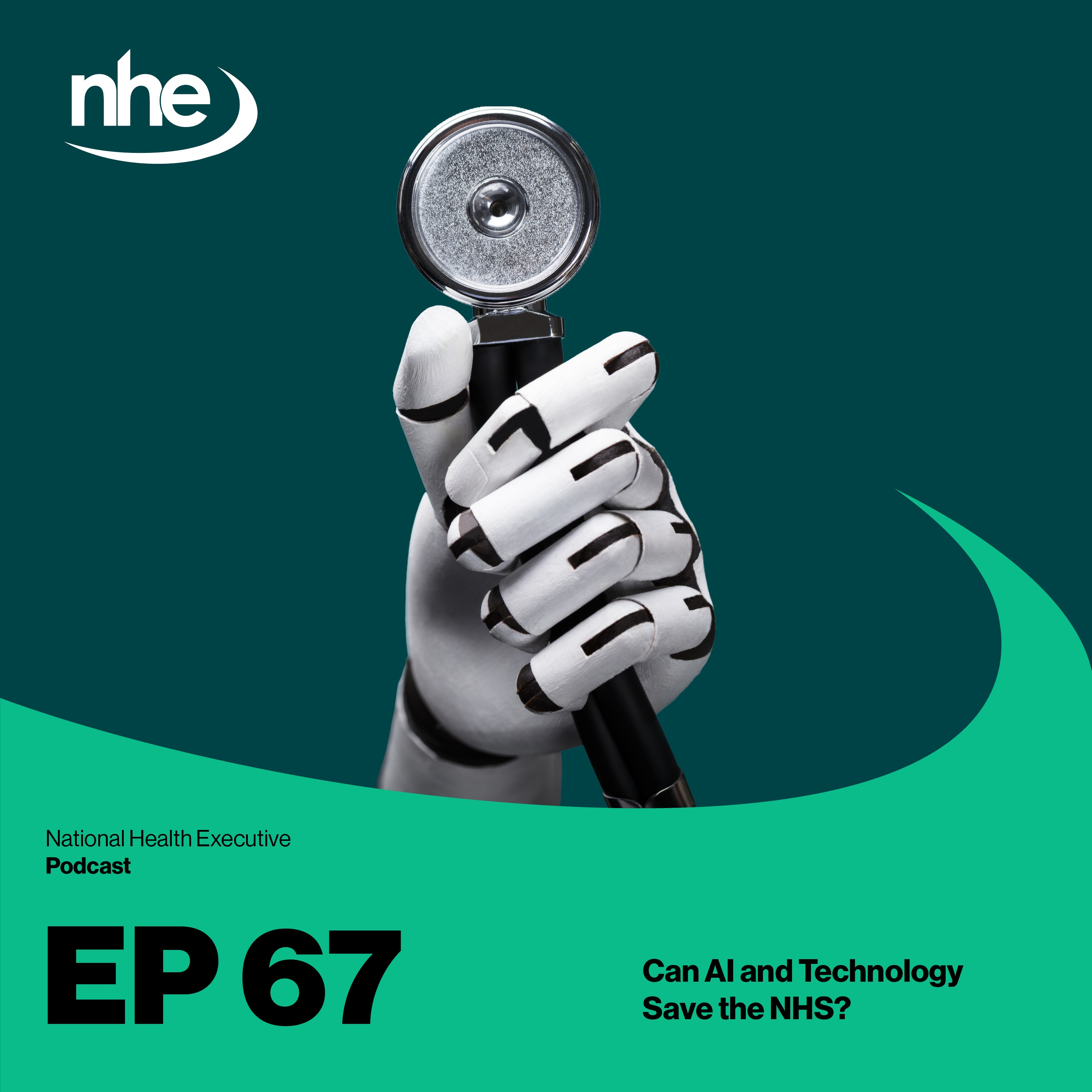
Ep 67. Can AI and Technology Save the NHS? episode artwork

EPISODE · Jun 9, 2026 · 45 MIN

Ep 67. Can AI and Technology Save the NHS?

from National Health Executive Podcast

The NHS stands at a crossroads. With rising demands, workforce shortages, and a stretched budget, the question of whether technology can save the NHS is more pressing than ever. In the latest episode of the National Health Executive Podcast, we bring together a panel of experts to explore the transformative potential of artificial intelligence and digital health technologies in addressing these challenges.As the panel discusses, the current state of the NHS is fraught with difficulties. The pressure on the system is immense, with increasing patient numbers and limited resources. Yet, amidst these challenges, there is a glimmer of hope in the form of digital health. AI is often touted as a game changer, capable of streamlining services, personalising care, and unlocking efficiencies that have previously been out of reach.Eleanor Wicks, a consultant cardiologist, highlights the various applications of AI in clinical settings. From decision support and diagnostics to remote care delivery, the potential benefits are vast. However, the panel acknowledges that while technology can enhance care delivery, it cannot replace the need for structural reforms within the NHS. The conversation shifts towards the importance of integrating AI into everyday practice, ensuring that these tools are not just implemented but embedded into the fabric of healthcare delivery.Dr. Matea Delou adds a vital perspective from primary care, where the administrative burden is particularly high. Tools like ambient voice technology are being piloted to alleviate this burden, allowing clinicians to focus more on patient care rather than data entry. Yet, the discussion reveals a critical gap: the need for a cohesive approach to technology implementation across the NHS. The panel agrees that without proper training and infrastructure, the benefits of AI may remain unrealised.The episode also touches on the role of mathematical modelling in understanding the interconnectedness of the healthcare system. Daniel Gartner explains how predictive analytics can help align demand and capacity, providing insights that could lead to more effective resource allocation. However, the panel is clear that while these innovations are promising, they must be accompanied by a commitment to workforce development and a willingness to adapt.As the discussion draws to a close, the panel reflects on the future of AI in the NHS. While they are optimistic about the potential for technology to improve patient outcomes, they caution against complacency. The real challenge lies in ensuring that AI and digital health tools are used to complement and enhance human expertise rather than replace it.In conclusion, this episode offers a nuanced view of the role of technology in the NHS. It is clear that while AI has the potential to transform healthcare delivery, it is not a panacea. The future of the NHS will depend on our ability to integrate these innovations thoughtfully and effectively, always keeping patient care at the forefront. Tune in to hear the full discussion and gain valuable insights into the intersection of technology and healthcare. Hosted on Acast. See acast.com/privacy for more information.

The NHS stands at a crossroads. With rising demands, workforce shortages, and a stretched budget, the question of whether technology can save the NHS is more pressing than ever. In the latest episode of the National Health Executive Podcast, we bring together a panel of experts to explore the transformative potential of artificial intelligence and digital health technologies in addressing these challenges.As the panel discusses, the current state of the NHS is fraught with difficulties. The pressure on the system is immense, with increasing patient numbers and limited resources. Yet, amidst these challenges, there is a glimmer of hope in the form of digital health. AI is often touted as a game changer, capable of streamlining services, personalising care, and unlocking efficiencies that have previously been out of reach.Eleanor Wicks, a consultant cardiologist, highlights the various applications of AI in clinical settings. From decision support and diagnostics to remote care delivery, the potential benefits are vast. However, the panel acknowledges that while technology can enhance care delivery, it cannot replace the need for structural reforms within the NHS. The conversation shifts towards the importance of integrating AI into everyday practice, ensuring that these tools are not just implemented but embedded into the fabric of healthcare delivery.Dr. Matea Delou adds a vital perspective from primary care, where the administrative burden is particularly high. Tools like ambient voice technology are being piloted to alleviate this burden, allowing clinicians to focus more on patient care rather than data entry. Yet, the discussion reveals a critical gap: the need for a cohesive approach to technology implementation across the NHS. The panel agrees that without proper training and infrastructure, the benefits of AI may remain unrealised.The episode also touches on the role of mathematical modelling in understanding the interconnectedness of the healthcare system. Daniel Gartner explains how predictive analytics can help align demand and capacity, providing insights that could lead to more effective resource allocation. However, the panel is clear that while these innovations are promising, they must be accompanied by a commitment to workforce development and a willingness to adapt.As the discussion draws to a close, the panel reflects on the future of AI in the NHS. While they are optimistic about the potential for technology to improve patient outcomes, they caution against complacency. The real challenge lies in ensuring that AI and digital health tools are used to complement and enhance human expertise rather than replace it.In conclusion, this episode offers a nuanced view of the role of technology in the NHS. It is clear that while AI has the potential to transform healthcare delivery, it is not a panacea. The future of the NHS will depend on our ability to integrate these innovations thoughtfully and effectively, always keeping patient care at the forefront. Tune in to hear the full discussion and gain valuable insights into the intersection of technology and healthcare. Hosted on Acast. See acast.com/privacy for more information.

NOW PLAYING

Ep 67. Can AI and Technology Save the NHS?

0:00 45:19

No transcript for this episode yet

We transcribe on demand. Request one and we'll notify you when it's ready — usually under 10 minutes.

Eat to Live Jenna Fuhrman, Dr. Fuhrman Our health is our most precious gift and smart nutrition can change your life. Each month, join Dr. Fuhrman and his daughter, Jenna Fuhrman as they discuss important topics in the world of nutrition. Eat to Live will change the way you eat and think about food. That Hoarder: Overcome Compulsive Hoarding That Hoarder Hoarding disorder is stigmatised and people who hoard feel vast amounts of shame. This podcast began life as an audio diary, an anonymous outlet for somebody with this weird condition. That Hoarder speaks about her experiences living with compulsive hoarding, she interviews therapists, academics, researchers, children of hoarders, professional organisers and influencers, and she shares insight and tips for others with the problem. Listened to by people who hoard as well as those who love them and those who work with them, Overcome Compulsive Hoarding with That Hoarder aims to shatter the stigma, share the truth and speak openly and honestly to improve lives. The Small Business Startup School – Business Notes | Financial Literacy | Retail Psychology – For Professionals & Entrepreneurs The Small Business Startup School Inc. Starting or buying a small business? While personal circumstances may vary, business patterns remain timeless. On The Small Business Startup School, we explore strategies, insights, and practical solutions to help entrepreneurs confidently navigate their journey.Hosted by Ola Williams—a retail entrepreneur, fintech founder, and financial coach with over two decades of experience—this podcast marries financial awareness and retail psychology with optimism to deliver actionable takeaways.Join us to learn, grow, and connect as we uncover the keys to business success.Let’s continue to learn together and be encouraged to keep on connecting! DIOSA. Carolina Sanper This podcast is a sacred space created by Carolina Sanper where you connect with your inner wisdom and embody your magnetic feminine power.It is the realization that the mystical realm is where you plant the seeds of your desired reality.It is a portal to your true essence: awareness, presence, and receiving with ease. Welcome home, DIOSA. 🖤

Frequently Asked Questions

How long is this episode of National Health Executive Podcast?

This episode is 45 minutes long.

When was this National Health Executive Podcast episode published?

This episode was published on June 9, 2026.

What is this episode about?

The NHS stands at a crossroads. With rising demands, workforce shortages, and a stretched budget, the question of whether technology can save the NHS is more pressing than ever. In the latest episode of the National Health Executive Podcast, we...

Can I download this National Health Executive Podcast episode?

Yes, you can download this episode by clicking the download button on the episode player, or subscribe to the podcast in your preferred podcast app for automatic downloads.
URL copied to clipboard!