Ep. 7: Design 101 — Foundations That Make a Home Feel Aligned
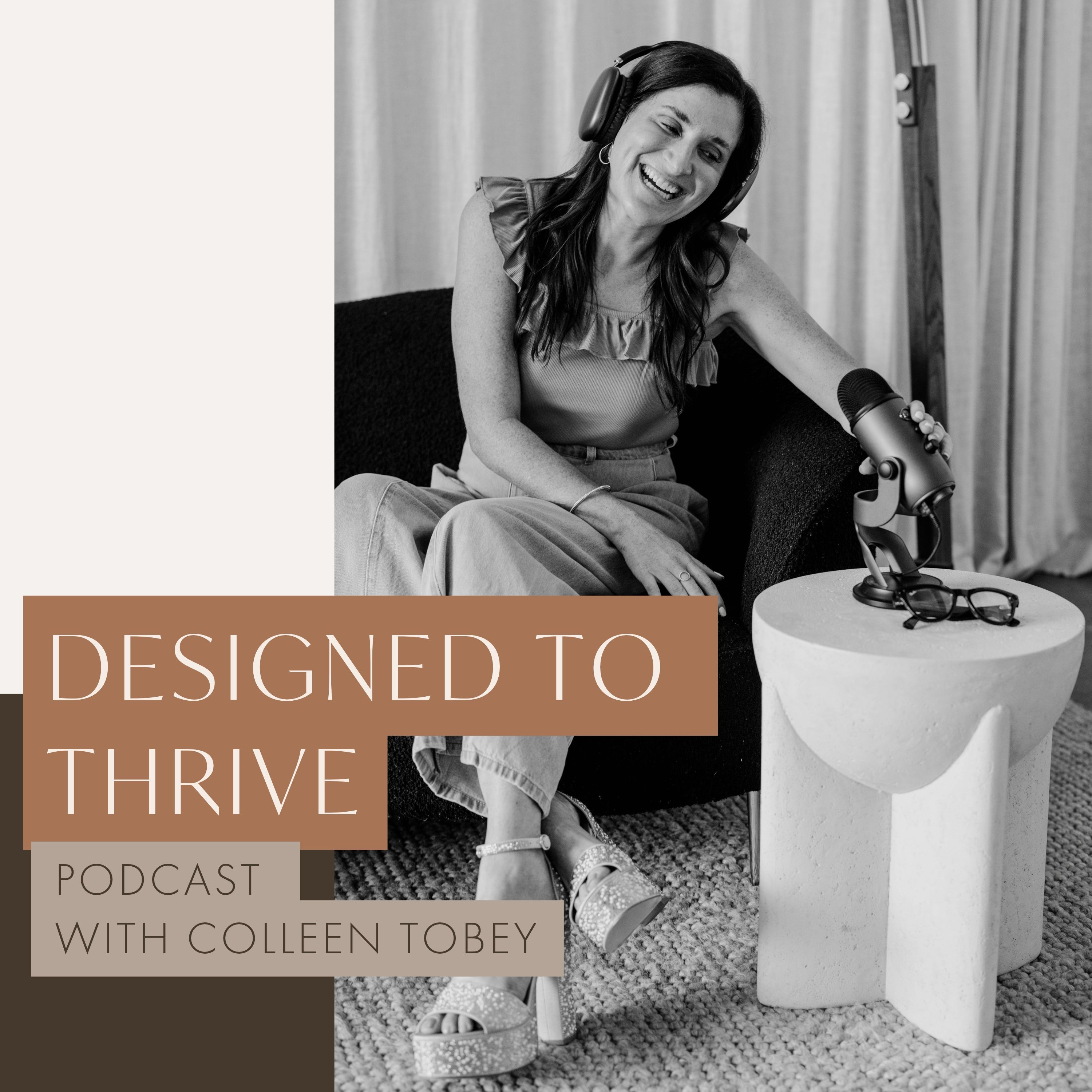
from Designed To Thrive with Colleen Tobey Hosted by Colleen Tobey
In this first episode of Season One, Part Two, Colleen welcomes listeners into a fresh chapter of the Designed to Thrive Podcast and into the new year. January invites reflection, clarity, and intention — and this episode is all about returning to the basics. Today’s conversation is Design 101: the foundational principles that make a home feel grounded, intentional, and supportive. Colleen breaks down the core elements of interior design and highlights the most common mistakes she sees — not with judgment, but with the belief that once you understand the foundation, everything shifts. This episode is both practical and empowering, helping you trust your eye, simplify your space, and design with confidence. What You’ll Learn in This Episode The 7 Core Elements of Design Colleen walks through the essential building blocks of good design: Space (positive vs. negative space) Line (horizontal, vertical, and dynamic) Form (geometric vs. organic) Light (why layering matters) Color (and how it affects emotion) Texture (visual and tactile) Pattern (and the importance of restraint) When these elements are aligned, a room feels effortless. When they’re not, something feels “off” — even if you can’t explain why. The 2:3 Design Rule (Rule of Thirds) Learn how this simple principle from art and architecture can transform your home: Why perfectly centered spaces often feel flat How dividing a room visually into thirds creates flow Practical examples using sofas, beds, kitchens, shelves, and decor Why offset compositions feel more relaxed, lived-in, and designed Once you see your space in thirds instead of halves, design becomes easier and more intuitive. Common Design Mistakes (and Easy Fixes) Colleen shares the most frequent issues she sees — and how to correct them: Rugs that are too small Curtains hung too low or too narrow Empty or ignored corners Furniture that’s out of scale or proportion Too many small decor items Poor lighting and lack of layers Not enough texture to warm up a space Visual weight concentrated on one side of the room These aren’t aesthetic failures — they’re foundational issues that can be gently adjusted. How to Make Your Home Feel High-End (Without Spending More) High-end design isn’t about price — it’s about cohesion. Colleen shares her favorite high-impact upgrades: Choosing larger rugs Layering lighting instead of relying on overheads Matching drapery for visual calm Editing surfaces instead of filling them Swapping out basic hardware Letting one strong art piece anchor a room The through-line? Fewer, better, more intentional choices. The Big Takeaway Design isn’t about perfection, trends, or magazine-worthy spaces. It’s about alignment. When your home feels cohesive, calm, and intentional, it quietly supports your life — through busy mornings, tired evenings, and everything in between. Small, thoughtful changes can completely shift how a space feels to live in. Colleen invites you to approach your home with curiosity rather than judgment and to ask: What’s working? What feels heavy? What could be simplified? Because good design doesn’t impress — it supports. Connect with Colleen on Instagram and on her website https://www.homecraftdesign.com/
Embed this episode
No transcript yet.