
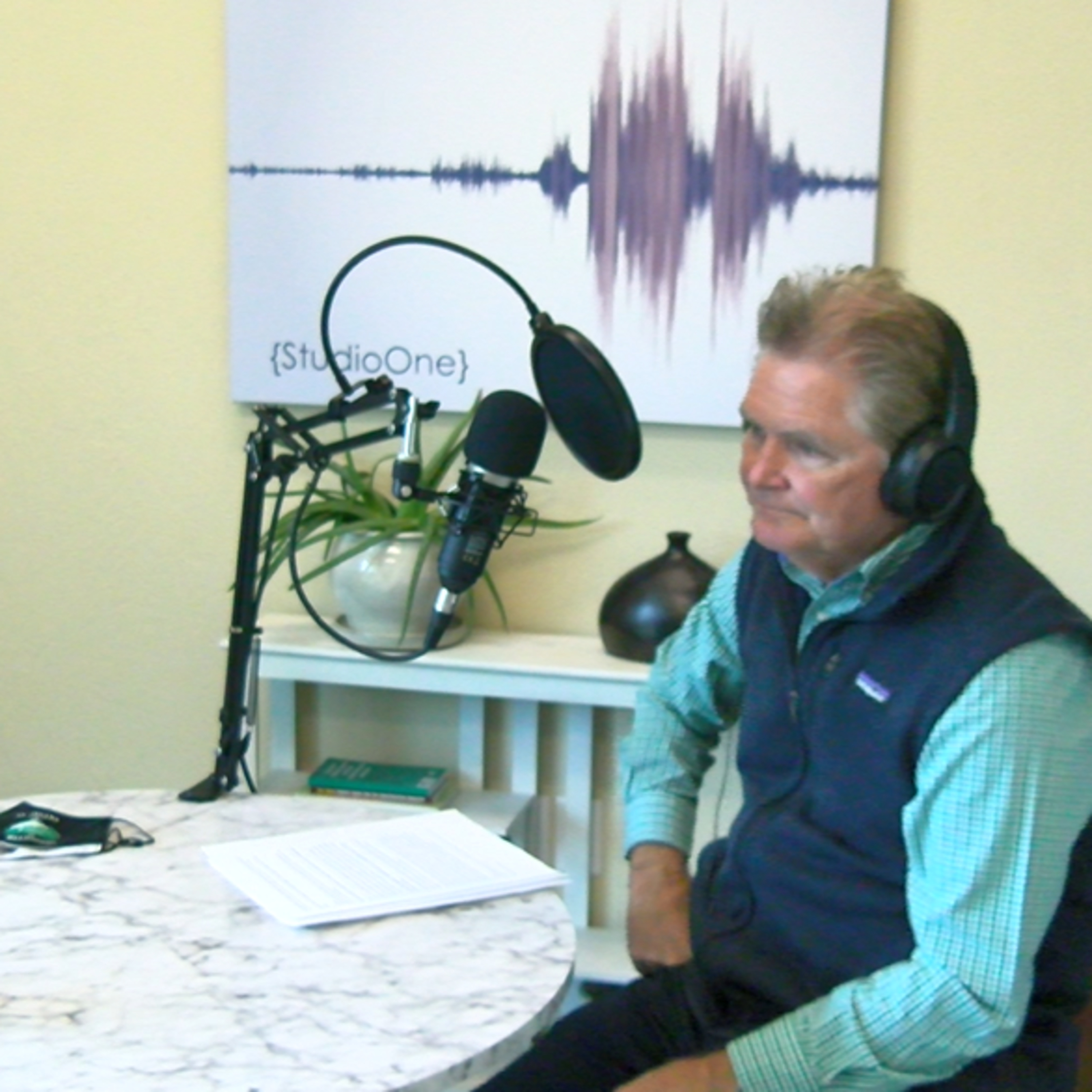
This episode is brought to you by Century Insurance. Century Insurance is an 8 plus rated mutual insurance company specializing in providing all lines of insurance protection for artists and and trade contractors through a very limited number of select agency partners like Rancho Mesa Insurance. Hi, this is Melissa Burley with Rancho Mesa's Media Communications and Client Services Department. Thank you for listening to today's top Rancho Mesa News brought to you by our Safety and Risk Management Network Studio One.
Welcome back everyone. My guest today is Matt Gaynor, Director of the Shirdi Department at Rancho Mesa. Today we're going to talk about Bondability Letters. Matt, welcome to the show.
Great to be back in the studio, Melissa. I like what you've done with the place. A significant portion of our clients are in the construction industry where they may be required to purchase bonds for their projects. Matt and I have discussed bonds a few times on this podcast, so let's talk about Bondability Letters.
Matt, will you give us a brief overview of a situation when a contractor may need a Bondability Letter? Sure, in the normal process of bidding a construction project, our contract clients are required to post a 10% bid bond. The guarantee they will execute and deliver a signed contract along with 100% performance and payment bonds if they were awarded the project. While this is a requirement for public projects, bid bonds have also become more prevalent for certain private projects.
So if you think about it, the bid bond acts as a pre-qualification by a third party, which is the Bond Company. By proving to require bid bond, the Shirdi Company provides their stamp of approval that they've reviewed the bidding documents and are willing to support the contractor for that specific project. Now on certain occasions, the owners and general contractors will require a less formal Shirdi pre-qualification in a form of the letter of bondability. Although the owner or general contractor requesting the letter does not have the 10% guarantee provided by a bid bond, the letter of bondability can be issued rather quickly to let the owner know that a bond program is in place for the bidding contractor.
If this contractor is deemed to be the low and responsible bidder by the general contractor, once again they know in advance the contractor has been through a third party pre-qualification by the Shirdi Company. So the Bondability Letter is in lieu of the 10% bid bond, but it just confirms the contractor is able to get a bond should they win the bid. That's correct, Alyssa. What kind of information is included on the Bondability Letter?
This document is normally issued by the bonding agent and contains the following, the name of the current Shirdi carrier, the invest rating, treasury listing, and length of relationship. It also includes the approved single and aggregate program bonding amounts. Is there any real difference in the wording on a bondability letter than what you would find on a bid bond? Yes, there's key wording that reads, the issuance of Shirdi credit is a matter between the principal, which is the contractor and the Shirdi.
It continues, we assume no liability to you or any other third party if for any reason we do not execute said bonds. So this seems like an important distinction, but getting a Bondability letter would be something similar to a pre-approval letter if you were to buy a house. The bank hasn't underwritten the loan actually yet, but based on past experiences and or your credit score, they're willing to say they're confident in the borrower or in this case the contractor. That's a very good comparison.
So how common is it that a Shirdi Company is unwilling to provide a bond after issuing a Bondability letter? So this wording is important because unlike a bid bond, Shirdi Company does not have an obligation to provide final bonds if their principal is awarded the contract. While this rarely happens, the Bond Company will need to review additional information, which would include the full contract and project financing before they agree to provide performance and payment bonds in support of a project. For example, the contractor of the Bond form may contain onerous wording that the Shirdi Company is not willing to support.
That makes sense. They can't agree to something they haven't read yet. Exactly. I think you might have a future in Shirdi.
So Matt, if listeners have questions about a Bondability letter, what is the best way to get in touch with you? I can be reached at 619-937-0165 or mgainer at rancho mason.com. Matt, thank you for joining me in Studio One. Thanks, Alyssa.
Always appreciate the opportunity. This is Alyssa Burley with Rancho Mesa. Thanks for tuning in to our latest episode produced by Studio One. For more information, visit us at rancho mason.com and subscribe to our weekly newsletter.