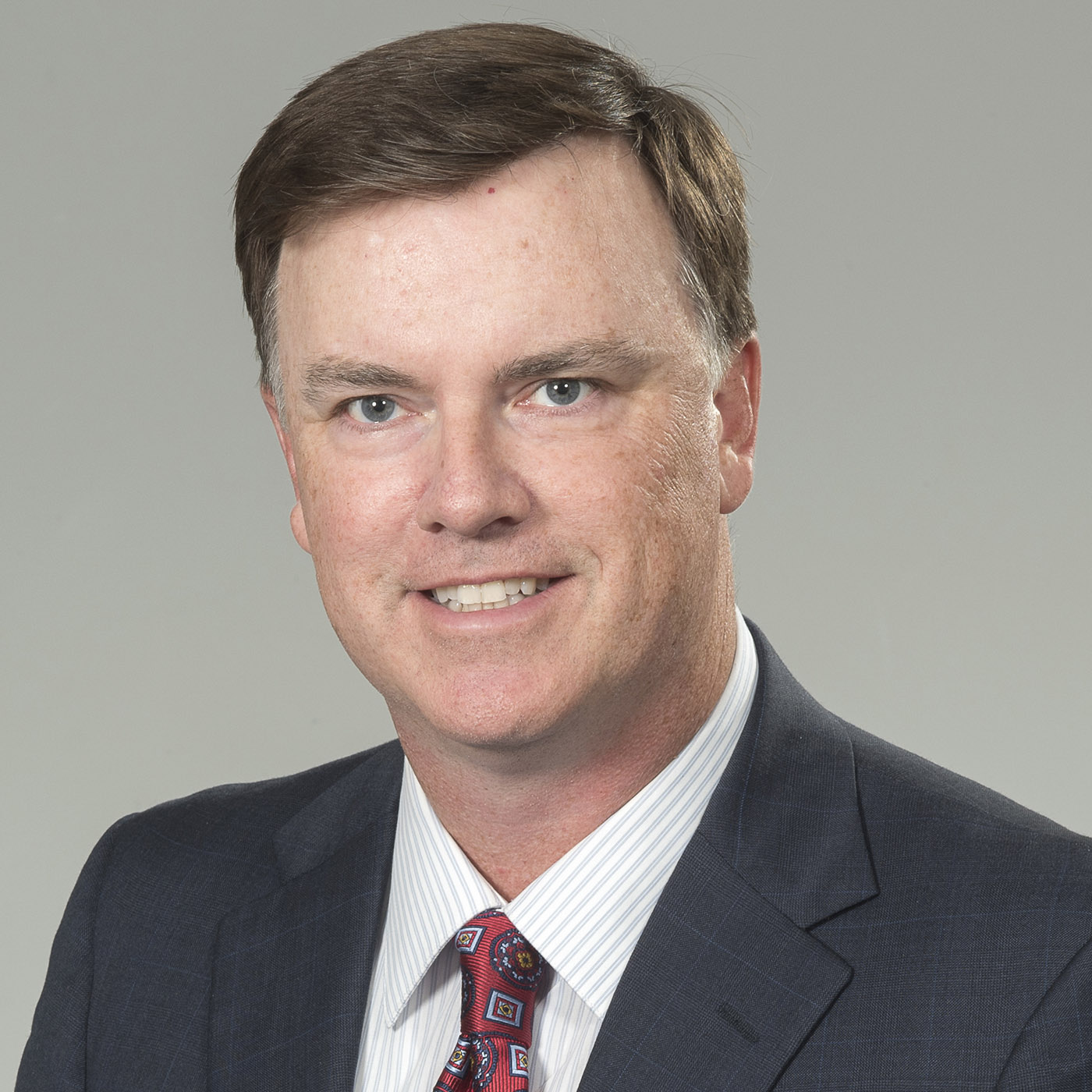
EP343: What Provider Leadership Teams Need to Know to Operationalize Value-Based Care, With David Carmouche, MD episode artwork

EPISODE · Oct 28, 2021 · 30 MIN

EP343: What Provider Leadership Teams Need to Know to Operationalize Value-Based Care, With David Carmouche, MD

from Relentless Health Value

Most people who have been in the healthcare industry for a while have heard by now the metaphor about the two canoes. Provider organizations or health systems with some of their payments coming from a fee-for-service (FFS) payment model and some of them coming from value-based arrangements have the challenge of one foot in the FFS canoe and one foot in the value-based canoe. They're probably going through a lot of metaphorical pants is the main takeaway that often comes to mind for me. But wardrobe malfunctions aside, this is a really difficult organizational challenge. That's what I'm talking about in this healthcare podcast with Dr. David Carmouche: how to deal with the operational challenges, the cultural challenges, maybe even (very arguably) the generational challenges here. Top line (very top line), to succeed in value-based care, you gotta have three things aligned: The payment model, the construct of the contract. No kidding, you have to have value-based contracts to succeed in value-based care. The big problem here—which is not to be underestimated—is that there are some areas of the country where it's really tough to find somebody, or enough somebodies, willing to offer a capitated, prospective value-based contract. That would be really frustrating to want to go forward (if you're a provider) in a value-based way but to not have a willing payer partner and/or employer partner to do so. So please step up, payers, policy makers, and employers in those areas of the country. But the construct of the value-based contracts can also not be overlooked. Toward the end of this interview, Dr. Carmouche gets into the different results that were achieved between two patient populations: one served by a Medicare Advantage (MA) plan and one in an MSSP (Medicare Shared Savings Program) model. So, the same provider network, the same environment, same geography, same number of lives, different payment model. Stick around for that part of the conversation. It's pretty eye-opening. The second of the three things to be aligned to be successful in value-based care are physician/administrative incentives and the employment models. Seriously, who is thinking that anyone's gonna succeed managing downstream risk when the physicians making the decisions about downstream services used are bonused by how much downstream costs they can drive and everyone is eating what they kill? If culture eats strategy for breakfast, incentives eat culture for lunch, as they say. Leadership skills. Leaders who are going to succeed in a world moving from FFS to VBC have to be mission driven toward that cause. They have to be strategic enough in their approach to take potential short-term revenue hits in pursuit of the longer-term goal—even the medium-term goal, honestly, if you think about the whole context of what's going on here. Leaders also need the skill and aptitude to pull off the change management and adjustments to the organizational culture that are needed. Staffs and teams really need systematic support. Value-based care is a team sport, and teams require leadership. Here's one example of where not having great leadership trickles down to bad results: If nurses or social workers or, in general, people of color or women in an organization feel demeaned or not valued by a critical mass of those in power—and maybe here I mean physicians or other physicians that they work with—then patient safety scores diminish and quality goes down. There's enough studies on the impact of having and not having psychological safety that it's getting harder to dispute what I just said. And if this environment becomes as toxic as the stories that you read about often enough, that's on the C-suite to fix. If the C-suite has value-based aspirations, that C-suite really might want to reprioritize their to-do lists. So, think about stuff like this because toxic environments make consistently delivering high-value care and satisfied patients difficult at best for many reasons. Here's a timely side note: I heard someone say the other day that in light of the pandemic and the FFS inpatient and outpatient volume fluctuations that plummeted and rose at various points during the pandemic, compounded with Medicare FFS rates that some institutions claim are not profitable or profitable enough … someone said that, given these factors, the best way to de-risk is to take on more risk. That's interesting to think about on a number of levels. In this healthcare podcast, as I mentioned, I'm talking about all this and more with Dr. David Carmouche. Dr. Carmouche was recently the executive vice president of value-based care and network operations at Ochsner, which is a very big integrated delivery network in Louisiana. You heard it here first, folks, but Dr. Carmouche will take on a new role in November 2021. He will oversee Walmart's expanding clinical care offerings and operations, including Walmart Health MeMD and its social determinants of health line of business. Here's a quote from the announcement about Dr. Carmouche's move that I thought was interesting: "Connecting with patients in more places and creating a seamless, personalized patient experience is a crucial component in the new healthcare environment, and a space where Ochsner—as well as retail leaders like Walmart—will continue to invest." Dr. Carmouche has been on this podcast before (EP316 and AEE15), so if you'd like to hear more from him, go back and listen to those two shows.   Also, if you're looking for another episode that digs into the importance of leadership, listen to the one two weeks ago with Gary Campbell (EP341).   You can learn more by visiting Dr. Carmouche's LinkedIn page or by reading From Competition to Collaboration by Tracy Duberman and Robert Sachs.  David Carmouche, MD, views healthcare from three distinct perspectives: as a physician provider, an executive for an insurance company, and as a leader in a health system. Specifically, he built a large, multidisciplinary internal medicine and preventive cardiology practice in Louisiana; served as the chief medical officer for Blue Cross Blue Shield of Louisiana; and has a triad of responsibilities with Ochsner Health, the largest nonprofit academic healthcare system in the Gulf South. He was promoted to serve as executive vice president of value-based care and network operations in addition to his duties as president of the Ochsner Health Network and executive director of the Ochsner Accountable Care Network. He is known as an expert in value-based care. He led one of the top 15 performing accountable care organizations in the United States, managing billions in care spend and generating millions in year-over-year shared savings. Dr. Carmouche earned a bachelor's degree from Tulane University and a medical degree from Louisiana State University School of Medicine in New Orleans. He completed his residency in internal medicine at the University of Alabama at Birmingham. 06:31 How do you operationally deal with conflicting FFS and VBC processes? 07:23 "It's pretty clear in Medicare that our strategy in the future … is one of value." 11:31 "I think a bigger challenge, though, is that in many markets, there are just no opportunities to have experienced value-based care." 13:18 "How do we engage in collaborative relationships that would allow us to move into value?" 14:01 "No one wants to rush through their day in a series of seven-minute visits." 15:53 "In a fee-for-service environment … you're forced to bring people into the office to create an encounter who don't necessarily need to be there." 19:22 "We haven't really changed how we select and train physicians … in the last hundred years." 20:32 "We, as physicians, were taught to be accountable for outcomes; and we create probably an unnecessary and unfair burden on ourselves." 21:30 "In the value-based care world, a physician does have to recast themselves as part of a team." 22:30 "It is an enormous cultural shift … but ultimately, it's one that the facts … mandate." 26:58 "You have to have a compelling vision and belief that value-based care offers benefits to all of the actors in the healthcare ecosystem." 27:24 "You have to be able to communicate effectively across sectors." 27:43 "You have to have courage." 28:29 What are the leadership skills required to make value-based care work? You can learn more by visiting Dr. Carmouche's LinkedIn page or by reading From Competition to Collaboration by Tracy Duberman and Robert Sachs.  @CarmoucheMd discusses #vbc on our #healthcarepodcast. #healthcare #podcast #digitalhealth #valuebasedcare How do you operationally deal with conflicting FFS and VBC processes? @CarmoucheMd discusses #vbc on our #healthcarepodcast. #healthcare #podcast #digitalhealth #valuebasedcare "It's pretty clear in Medicare that our strategy in the future … is one of value." @CarmoucheMd discusses #vbc on our #healthcarepodcast. #healthcare #podcast #digitalhealth #valuebasedcare "I think a bigger challenge, though, is that in many markets, there are just no opportunities to have experienced value-based care." @CarmoucheMd discusses #vbc on our #healthcarepodcast. #healthcare #podcast #digitalhealth #valuebasedcare "How do we engage in collaborative relationships that would allow us to move into value?" @CarmoucheMd discusses #vbc on our #healthcarepodcast. #healthcare #podcast #digitalhealth #valuebasedcare "No one wants to rush through their day in a series of seven-minute visits." @CarmoucheMd discusses #vbc on our #healthcarepodcast. #healthcare #podcast #digitalhealth #valuebasedcare "In a fee-for-service environment … you're forced to bring people into the office to create an encounter who don't necessarily need to be there." @CarmoucheMd discusses #vbc on our #healthcarepodcast. #healthcare #podcast #digitalhealth #valuebasedcare "We haven't really changed how we select and train physicians … in the last hundred years." @CarmoucheMd discusses #vbc on our #healthcarepodcast. #healthcare #podcast #digitalhealth #valuebasedcare "We, as physicians, were taught to be accountable for outcomes; and we create probably an unnecessary and unfair burden on ourselves." @CarmoucheMd discusses #vbc on our #healthcarepodcast. #healthcare #podcast #digitalhealth #valuebasedcare "In the value-based care world, a physician does have to recast themselves as part of a team." @CarmoucheMd discusses #vbc on our #healthcarepodcast. #healthcare #podcast #digitalhealth #valuebasedcare "It is an enormous cultural shift … but ultimately, it's one that the facts … mandate." @CarmoucheMd discusses #vbc on our #healthcarepodcast. #healthcare #podcast #digitalhealth #valuebasedcare "You have to have a compelling vision and belief that value-based care offers benefits to all of the actors in the healthcare ecosystem." @CarmoucheMd discusses #vbc on our #healthcarepodcast. #healthcare #podcast #digitalhealth #valuebasedcare "You have to be able to communicate effectively across all platforms." @CarmoucheMd discusses #vbc on our #healthcarepodcast. #healthcare #podcast #digitalhealth #valuebasedcare What are the leadership skills required to make value-based care work? @CarmoucheMd discusses #vbc on our #healthcarepodcast. #healthcare #podcast #digitalhealth #valuebasedcare Recent past interviews: Click a guest's name for their latest RHV episode! Christin Deacon, Gary Campbell, Kristin Begley, David Contorno (AEE17), David Contorno (EP339), Nikki King, Olivia Webb, Brandon Weber, Stacey Richter (INBW30), Brian Klepper (AEE16), Brian Klepper (EP335), Sunita Desai, Care Plans vs Real World (EP333), Dr Tony DiGioia, Al Lewis, John Marchica, Joe Connolly, Marshall Allen, Andrew Eye, Naomi Fried, Dr Rishi Wadhera, Dr Mai Pham, Nicole Bradberry and Kelly Conroy, Lee Lewis, Dr Arshad Rahim, Dr Monica Lypson, Dr Rich Klasco, Dr David Carmouche (AEE15)

NOW PLAYING

EP343: What Provider Leadership Teams Need to Know to Operationalize Value-Based Care, With David Carmouche, MD

0:00 30:10

No transcript for this episode yet

We transcribe on demand. Request one and we'll notify you when it's ready — usually under 10 minutes.

Eat to Live Jenna Fuhrman, Dr. Fuhrman Our health is our most precious gift and smart nutrition can change your life. Each month, join Dr. Fuhrman and his daughter, Jenna Fuhrman as they discuss important topics in the world of nutrition. Eat to Live will change the way you eat and think about food. Kaizen Blueprint Aldo Chandra "Kaizen" is a Japanese term for continuous improvement. This podcast provides a blueprint to learn about health, wealth, relationships and everything else in between. Through our podcast, we strive to inspire, educate, and motivate our audience to cultivate a mindset of lifelong learning, productivity, and personal development. By sharing insights, strategies, and practical tips, we aim to guide listeners on their journey towards realizing their fullest potential, fostering success, and creating lasting positive change. PodSights Health & Wellness podsights.ai Transform your wellbeing journey. Get trusted, evidence-based answers to your health, fitness, and mental wellness questions. Make informed decisions about your health. Visit podsights.ai to create your own wellness podcast. Tips, News and Stories for Older Adults Esther C Kane CAPS, C.D.S. "Tips, News, and Stories for Older Adults" delivers weekly insights tailored for seniors. We bring you summaries of curated news, practical advice, and inspiring stories that matter to the 55+ community. From health and finance to technology and lifestyle, our content keeps you informed and engaged. Sourced from trusted outlets, each episode offers valuable information for navigating your golden years. Join us as we explore aging with positivity, wisdom, and engaging stories. Your perfect companion for staying active, learning, and embracing life's later chapters.

Frequently Asked Questions

How long is this episode of Relentless Health Value?

This episode is 30 minutes long.

When was this Relentless Health Value episode published?

This episode was published on October 28, 2021.

What is this episode about?

Most people who have been in the healthcare industry for a while have heard by now the metaphor about the two canoes. Provider organizations or health systems with some of their payments coming from a fee-for-service (FFS) payment model and some of...

Can I download this Relentless Health Value episode?

Yes, you can download this episode by clicking the download button on the episode player, or subscribe to the podcast in your preferred podcast app for automatic downloads.
URL copied to clipboard!