
EPISODE · Sep 2, 2026 · 3 MIN
Epigenetic Inheritance
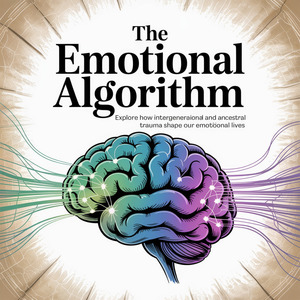
When we talk about the stories that shape us, we usually think about our childhood, our relationships, and the choices we’ve made along the way. But what if part of that story began long before we were born? In this episode, we’re exploring epigenetic inheritance, a fascinating concept that helps explain how stress, trauma, and survival patterns can echo across generations. It sits at the crossroads of emotional psychology, neuroscience, and family history, and it invites us to think differently about healing. At its core, epigenetic inheritance is about how life experiences can influence the way genes are expressed without changing the DNA itself. Think of DNA as the script and epigenetics as the stage directions. The script may stay the same, but the way it is read and performed can shift depending on the environment. Research in neuroscience and biology suggests that chronic stress, trauma, neglect, and even periods of safety and support can leave marks on the body that affect how we respond to the world. This doesn’t mean trauma is destiny. It means our nervous systems are responsive, adaptive, and deeply shaped by experience. This idea helps make sense of intergenerational trauma and ancestral trauma. Families do not pass down pain only through stories or behavior, though that certainly happens. They also pass down emotional climates, coping strategies, beliefs about safety, and patterns of regulation or dysregulation. A parent who grew up in fear may become hypervigilant, emotionally distant, or overly controlling, not because they are broken, but because their nervous system learned to survive. Those patterns can shape the emotional world of the next generation, who may then inherit both the burden and the blueprint of survival. Neuroscience gives us an important lens here. Emotions are not just feelings floating in the mind; they are embodied states involving the brain, nervous system, hormones, and memory networks. When stress is prolonged, the brain can become more sensitive to threat and less able to relax into safety. Over time, that can affect sleep, mood, concentration, relationships, and even physical health. But the same science that shows how trauma is stored also shows that the brain is plastic. In other words, it can change. New experiences of safety, connection, therapy, mindfulness, and supportive relationships can help rewire old patterns. That is where healing inherited patterns becomes so meaningful. Healing does not always mean uncovering every detail of the past. Sometimes it means learning to notice what your body is holding, understanding the emotional rules you grew up with, and gently questioning what was survival then but no longer serves you now. It can mean building new habits of regulation, naming emotions with compassion, and creating relationships where honesty and safety can coexist. In many ways, healing is both personal and relational. When one person begins to respond differently, the ripple can extend outward into a family system. Epigenetic inheritance reminds us that we are shaped by what came before, but we are not trapped by it. We carry echoes, yes, but we also carry possibility. The legacy of trauma is real, yet so is the legacy of repair. And that may be the most hopeful truth of all: the patterns passed down through generations can be understood, softened, and transformed. Healing is not about erasing the past. It is about helping the future feel different. Next step: Rewrite Your Emotional Legacy With The Generational Algorithm — https://www.poddyhost.com/go/5826?src=rss
Embed this episode
Ready to play
Epigenetic Inheritance
No transcript for this episode yet
Similar Episodes
No similar episodes found.
Similar Podcasts
No similar podcasts found.