
EPISODE · Sep 23, 2026 · 3 MIN
Epigenetics and Trauma
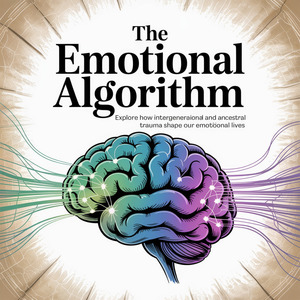
When people hear the phrase epigenetics and trauma , it can sound technical, even intimidating. But at its core, this conversation is about something deeply human: how stress, pain, and survival experiences can shape not only our lives, but sometimes the way future generations respond to the world. In this episode, we’re exploring the connection between intergenerational trauma, emotional psychology, and the neuroscience of healing—because understanding what we’ve inherited can be the first step toward changing what we pass on. One of the most important ideas in this conversation is that trauma is not only a story we tell about the past. It is also a lived experience in the body and brain. When someone goes through chronic stress, abuse, neglect, war, displacement, or other overwhelming experiences, the nervous system adapts to survive. That survival response can include hypervigilance, emotional shutdown, difficulty trusting, or feeling constantly on edge. These patterns are not signs of weakness. They are the brain and body doing their best to protect us in unsafe conditions. Epigenetics helps explain why these effects can appear to echo across generations. Unlike genetics alone, which refers to the DNA sequence itself, epigenetics describes how life experiences can influence whether certain genes are turned up or down. In other words, trauma does not rewrite the genetic code, but it can affect how the body reads and responds to that code. Research suggests that severe stress can leave biological marks associated with altered stress regulation, inflammation, and emotional reactivity. This doesn’t mean trauma is destiny. It means the nervous system is responsive, adaptable, and shaped by environment in ways we’re only beginning to understand. Another key piece is the emotional inheritance families carry. Sometimes what gets passed down is not a specific memory, but a pattern: silence around pain, fear of vulnerability, a need to stay in control, or a tendency to disconnect from feelings altogether. Children are incredibly sensitive to emotional climates. They absorb tone, tension, and unspoken rules long before they can name them. A parent who grew up in chaos may become rigid. A grandparent who survived loss may teach emotional restraint as a form of safety. These adaptations may have once been protective, but over time they can become limiting if they are never questioned. The hopeful part of this story is that healing is also transmitted. The brain is plastic, which means it can change with new experiences. Safe relationships, therapy, body-based practices, mindfulness, and compassionate self-awareness can help regulate the nervous system and create new emotional patterns. Healing inherited trauma does not require blaming previous generations. It asks us to understand them with more nuance, while also choosing something different for ourselves. That might look like setting boundaries, learning to name feelings, or simply noticing when an old fear is speaking louder than the present moment. So when we talk about epigenetics and trauma , we’re not talking about a life sentence. We’re talking about influence, adaptation, and possibility. We inherit burdens, yes—but we also inherit resilience, creativity, and the capacity to heal. By learning how trauma lives in the body and how emotions shape the brain, we open the door to breaking cycles with awareness and care. And that may be one of the most powerful forms of healing there is. Next step: Rewrite Your Emotional Legacy With The Generational Algorithm — https://www.poddyhost.com/go/6543?src=rss
Embed this episode
Ready to play
Epigenetics and Trauma
No transcript for this episode yet
Similar Episodes
No similar episodes found.
Similar Podcasts
No similar podcasts found.