
EPISODE · Nov 19, 2025 · 1H 4M
How Nature's Filtration System Protects Water, Life, and Culture
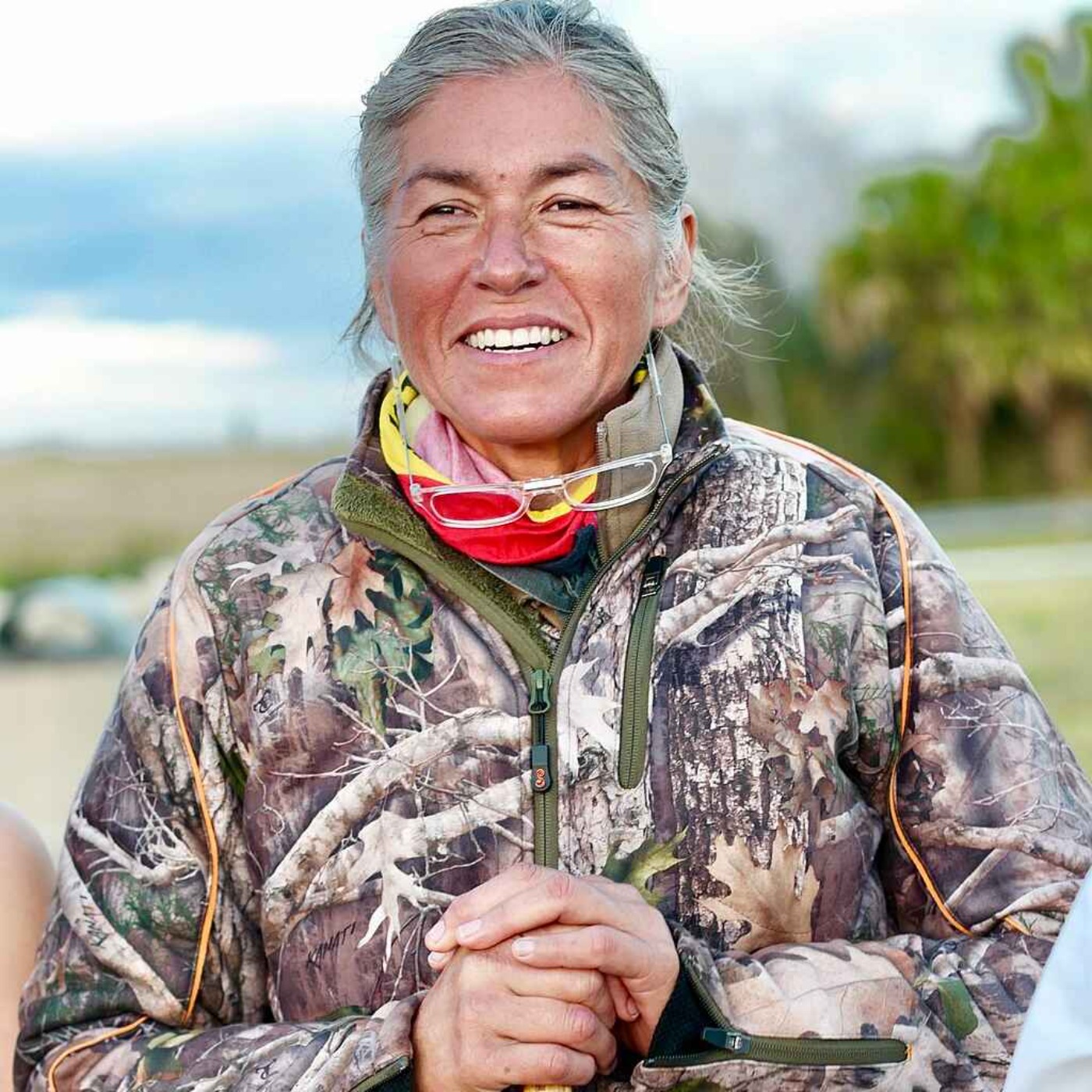
Betty Osceola (Miccosukee, Panther Clan) grounds us in the spectacular land and life of the Everglades in this visit with host Kahstoserakwathe. She explains how the region’s natural filtration system protects fresh water for millions, carries cultural memory for the Miccosukee Tribe of Indians of Florida, and sustains plant, animal, and water relatives.Betty is well known for her prayer walks that became especially urgent when the cruelty of the “Alligator Alcatraz” outdoor immigrant detention camp surfaced last summer on traditional homelands in South Florida, and her research is instrumental in ongoing lawsuits around the facility. She says our struggle for equitable treatment cannot be separated from the health and well-being of the natural world.Betty spent decades living what environmental justice looks like from an Indigenous perspective: caring for water as kin, community mobilization as a responsibility, and finding joy in walking, guiding, laughing, and listening. She asks us to consider how we reconnect to our own sources of care and to show up when the land says it needs us. This conversation is a clear invitation to walk our lands and raise our voices to protect the natural world and the humanity of our hearts. Stay to the end for her cute stories about mama ‘gators and their babies. Key Takeaways from Our Conversation with Betty Osceola1. The Everglades is a living relative, not a resource.Betty reminds us that the River of Grass is alive, speaking, and essential for the fresh water that sustains millions of people. Protecting it is not just an environmental act; it is a kinship responsibility. The "river" is a slow-moving sheet of water, full of swamp grasses, that flows from Lake Okeechobee to Florida Bay, moving only about a quarter-mile per day.2. Ceremony is a form of resistance.Through prayer walks and gatherings, Betty and her community practice ceremony as a form of activism. Each step, song, and offering re-centers human presence within a network of life that has been disrupted by extraction and control.3. Alligator Alcatraz is part of a larger pattern.Betty describes the proposed detention facility as one more example of how industrial and political systems see Indigenous land as empty or disposable. Her organizing through prayer, education, and direct presence helped bring national attention and legal action to pause construction.4. Environmental justice and Indigenous rights are inseparable.The conversation links the Miccosukee Tribe’s struggle for full federal recognition with the broader movement to restore balance between governance, ecology, and Indigenous sovereignty. Justice begins when Indigenous knowledge leads.5. Joy and community are forms of survival.Even amid ongoing fights for land and water, Betty’s stories centre laughter, family, and collective prayer. Joy is not a distraction from struggle; it is what keeps the work alive.Photo by Lisette Morales, CC BY-SA 4.0 <https://creativecommons.org/licenses/by-sa/4.0>, via Wikimedia Commons Hosted on Acast. See acast.com/privacy for more information.
Embed this episode
Ready to play
How Nature's Filtration System Protects Water, Life, and Culture
No transcript for this episode yet
Similar Episodes
No similar episodes found.
Similar Podcasts
No similar podcasts found.