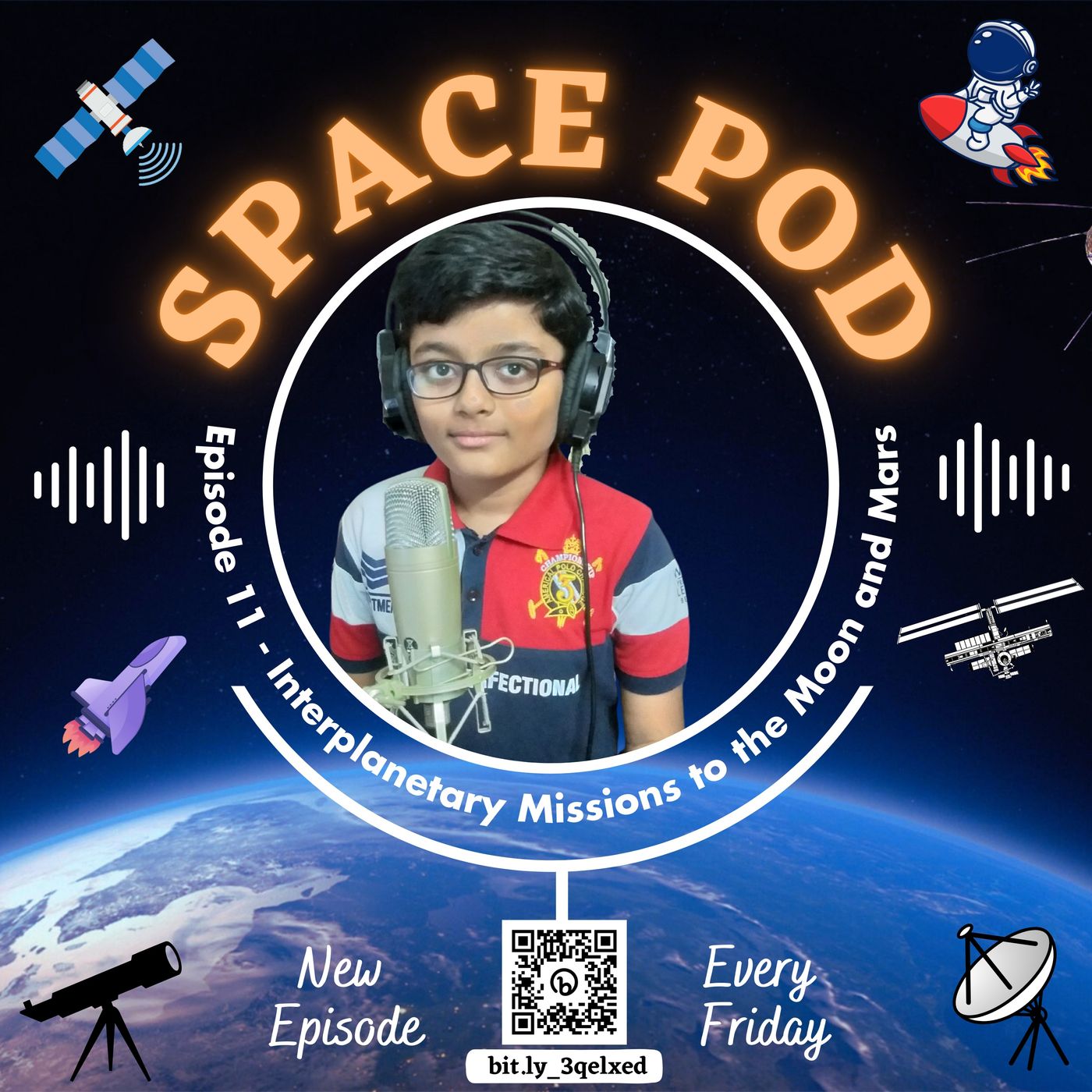
Episode 11 - Interplanetary Missions to the Moon and Mars - Part 2 episode artwork

EPISODE · Aug 18, 2023 · 32 MIN

Episode 11 - Interplanetary Missions to the Moon and Mars - Part 2

from Space POD (Space Technologies and Exploration) · host VENKAT RAMAN PATNAIK

Check out my latest episode!While there has been significant progress in the field of space exploration, including plans and discussions for potential Mars missions, no crewed mission to Mars has taken place yet. Here are some of the major challenges associated with sending humans to Mars:Distance and Travel Time: Mars is an average distance of about 225 million kilometers (140 million miles) away from Earth. The travel time to Mars varies depending on the alignment of the two planets, but it typically takes around 6 to 9 months one-way using current propulsion technology. This poses challenges in terms of spacecraft design, life support systems, and the health of the astronauts during the long journey.Radiation Exposure: Space travel exposes astronauts to higher levels of radiation compared to what they experience on Earth due to the lack of a protective atmosphere and magnetic field in space. The journey to Mars and the extended stay on the planet's surface could significantly increase the astronauts' risk of developing health issues related to radiation exposure, including cancer and other long-term health problems.Microgravity Effects: The microgravity environment of space can lead to various health problems in astronauts, such as muscle and bone loss, cardiovascular issues, and changes in vision. These effects can be particularly problematic during the long duration of a Mars mission.Life Support Systems: Developing reliable life support systems that can sustain a crew for the duration of the mission is crucial. This includes providing astronauts with breathable air, clean water, and sufficient food. Recycling and managing resources efficiently in a closed environment are essential for long-term missions.Entry, Descent, and Landing (EDL): Successfully landing a spacecraft on Mars is a daunting challenge due to the planet's thin atmosphere and the need to slow down a fast-moving spacecraft during the descent. The complex EDL process requires advanced heat shield technology, precise navigation, and reliable landing mechanisms.Surface Operations: Surviving and thriving on Mars' harsh surface environment presents additional challenges. The planet's thin atmosphere and extreme temperatures require specially designed habitats and spacesuits to protect astronauts from radiation, cold temperatures, and dust storms.#MarsMission #MarsColonization #DiscoveringMars #SpaceDiscovery #NewFrontiers #MissionSuccess #SpaceEngineering #Mars2020 #MarsSamples #AstronautsOnMars #RedPlanetResearch #MarsSurface #JourneyToMars #CosmicExploration #MartianLandscape #SpaceFuture #BeyondTheStars #SpaceTravel #MarsScience #MartianAdventures #MarsRocks #SpaceMission #MarsSociety #ExplorationGoals #SpaceTechnology #RedPlanetRovers #MarsBase #ColonizingMars #MarsMysteries #CosmicJourney #UniverseBeyond #BeyondTheHorizon #MarsHabitat #ExtraterrestrialLife #Astrobiology #MarsExpedition #SpaceInnovation #MarsMissionAccomplished

Check out my latest episode!While there has been significant progress in the field of space exploration, including plans and discussions for potential Mars missions, no crewed mission to Mars has taken place yet. Here are some of the major challenges associated with sending humans to Mars:Distance and Travel Time: Mars is an average distance of about 225 million kilometers (140 million miles) away from Earth. The travel time to Mars varies depending on the alignment of the two planets, but it typically takes around 6 to 9 months one-way using current propulsion technology. This poses challenges in terms of spacecraft design, life support systems, and the health of the astronauts during the long journey.Radiation Exposure: Space travel exposes astronauts to higher levels of radiation compared to what they experience on Earth due to the lack of a protective atmosphere and magnetic field in space. The journey to Mars and the extended stay on the planet's surface could significantly increase the astronauts' risk of developing health issues related to radiation exposure, including cancer and other long-term health problems.Microgravity Effects: The microgravity environment of space can lead to various health problems in astronauts, such as muscle and bone loss, cardiovascular issues, and changes in vision. These effects can be particularly problematic during the long duration of a Mars mission.Life Support Systems: Developing reliable life support systems that can sustain a crew for the duration of the mission is crucial. This includes providing astronauts with breathable air, clean water, and sufficient food. Recycling and managing resources efficiently in a closed environment are essential for long-term missions.Entry, Descent, and Landing (EDL): Successfully landing a spacecraft on Mars is a daunting challenge due to the planet's thin atmosphere and the need to slow down a fast-moving spacecraft during the descent. The complex EDL process requires advanced heat shield technology, precise navigation, and reliable landing mechanisms.Surface Operations: Surviving and thriving on Mars' harsh surface environment presents additional challenges. The planet's thin atmosphere and extreme temperatures require specially designed habitats and spacesuits to protect astronauts from radiation, cold temperatures, and dust storms.#MarsMission #MarsColonization #DiscoveringMars #SpaceDiscovery #NewFrontiers #MissionSuccess #SpaceEngineering #Mars2020 #MarsSamples #AstronautsOnMars #RedPlanetResearch #MarsSurface #JourneyToMars #CosmicExploration #MartianLandscape #SpaceFuture #BeyondTheStars #SpaceTravel #MarsScience #MartianAdventures #MarsRocks #SpaceMission #MarsSociety #ExplorationGoals #SpaceTechnology #RedPlanetRovers #MarsBase #ColonizingMars #MarsMysteries #CosmicJourney #UniverseBeyond #BeyondTheHorizon #MarsHabitat #ExtraterrestrialLife #Astrobiology #MarsExpedition #SpaceInnovation #MarsMissionAccomplished

NOW PLAYING

Episode 11 - Interplanetary Missions to the Moon and Mars - Part 2

0:00 32:10

No transcript for this episode yet

We transcribe on demand. Request one and we'll notify you when it's ready — usually under 10 minutes.

MG Show MG Show The MG Show, hosted by Jeffrey Pedersen and Shannon Townsend, is a leading alternative media platform dedicated to uncovering the truth behind today’s most pressing political issues. Launched in 2019, the show has grown exponentially, offering unfiltered insights, comprehensive research, and real-time analysis. With a commitment to independent journalism and factual integrity, the MG Show empowers its audience with knowledge and encourages active participation in the political discourse. Breaking News Show | eTurboNews Juergen Thomas Steinmetz News is relevant to the global travel and tourism industry, human rights and global issues.Breaking news when it happens and only from the source. Eat to Live Jenna Fuhrman, Dr. Fuhrman Our health is our most precious gift and smart nutrition can change your life. Each month, join Dr. Fuhrman and his daughter, Jenna Fuhrman as they discuss important topics in the world of nutrition. Eat to Live will change the way you eat and think about food. French Your Way Jessica: Native French teacher founder of French Your Way Boost your French listening skills and test your comprehension with this one of a kind series of podcasts. Get the chance to listen to a real conversation between native speakers talking at normal speed AND customise your learning experience through carefully designed sets of questions (2 levels of difficulty) available for download at www.frenchvoicespodcast.com. All interviews also come with the transcript. French teacher Jessica interviews native speakers of French from around the world who share a bit of their life and passion. Where else would you meet in one same place a French yoga teacher based in Melbourne, a soap manufacturer from Provence, or a couple cycling around the world?

Frequently Asked Questions

How long is this episode of Space POD (Space Technologies and Exploration)?

This episode is 32 minutes long.

When was this Space POD (Space Technologies and Exploration) episode published?

This episode was published on August 18, 2023.

What is this episode about?

Check out my latest episode!While there has been significant progress in the field of space exploration, including plans and discussions for potential Mars missions, no crewed mission to Mars has taken place yet. Here are some of the major...

Can I download this Space POD (Space Technologies and Exploration) episode?

Yes, you can download this episode by clicking the download button on the episode player, or subscribe to the podcast in your preferred podcast app for automatic downloads.
URL copied to clipboard!