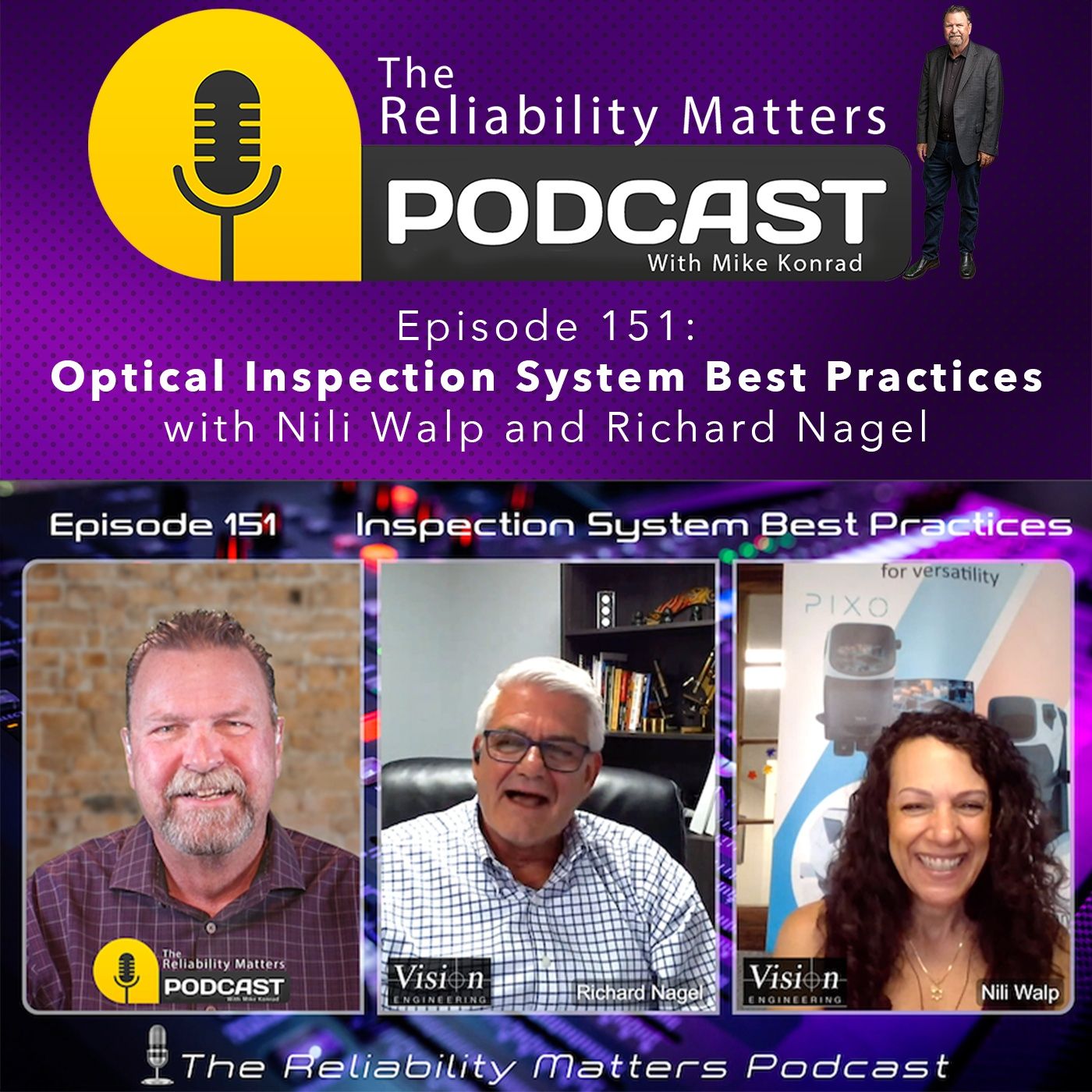
Episode 151: Optical Inspection System Best Practices episode artwork

EPISODE · Sep 10, 2024 · 58 MIN

Episode 151: Optical Inspection System Best Practices

from Reliability Matters · host Mike Konrad

Two episodes ago, episode 149, we talked all about automated optical inspection. Today we're exploring the impact of less automated inspection Technology, that being optical microscopes.From commercial, class 1 electronics to high reliability class 3 electronics, the intricate electronic devices we rely on daily are assembled with astonishing precision. This precision wouldn't be possible without the aid of advanced optical microscopes. These remarkable instruments allow technicians and engineers to inspect, analyze, and ensure the quality of electronic components down to the minutest detail.In this episode, we'll uncover how optical microscopes have impacted electronic assembly, enhancing productivity, ensuring reliability, and driving innovation. One of the unique benefits microscopes provide, particularly in hand soldering applications, is the ability to view and solder the assembly under high magnification through the microscope. Obviously, this is not something any AOI system can perform.But microscopes are not limited to soldering applications. One of the most critical applications of optical microscopes in the electronic assembly industry is the inspection of circuit assemblies for quality assurance. Circuit assemblies are the heart of many products, comprising numerous, highly miniaturized components and connections that must be flawlessly integrated. Even the smallest defect, such as a microscopic crack or an improperly soldered joint, can lead to significant malfunctions or failures.Optical microscopes enable detailed inspection of these assemblies, allowing quality control professionals to identify and rectify issues that would be invisible to the naked eye. By providing high-resolution images and magnification, these microscopes help in detecting defects, ensuring correct alignment and polarity of components, and verifying the integrity of solder joints. This meticulous inspection process is crucial for maintaining the reliability and performance of electronic devices, ultimately ensuring customer satisfaction and, in many cases, safety.We'll hear from two industry experts who will share insights on the latest technological advancements and how these tools are indispensable in maintaining the high standards of modern electronics. Nili Walp is Marketing Manager at Vision Engineering, a manufacturer of microscopes design for various industries, including the Electronics assembly industry, where she has worked for over eight years. Nili earned a bachelors in communications from Boston University.Richard Nagel is Vice President of sales and marketing at Vision Engineering where he has worked for over 21 years. Richard and Nili will share insights on the latest technological advancements and how these tools are indispensable in maintaining the high standards of modern electronics. Vision Engineering Contact Information:https://[email protected]

Two episodes ago, episode 149, we talked all about automated optical inspection. Today we're exploring the impact of less automated inspection Technology, that being optical microscopes.From commercial, class 1 electronics to high reliability class 3 electronics, the intricate electronic devices we rely on daily are assembled with astonishing precision. This precision wouldn't be possible without the aid of advanced optical microscopes. These remarkable instruments allow technicians and engineers to inspect, analyze, and ensure the quality of electronic components down to the minutest detail.In this episode, we'll uncover how optical microscopes have impacted electronic assembly, enhancing productivity, ensuring reliability, and driving innovation. One of the unique benefits microscopes provide, particularly in hand soldering applications, is the ability to view and solder the assembly under high magnification through the microscope. Obviously, this is not something any AOI system can perform.But microscopes are not limited to soldering applications. One of the most critical applications of optical microscopes in the electronic assembly industry is the inspection of circuit assemblies for quality assurance. Circuit assemblies are the heart of many products, comprising numerous, highly miniaturized components and connections that must be flawlessly integrated. Even the smallest defect, such as a microscopic crack or an improperly soldered joint, can lead to significant malfunctions or failures.Optical microscopes enable detailed inspection of these assemblies, allowing quality control professionals to identify and rectify issues that would be invisible to the naked eye. By providing high-resolution images and magnification, these microscopes help in detecting defects, ensuring correct alignment and polarity of components, and verifying the integrity of solder joints. This meticulous inspection process is crucial for maintaining the reliability and performance of electronic devices, ultimately ensuring customer satisfaction and, in many cases, safety.We'll hear from two industry experts who will share insights on the latest technological advancements and how these tools are indispensable in maintaining the high standards of modern electronics. Nili Walp is Marketing Manager at Vision Engineering, a manufacturer of microscopes design for various industries, including the Electronics assembly industry, where she has worked for over eight years. Nili earned a bachelors in communications from Boston University.Richard Nagel is Vice President of sales and marketing at Vision Engineering where he has worked for over 21 years. Richard and Nili will share insights on the latest technological advancements and how these tools are indispensable in maintaining the high standards of modern electronics. Vision Engineering Contact Information:https://[email protected]

NOW PLAYING

Episode 151: Optical Inspection System Best Practices

0:00 58:28

No transcript for this episode yet

We transcribe on demand. Request one and we'll notify you when it's ready — usually under 10 minutes.

Hyperfluent Hypio Hyperfluent transmits straight from the heart of Hyperliquid, where culture, creativity, and capital converge. Anchored by the architects of Hypio—the decentralized cultural virus—each episode archives the minds engineering the blockchain built to house all finance. These conversations are traceable artifacts in HyperEVM’s evolution: not just what’s being built, but why it matters, how it mutates, and where it’s taking us next. Listen in for the blueprints, the blind spots, and the narrative weapons shaping tomorrow’s markets.Hyperfluent: learn the language, ride the wave, spread the strain. Mobile Money by moomoo Mobile Money by moomoo Hear from seasoned traders, financial influencers, and industry insiders as they discuss money matters and market news and share their personal finance stories.Disclaimers: https://www.moomoo.com/us/support/topic4_523 Somali Motivation podcast Istahil Aideed At the heart of the Somali Motivation Podcast lies a profound mission: to uplift, inspire, and catalyze personal growth in the lives of our listeners. With a steadfast dedication to mental health awareness and domestic abuse awareness, our podcast embraces vulnerability, encourages healing, and fosters resilience within the Somali community and beyond. Through heartfelt conversations, expert insights, and shared experiences, we create a warm and welcoming space where every voice matters. Join our transformative journey as we embark on a quest to empower our community, spark meaningful change, and weave a tapestry of hope and strength. Together, we can make a difference, one episode at a time. The Up and to the Right | Small Business | Practical, Actionable, Sustainable Improvements beyond50percent Welcome to Up and to the Right, the no-nonsense podcast where we blend your passion with proven business principles and practical tips, empowering you to create the impact and success you envision.Hosted by Stephen Krausse, the show covers what matters to small business owners, startups, and people interested in becoming entrepreneurs. No buzzwords and no hyped-up trends!A graduate of Colorado State University's College of Business, Stephen has an academic background that compliments over 25 years of business operations and management experience. He started his first business as a freshman in college in 1987, recording and producing demo tapes for local bands. Since that time, he’s been involved with numerous successful small businesses, including the operation and management of a niche high-tech company with customers and suppliers worldwide.As a business professional by education and trade, he works with select business owners to blend their passion with proven principles, givi

Frequently Asked Questions

How long is this episode of Reliability Matters?

This episode is 58 minutes long.

When was this Reliability Matters episode published?

This episode was published on September 10, 2024.

What is this episode about?

Two episodes ago, episode 149, we talked all about automated optical inspection. Today we're exploring the impact of less automated inspection Technology, that being optical microscopes.From commercial, class 1 electronics to high reliability class...

Can I download this Reliability Matters episode?

Yes, you can download this episode by clicking the download button on the episode player, or subscribe to the podcast in your preferred podcast app for automatic downloads.
URL copied to clipboard!