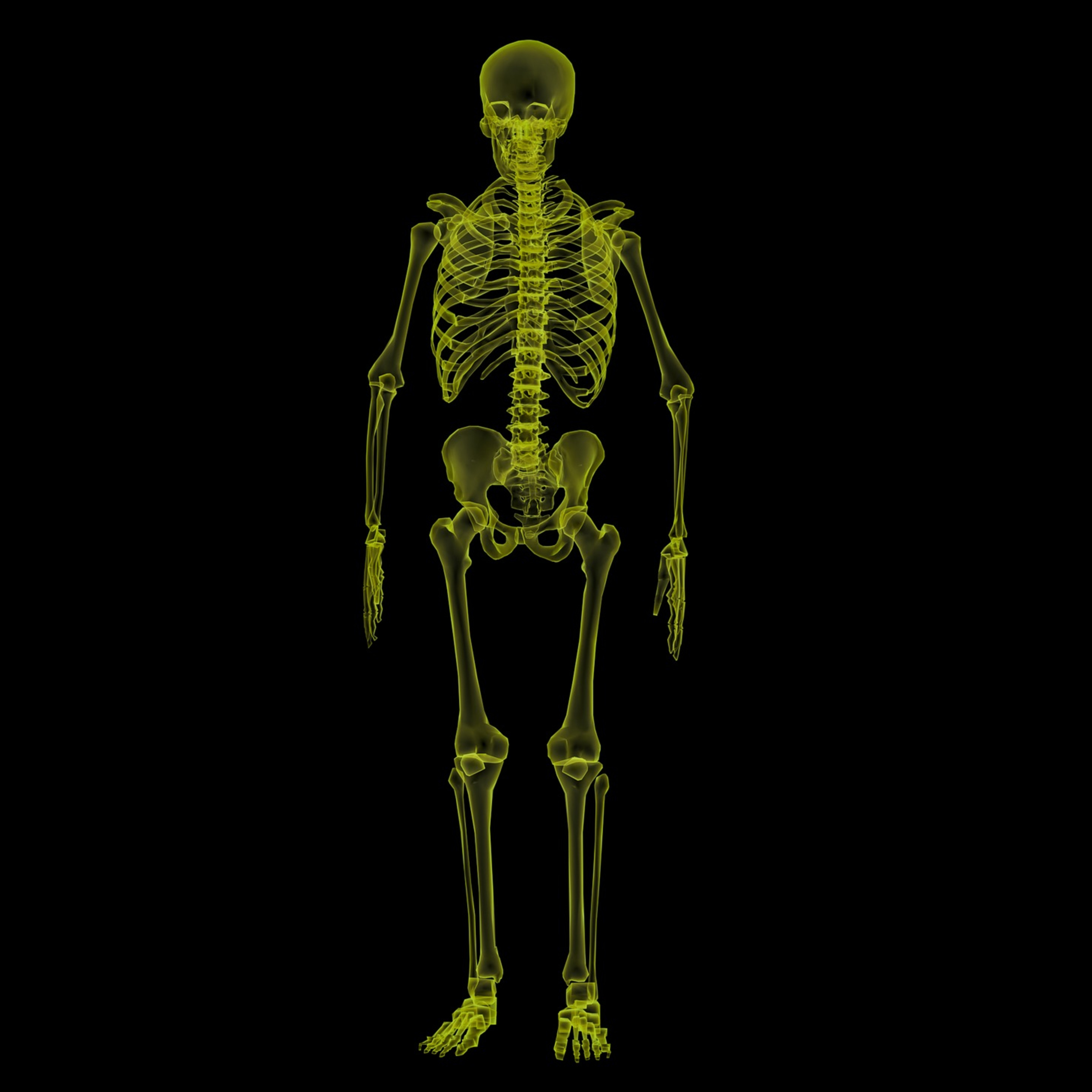
Episode 2: Osteoporosis
from Real Health Chats Hosted by Jeff & Becky Dickson
Osteoporosis is low bone density associated with increased risk of fracture. There are no symptoms. It is most often discovered often after a fracture, especially a low trauma fracture. Osteoporosis is most often associated with women, but men can also be at risk. What are risk factors of osteoporosis? Postmenopausal women: bone density decreases at a more rapid rate Advanced age: 80’s and 90’s Low trauma fracture: break a bone without a trauma Long term glucocorticoid therapy: steroids Low body weight: less than 127 lbs, especially if body weight has always been low Family history of hip fracture Smoking cigarettes Excessive alcohol intake Caucasians are at higher risk What is peak bone mass? Peak bone mass is the maximum amount of bone developed (bone mass) in a person's life, typically around age 30. The stronger the bones at age 30, the less risk of osteoporosis. What screening tests are there for osteoporosis? Dexa Scan: x ray that evaluates the density of the bone usually at the hips and lumbar/low spine. This also includes a statistical analysis that compares the results with what is considered normal. Given a score called a T Score that will estimate your risk of fracture in the next ten years. Women over 65 can get a Dexa Scan. Anyone with risk factors can also get a screening Dexa Scan. FRAX: (risk assessment calculator) questionnaire that takes into account a person’s risk factors and gives an estimated fracture risk for the next ten years. Anyone who shows high risk for fracture should talk to their doctor about treatment. Talk to your doctor about your specific situation, especially if you feel you are at risk earlier. Treatment Options: Medication: discuss with your doctor to find out what is best for you The best option is PREVENTION and lowering your risk factor early. Adequate calcium intake: teens and adults 1000mg of calcium a day Healthy lifestyle: diet, nutrition, adequate exercise No smoking No excessive alcohol use If you or someone in your family is under 30 years old, start now to help increase bone density prior to the age of peak bone mass. If you or your family member is over 30, take the same measures to help reduce risk factors. Preventing fractures affects the whole family. Fractures in elderly are life altering. Know risk, get screened Get treatment Make sure younger children are getting enough calcium intake. Teenagers, particularly females, should take added calcium. Take precautions to prevent and reduce risks of falls Handrails in bathrooms, on all steps No loose rugs Wrap up invitation If you’re over 65 and haven’t had an osteoporosis screening yet, do so. Talk to your doctor about personal risk factors, especially if you have a parent who had a hip fracture. No matter what age you are, take preventative measures by getting adequate calcium, living a healthy lifestyle, not smoking, and no excessive alcohol intake. Ensure young kids and teens get adequate calcium. Get rid of loose rugs and add plenty of handrails as needed for elderly family members. Subscribe to the Real Health Chats podcast! Find us at realthealthchats.com, on Facebook, Instagram and Twitter
Embed this episode
No transcript yet.