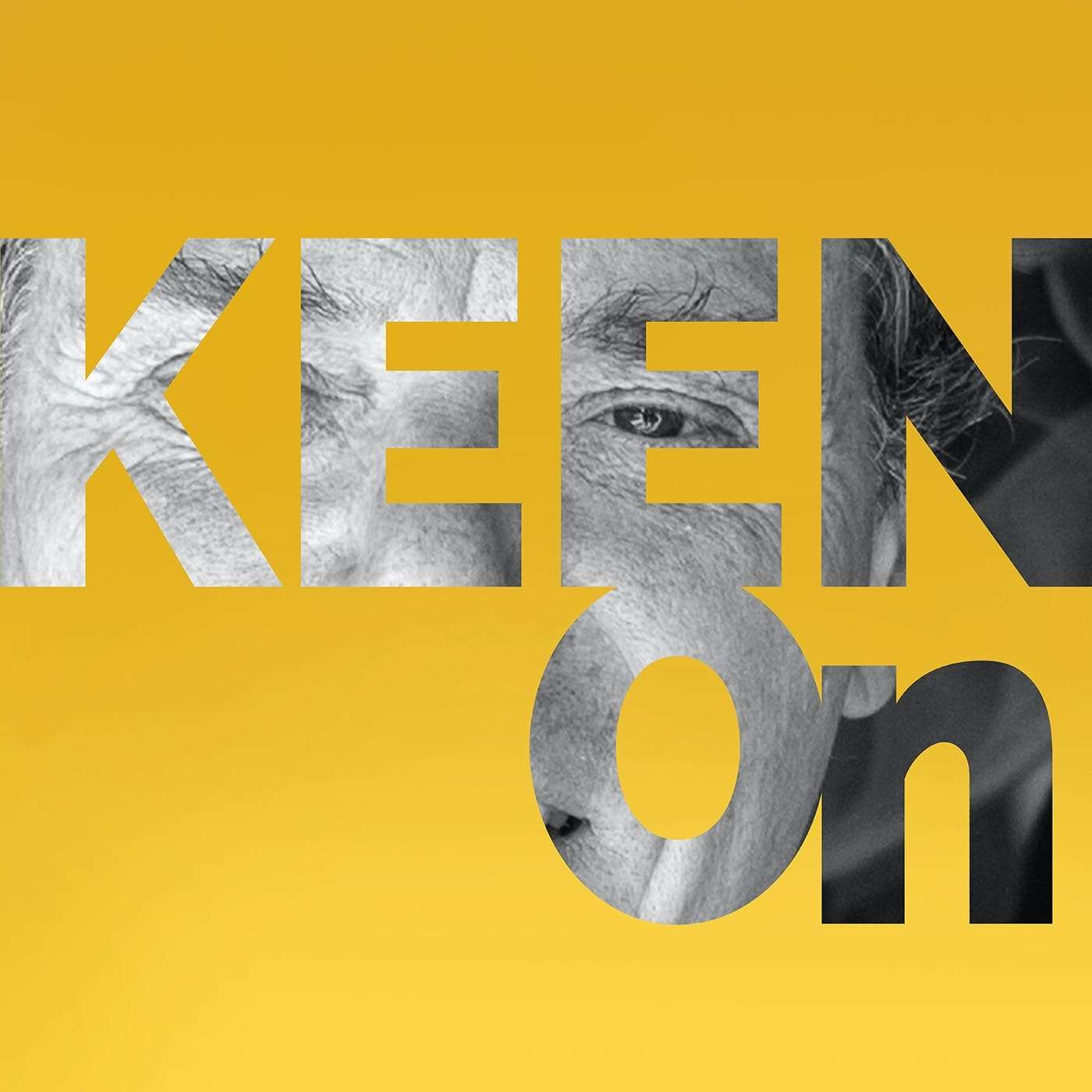
Episode 2513: Adam Hochschild on how American History is Repeating itself, first as Tragedy, then as Trump episode artwork

EPISODE · Apr 25, 2025 · 44 MIN

Episode 2513: Adam Hochschild on how American History is Repeating itself, first as Tragedy, then as Trump

from Keen On America · host Andrew Keen

A year ago, the great American historian Adam Hochschild came on KEEN ON AMERICA to discuss American Midnight, his best selling account of the crisis of American democracy after World War One. A year later, is history really repeating itself in today’s crisis of American democracy? For Hochschild, there are certainly parallels between the current political situation in the US and post WW1 America. Describing how wartime hysteria and fear of communism led to unprecedented government repression, including mass imprisonment for political speech, vigilante violence, and press censorship. Hochschild notes eery similarities to today’s Trump's administration. He expresses concern about today’s threats to democratic institutions while suggesting the importance of understanding Trump supporters' grievances and finding ways to bridge political divides. Five Key Takeaways* The period of 1917-1921 in America saw extreme government repression, including imprisoning people for speech, vigilante violence, and widespread censorship—what Hochschild calls America's "Trumpiest" era before Trump.* American history shows recurring patterns of nativism, anti-immigrant sentiment, and scapegoating that politicians exploit during times of economic or social stress.* The current political climate shows concerning parallels to this earlier period, including intimidation of opposition, attacks on institutions, and the widespread acceptance of authoritarian tendencies.* Hochschild emphasizes the importance of understanding the grievances and suffering that lead people to support authoritarian figures rather than dismissing their concerns.* Despite current divisions, Hochschild believes reconciliation is possible and necessary, pointing to historical examples like President Harding pardoning Eugene Debs after Wilson imprisoned him. Full Transcript Andrew Keen: Hello, everybody. We recently celebrated our 2500th edition of Keen On. Some people suggest I'm mad. I think I probably am to do so many shows. Just over a little more than a year ago, we celebrated our 2000th show featuring one of America's most distinguished historians, Adam Hochschild. I'm thrilled that Adam is joining us again a year later. He's the author of "American Midnight, The Great War, A Violent Peace, and Democracy's Forgotten Crisis." This was his last book. He's the author of many other books. He is now working on a book on the Great Depression. He's joining us from his home in Berkeley, California. Adam, to borrow a famous phrase or remix a famous phrase, a year is a long time in American history.Adam Hochschild: That's true, Andrew. I think this past year, or actually this past 100 days or so has been a very long and very difficult time in American history that we all saw coming to some degree, but I don't think we realized it would be as extreme and as rapid as it has been.Andrew Keen: Your book, Adam, "American Midnight, A Great War of Violent Peace and Democracy's Forgotten Crisis," is perhaps the most prescient warning. When you researched that you were saying before we went live that your books usually take you between four and five years, so you couldn't really have planned for this, although I guess you began writing and researching American Midnight during the Trump 1.0 regime. Did you write it as a warning to something like is happening today in America?Adam Hochschild: Well, I did start writing it and did most of the work on it during Trump's first term in office. So I was very struck by the parallels. And they're in plain sight for everybody to see. There are various dark currents that run through this country of ours. Nativism, threats to deport troublemakers. Politicians stirring up violent feelings against immigrants, vigilante violence, all those things have been with us for a long time. I've always been fascinated by that period, 1917 to 21, when they surged to the surface in a very nasty way. That was the subject of the book. Naturally, I hoped we wouldn't have to go through anything like that again, but here we are definitely going through it again.Andrew Keen: You wrote a lovely piece earlier this month for the Washington Post. "America was at its Trumpiest a hundred years ago. Here's how to prevent the worst." What did you mean by Trumpiest, Adam? I'm not sure if you came up with that title, but I know you like the term. You begin the essay. What was the Trumpiest period in American life before Donald Trump?Adam Hochschild: Well, I didn't invent the word, but I certainly did use it in the piece. What I meant by that is that when you look at this period just over 100 years ago, 1917 to 1921, Woodrow Wilson's second term in office, two things happened in 1917 that kicked off a kind of hysteria in this country. One was that Wilson asked the American Congress to declare war on Germany, which it promptly did, and when a country enters a major war, especially a world war, it sets off a kind of hysteria. And then that was redoubled some months later when the country received news of the Russian Revolution, and many people in the establishment in America were afraid the Russian Revolution might come to the United States.So, a number of things happened. One was that there was a total hysteria against all things German. There were bonfires of German books all around the country. People would take German books out of libraries, schools, college and university libraries and burn them in the street. 19 such bonfires in Ohio alone. You can see pictures of it on the internet. There was hysteria about the German language. I heard about this from my father as I was growing up because his father was a Jewish immigrant from Germany. They lived in New York City. They spoke German around the family dinner table, but they were terrified of doing so on the street because you could get beaten up for that. Several states passed laws against speaking German in public or speaking German on the telephone. Eminent professors declared that German was a barbaric language. So there was that kind of hysteria.Then as soon as the United States declared war, Wilson pushed the Espionage Act through Congress, this draconian law, which essentially gave the government the right to lock up anybody who said something that was taken to be against the war. And they used this law in a devastating way. During those four years, roughly a thousand Americans spent a year or more in jail and a much larger number, shorter periods in jail solely for things that they wrote or said. These were people who were political prisoners sent to jail simply for something they wrote or said, the most famous of them was Eugene Debs, many times the socialist candidate for president. He'd gotten 6% of the popular vote in 1912 and in 1918. For giving an anti-war speech from a park bandstand in Ohio, he was sent to prison for 10 years. And he was still in prison two years after the war ended in November, 1920, when he pulled more than 900,000 votes for president from his jail cell in the federal penitentiary in Atlanta.So that was one phase of the repression, political prisoners. Another was vigilante violence. The government itself, the Department of Justice, chartered a vigilante group, something called the American Protective League, which went around roughing up people that it thoug...

A year ago, the great American historian Adam Hochschild came on KEEN ON AMERICA to discuss American Midnight, his best selling account of the crisis of American democracy after World War One. A year later, is history really repeating itself in today’s crisis of American democracy? For Hochschild, there are certainly parallels between the current political situation in the US and post WW1 America. Describing how wartime hysteria and fear of communism led to unprecedented government repression, including mass imprisonment for political speech, vigilante violence, and press censorship. Hochschild notes eery similarities to today’s Trump's administration. He expresses concern about today’s threats to democratic institutions while suggesting the importance of understanding Trump supporters' grievances and finding ways to bridge political divides. Five Key Takeaways* The period of 1917-1921 in America saw extreme government repression, including imprisoning people for speech, vigilante violence, and widespread censorship—what Hochschild calls America's "Trumpiest" era before Trump.* American history shows recurring patterns of nativism, anti-immigrant sentiment, and scapegoating that politicians exploit during times of economic or social stress.* The current political climate shows concerning parallels to this earlier period, including intimidation of opposition, attacks on institutions, and the widespread acceptance of authoritarian tendencies.* Hochschild emphasizes the importance of understanding the grievances and suffering that lead people to support authoritarian figures rather than dismissing their concerns.* Despite current divisions, Hochschild believes reconciliation is possible and necessary, pointing to historical examples like President Harding pardoning Eugene Debs after Wilson imprisoned him. Full Transcript Andrew Keen: Hello, everybody. We recently celebrated our 2500th edition of Keen On. Some people suggest I'm mad. I think I probably am to do so many shows. Just over a little more than a year ago, we celebrated our 2000th show featuring one of America's most distinguished historians, Adam Hochschild. I'm thrilled that Adam is joining us again a year later. He's the author of "American Midnight, The Great War, A Violent Peace, and Democracy's Forgotten Crisis." This was his last book. He's the author of many other books. He is now working on a book on the Great Depression. He's joining us from his home in Berkeley, California. Adam, to borrow a famous phrase or remix a famous phrase, a year is a long time in American history.Adam Hochschild: That's true, Andrew. I think this past year, or actually this past 100 days or so has been a very long and very difficult time in American history that we all saw coming to some degree, but I don't think we realized it would be as extreme and as rapid as it has been.Andrew Keen: Your book, Adam, "American Midnight, A Great War of Violent Peace and Democracy's Forgotten Crisis," is perhaps the most prescient warning. When you researched that you were saying before we went live that your books usually take you between four and five years, so you couldn't really have planned for this, although I guess you began writing and researching American Midnight during the Trump 1.0 regime. Did you write it as a warning to something like is happening today in America?Adam Hochschild: Well, I did start writing it and did most of the work on it during Trump's first term in office. So I was very struck by the parallels. And they're in plain sight for everybody to see. There are various dark currents that run through this country of ours. Nativism, threats to deport troublemakers. Politicians stirring up violent feelings against immigrants, vigilante violence, all those things have been with us for a long time. I've always been fascinated by that period, 1917 to 21, when they surged to the surface in a very nasty way. That was the subject of the book. Naturally, I hoped we wouldn't have to go through anything like that again, but here we are definitely going through it again.Andrew Keen: You wrote a lovely piece earlier this month for the Washington Post. "America was at its Trumpiest a hundred years ago. Here's how to prevent the worst." What did you mean by Trumpiest, Adam? I'm not sure if you came up with that title, but I know you like the term. You begin the essay. What was the Trumpiest period in American life before Donald Trump?Adam Hochschild: Well, I didn't invent the word, but I certainly did use it in the piece. What I meant by that is that when you look at this period just over 100 years ago, 1917 to 1921, Woodrow Wilson's second term in office, two things happened in 1917 that kicked off a kind of hysteria in this country. One was that Wilson asked the American Congress to declare war on Germany, which it promptly did, and when a country enters a major war, especially a world war, it sets off a kind of hysteria. And then that was redoubled some months later when the country received news of the Russian Revolution, and many people in the establishment in America were afraid the Russian Revolution might come to the United States.So, a number of things happened. One was that there was a total hysteria against all things German. There were bonfires of German books all around the country. People would take German books out of libraries, schools, college and university libraries and burn them in the street. 19 such bonfires in Ohio alone. You can see pictures of it on the internet. There was hysteria about the German language. I heard about this from my father as I was growing up because his father was a Jewish immigrant from Germany. They lived in New York City. They spoke German around the family dinner table, but they were terrified of doing so on the street because you could get beaten up for that. Several states passed laws against speaking German in public or speaking German on the telephone. Eminent professors declared that German was a barbaric language. So there was that kind of hysteria.Then as soon as the United States declared war, Wilson pushed the Espionage Act through Congress, this draconian law, which essentially gave the government the right to lock up anybody who said something that was taken to be against the war. And they used this law in a devastating way. During those four years, roughly a thousand Americans spent a year or more in jail and a much larger number, shorter periods in jail solely for things that they wrote or said. These were people who were political prisoners sent to jail simply for something they wrote or said, the most famous of them was Eugene Debs, many times the socialist candidate for president. He'd gotten 6% of the popular vote in 1912 and in 1918. For giving an anti-war speech from a park bandstand in Ohio, he was sent to prison for 10 years. And he was still in prison two years after the war ended in November, 1920, when he pulled more than 900,000 votes for president from his jail cell in the federal penitentiary in Atlanta.So that was one phase of the repression, political prisoners. Another was vigilante violence. The government itself, the Department of Justice, chartered a vigilante group, something called the American Protective League, which went around roughing up people that it thoug...

NOW PLAYING

Episode 2513: Adam Hochschild on how American History is Repeating itself, first as Tragedy, then as Trump

0:00 44:15

No transcript for this episode yet

We transcribe on demand. Request one and we'll notify you when it's ready — usually under 10 minutes.

The Small Business Startup School – Business Notes | Financial Literacy | Retail Psychology – For Professionals & Entrepreneurs The Small Business Startup School Inc. Starting or buying a small business? While personal circumstances may vary, business patterns remain timeless. On The Small Business Startup School, we explore strategies, insights, and practical solutions to help entrepreneurs confidently navigate their journey.Hosted by Ola Williams—a retail entrepreneur, fintech founder, and financial coach with over two decades of experience—this podcast marries financial awareness and retail psychology with optimism to deliver actionable takeaways.Join us to learn, grow, and connect as we uncover the keys to business success.Let’s continue to learn together and be encouraged to keep on connecting! PodQuesting Dwight J Randolph- WolfShield Media PodQuesting: -By WolfShield Media and Dwight J RandolphJoin us on an exciting journey to master the world of fiction podcasting! At PodQuesting, we document our quest to improve and innovate, sharing valuable insights, strategies, and behind-the-scenes tips along the way. Whether you're an experienced podcaster or just starting your first show, our podcast is your go-to resource for everything podcasting.Discover practical advice, creative techniques, and lessons from our own experiences as we explore the ever-evolving podcasting landscape. Ready to level up your skills and embark on this adventure with us? Tune in and join the quest!Have questions or feedback? Reach out to us at [email protected] and visit our website:WolfShield.Media LIGHTS, CAMERA, SMILE! Creatives Club Media Lights, Camera, Smile, is a podcast for anyone with a dream to share something with the world, out of the overflow of themselves - be it their mind, their heart, their personalities, and much more. Each of us are alive in this moment in time, with an innate ability to have ideas and create various things to benefit both ourselves and the people around us for a reason, and here, you will find the encouragement, the inspiration, and the motivation to do just that. Hosted by Cicily, founder of Creatives Club, she dives into various topics surrounding creativity and business. Exploring entrepreneurship for creatives in a corporate reality, sharing tips and tricks in a media centered company, answering questions regarding what a creative actually is are just a few of the things discussed on this podcast. Be encouraged to create for yourself as Cicily gets vulnerable by pivoting the camera to herself for the first time.To submit questions for Cicily to answer, or have her address certain t Kaizen Blueprint Aldo Chandra "Kaizen" is a Japanese term for continuous improvement. This podcast provides a blueprint to learn about health, wealth, relationships and everything else in between. Through our podcast, we strive to inspire, educate, and motivate our audience to cultivate a mindset of lifelong learning, productivity, and personal development. By sharing insights, strategies, and practical tips, we aim to guide listeners on their journey towards realizing their fullest potential, fostering success, and creating lasting positive change.

Frequently Asked Questions

How long is this episode of Keen On America?

This episode is 44 minutes long.

When was this Keen On America episode published?

This episode was published on April 25, 2025.

What is this episode about?

A year ago, the great American historian Adam Hochschild came on KEEN ON AMERICA to discuss American Midnight, his best selling account of the crisis of American democracy after World War One. A year later, is history really repeating itself in...

Can I download this Keen On America episode?

Yes, you can download this episode by clicking the download button on the episode player, or subscribe to the podcast in your preferred podcast app for automatic downloads.
URL copied to clipboard!