
EPISODE · Dec 18, 2024 · 1H 9M
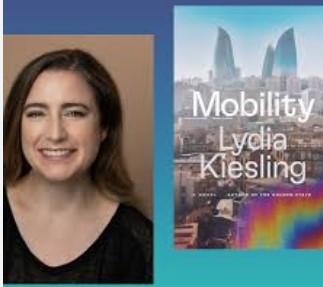
Episode 266 with Lydia Kiesling, Author of Mobility and Keen Observer and Reflection-Inducing Craftswoman of Psychological and Geopolitical Storylines with Unforgettable Characters
from The Chills at Will Podcast · host chillsatwillpodcast
Notes and Links to Lydia Kiesling’s Work Lydia Kiesling is a novelist and culture writer. Her first novel, The Golden State, was a 2018 National Book Foundation “5 under 35” honoree and a finalist for the VCU Cabell First Novelist Award. Her second novel, Mobility, a national bestseller, was named a best book of 2023 by Vulture, Time, and NPR, among others. It was longlisted for the Joyce Carol Oates Prize and a finalist for the Oregon Book Award. Her essays and nonfiction have been published in outlets including The New York Times Magazine, The New Yorker online, and The Cut. Contact her at [email protected]. Buy Mobility Lydia Kiesling's Website Lydia’s Wikipedia Page Alta Online Book Review for Mobility At about 1:35, Lydia gives out contact information and social media information, as well as places At about 4:10, “Return of the Mack” as an “eternal jam” is highlighted in the book At about 5:40, Lydia talks about her reading life and how it connected to her “cusp generation” and her time as a “foreign service brat” At about 9:50, Lydia talks about her experience reading Joyce Carol Oates, for whom an award is named that Lydia was longlisted for, and Pete compares the narrator, Bunny, and her situation in Mobility to iconic characters from “Where are you going, Where have you been?” and “In the Land of Men” At about 11:30, Lydia recounts interesting parts of her life in boarding school and how it shaped her At about 15:20, Lydia discusses the reading life fostered through memorable English classes in boarding school At about 21:15, Lydia highlights the ways in which her life as a writer developed, including early work in the blog era and a great opportunity from The Millions At about 26:00, Lydia shouts out contemporary writers who thrill and inspire, including Jenny Erpenbeck and Bruna Dantas Lobato At about 30:55, Lyda responds to Pete’s questions about the ways in which Lydia’s history as a “diplomat brat” has affected her view of the US At about 34:45, The two discuss seeds for the book and the importance of the book’s concise epigraph At about 37:25, Lydia highlights The Oil and the Glory as inspiration for the book At about 40:45, Pete lays out part of the book’s exposition and underscores the importance of the book’s first scene and use of oil prices to mark each year At about 42:30, Lydia responds to Pete asking about the draw of Eddie and Charlie and the older men/boys At about 43:55, Pete quotes Mario Puzo in relating to “men doing what they do when they’re away from home” and Lyda builds on it when talking about Baku and the things and people that came with oil drilling At about 45:00, Lydia gives background of the soap opera referenced in the book as she and Pete further discuss important early characters At about 47:40, Lydia explains the background and significance of a ring that Bunny covets that says “I respond to whoever touches me” At about 51:00, Pete recounts some of the plot involving Bunny’s return to the US and Texas and asks Lydia about the intentions of her mentor, Phil At about 53:20, Lydia expands on the “weird current” that comes with being a young woman/woman in a male-dominated world At about 54:40, Pete and Lydia discuss the manner in which Bunny and so many in our society choose to look away when faced with the evils of capitalism, oil, war, etc. At about 58:15, Lydia emphasizes the ways in which story and narrative govern so much of the way politics and business work At about 59:40, The two discuss Bunny as a nominal liberal At about 1:01:15, Lydia responds to Pete’s question about any reasons for optimism in response to climate change At about 1:04:00, The idea of “geologic time” as a negative and positive is discussed with regards to the environment and oil and positive change You can now subscribe to the podcast on Apple Podcasts, and leave me a five-star review. You can also ask for the podcast by name using Alexa, and find the pod on Stitcher, Spotify, and on Amazon Music. Follow Pete on IG, where he is @chillsatwillpodcast, or on Twitter, where he is @chillsatwillpo1. You can watch other episodes on YouTube-watch and subscribe to The Chills at Will Podcast Channel. Please subscribe to both the YouTube Channel and the podcast while you’re checking out this episode. Pete is very excited to have one or two podcast episodes per month featured on the website of Chicago Review of Books. The audio will be posted, along with a written interview culled from the audio. This week, his conversation with Episode 255 guest Chris Knapp is up on the website. A big thanks to Rachel León and Michael Welch at Chicago Review. Sign up now for The Chills at Will Podcast Patreon: it can be found at patreon.com/chillsatwillpodcastpeterriehl Check out the page that describes the benefits of a Patreon membership, including cool swag and bonus episodes. Thanks in advance for supporting Pete’s one-man show, his DIY podcast and his extensive reading, research, editing, and promoting to keep this independent podcast pumping out high-quality content! This month’s Patreon bonus episode will feature an exploration of the wonderful poetry of Khalil Gibran. I have added a $1 a month tier for “Well-Wishers” and Cheerleaders of the Show. This is a passion project of Pete’s, a DIY operation, and he’d love for your help in promoting what he’s convinced is a unique and spirited look at an often-ignored art form. The intro song for The Chills at Will Podcast is “Wind Down” (Instrumental Version), and the other song played on this episode was “Hoops” (Instrumental)” by Matt Weidauer, and both songs are used through ArchesAudio.com. Please tune in for Episode 267 with Keith O’Brien. He is a New York Times bestselling author and award-winning journalist who has written four books, been longlisted for the Andrew Carnegie Medal for Excellence in Nonfiction, and contributed to multiple publications over the years, including the New York Times Magazine, the Atlantic, and NPR. Kirkus Reviews hails his latest, Charlie Hustle, as a "masterpiece of a sports biography." The episode airs on December 24. Please go to ceasefiretoday.com, which features 10+ actions to help bring about Ceasefire in Gaza.
Embed this episode
What this episode covers
Notes and Links to Lydia Kiesling’s Work Lydia Kiesling is a novelist and culture writer. Her first novel, The Golden State, was a 2018 National Book Foundation “5 under 35” honoree and a finalist for the VCU Cabell First Novelist Award. Her second novel, Mobility, a national bestseller, was named a best book of 2023 by Vulture, Time, and NPR, among others. It was longlisted for the Joyce Carol Oates Prize and a finalist for the Oregon Book Award. Her essays and nonfiction have been published in outlets including The New York Times Magazine, The New Yorker online, and The Cut. Contact her at [email protected]. Buy Mobility Lydia Kiesling's Website Lydia’s Wikipedia Page Alta Online Book Review for Mobility At about 1:35, Lydia gives out contact information and social media information, as well as places At about 4:10, “Return of the Mack” as an “eternal jam” is highlighted in the book At about 5:40, Lydia talks about her reading life and how it connected to her “cusp generation” and her time as a “foreign service brat” At about 9:50, Lydia talks about her experience reading Joyce Carol Oates, for whom an award is named that Lydia was longlisted for, and Pete compares the narrator, Bunny, and her situation in Mobility to iconic characters from “Where are you going, Where have you been?” and “In the Land of Men” At about 11:30, Lydia recounts interesting parts of her life in boarding school and how it shaped her At about 15:20, Lydia discusses the reading life fostered through memorable English classes in boarding school At about 21:15, Lydia highlights the ways in which her life as a writer developed, including early work in the blog era and a great opportunity from The Millions At about 26:00, Lydia shouts out contemporary writers who thrill and inspire, including Jenny Erpenbeck and Bruna Dantas Lobato At about 30:55, Lyda responds to Pete’s questions about the ways in which Lydia’s history as a “diplomat brat” has affected her view of the US At about 34:45, The two discuss seeds for the book and the importance of the book’s concise epigraph At about 37:25, Lydia highlights The Oil and the Glory as inspiration for the book At about 40:45, Pete lays out part of the book’s exposition and underscores the importance of the book’s first scene and use of oil prices to mark each year At about 42:30, Lydia responds to Pete asking about the draw of Eddie and Charlie and the older men/boys At about 43:55, Pete quotes Mario Puzo in relating to “men doing what they do when they’re away from home” and Lyda builds on it when talking about Baku and the things and people that came with oil drilling At about 45:00, Lydia gives background of the soap opera referenced in the book as she and Pete further discuss important early characters At about 47:40, Lydia explains the background and significance of a ring that Bunny covets that says “I respond to whoever touches me” At about 51:00, Pete recounts some of the plot involving Bunny’s return to the US and Texas and asks Lydia about the intentions of her mentor, Phil At about 53:20, Lydia expands on the “weird current” that comes with being a young woman/woman in a male-dominated world At about 54:40, Pete and Lydia discuss the manner in which Bunny and so many in our society choose to look away when faced with the evils of capitalism, oil, war, etc. At about 58:15, Lydia emphasizes the ways in which story and narrative govern so much of the way politics and business work At about 59:40, The two discuss Bunny as a nominal liberal At about 1:01:15, Lydia responds to Pete’s question about any reasons for optimism in response to climate change At about 1:04:00, The idea of “geologic time” as a negative and positive is discussed with regards to the environment and oil and positive change You can now subscribe to the podcast on Apple Podcasts, and leave me a five-star review. You can also ask for the podcast by name using Alexa, and find the pod on Stitcher, Sp
Ready to play
Episode 266 with Lydia Kiesling, Author of Mobility and Keen Observer and Reflection-Inducing Craftswoman of Psychological and Geopolitical Storylines with Unforgettable Characters
No transcript for this episode yet
Similar Episodes
No similar episodes found.
Similar Podcasts
No similar podcasts found.