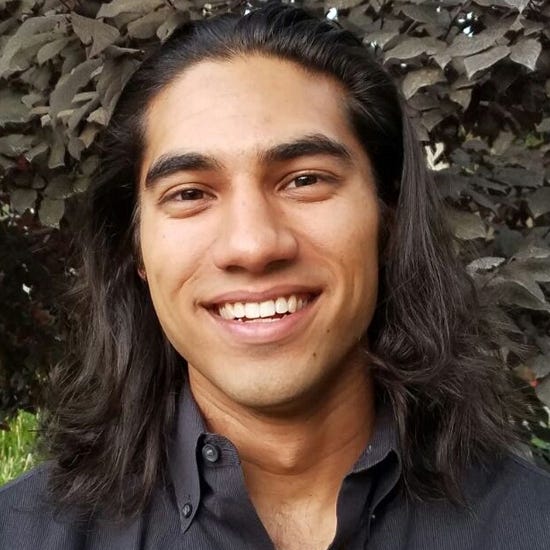
Episode 29 Audio: Ismail Ali
from Krystal Kyle & Friends Hosted by Krystal Kyle & Friends
You might be inclined to think that the story of drug criminalization begins with the Reagan administration, or with the culture of substance use in the Sixties. Ismail Ali says otherwise. Ismail is this week’s guest on Krystal Kyle & Friends; he’s from MAPS [Multidisciplinary Association for Psychedelic Studies], an organization that produces research on the healing and therapeutic potential of psychedelics. The task of reframing our society’s perception of psychedelic use is a big one, but as you’ll hear in this week’s conversation, it offers a great deal of positives — which decades, and even centuries, of drug policing have fought to hide from us. Where does the story of government control of substances start in the United States? In our conversation, Ismail traces it back to the 1800s, following a line of prohibitive legislation, but he also draws upon a history of colonialism that predates the founding of the United States. Understanding why certain substances are criminalized in the U.S. means more than understanding their chemical composition. It means understanding how different religious groups have interacted in the past centuries, how different societies have developed moral codes, and, more recently, how drug criminalization has been used to continue the legacy of colonialism into the twenty-first century. This is a public episode. If you'd like to discuss this with other subscribers or get access to bonus episodes, visit krystalkyleandfriends.substack.com/subscribe
Embed this episode
No transcript yet.