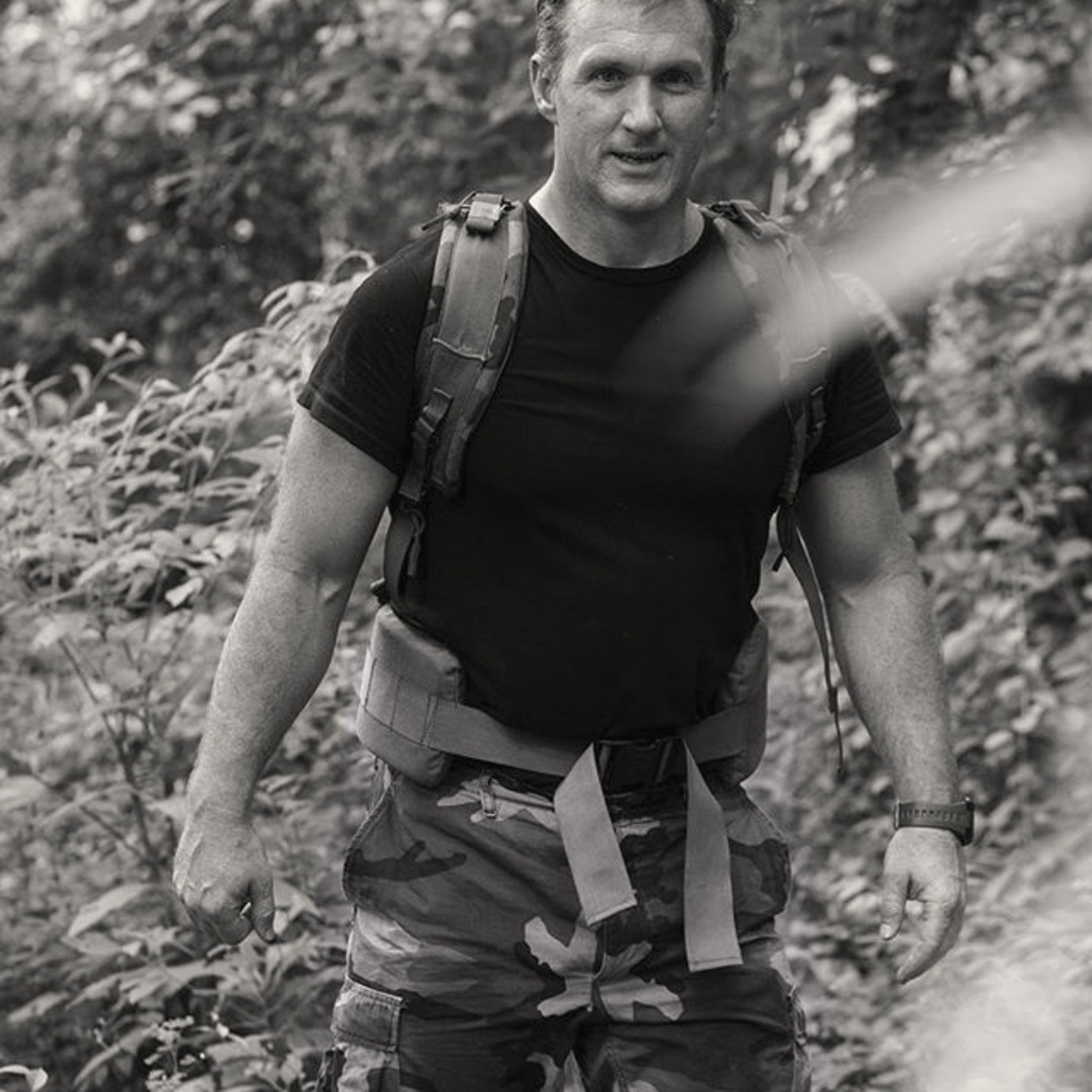
Episode 307: SEAL - Sleep, Eat, and Lift + LIVE QA with Stew Smith episode artwork

EPISODE · Jul 16, 2025 · 1H 3M

Episode 307: SEAL - Sleep, Eat, and Lift + LIVE QA with Stew Smith

from Tactical Fitness Report with Stew Smith Podcast · host Stew Smith

The old saying is that if you want to get big, you must eat big and lift big. The science behind this agrees, but it is more complicated than simply eating more. It does matter what you eat, how much you eat, when you eat, and how you exercise. It is not as simple as just getting on the SEE-food diet.Recent research shows that even with a calorie surplus and resistance training, mainly gaining lean muscle mass is no easy feat.  See more at https://www.stewsmithfitness.comThe Science of Weight GainBe Patient: A recent study on weight gain for athletes and military personnel found that a 1-pound weight gain per week is a reasonable and optimal goal. To gain weight healthily, aim for a target gain of ½–1 lb. per week. Any faster, and you’re likely packing on fat rather than muscle. This process requires an additional 1,750 to 3,500 surplus calories at the end of the week or 250-500 extra calories a day.You need good, healthy meals with extra portions of protein, carbs, and fat, plus snacks, to gain this kind of weight. Remember that the surplus required is in addition to the calories you burn just being alive (BMR – Basal Metabolic Rate) and the calories you burn through physical activity. Together, you will find your Total Daily Energy Expenditure (TDEE).  See the BMR Calculator and TDEE Calculator links for good ballpark figures of both. Reaching 250-500 calories above this will likely put you in the 4,000-calorie-per-day range, depending on your sex, body size, and level of physical activity. Ideally, these additional calories should come from nutrient-dense, energy-rich foods, such as peanut butter (or other nuts), dried fruit, and healthy liquid calories. Shakes and smoothies are easier to consume, but they do not satisfy you as much as solid food.Train Smart: Muscle growth occurs across a spectrum of rep ranges from 12 to 20 reps, but training volume is the key factor. Mix it up, train to failure occasionally, and hit total rep targets (30–60 reps per exercise or three sets of 12-20 reps). To build more muscle, add 1-2 minutes of rest between sets. (Study on rest periods)Check out latest podcast with Nick Barringer (PhD Nutrition) on overcoming the "Hard-Gainer" Life many of us had when starting out.

The old saying is that if you want to get big, you must eat big and lift big. The science behind this agrees, but it is more complicated than simply eating more. It does matter what you eat, how much you eat, when you eat, and how you exercise. It is not as simple as just getting on the SEE-food diet.Recent research shows that even with a calorie surplus and resistance training, mainly gaining lean muscle mass is no easy feat.  See more at https://www.stewsmithfitness.comThe Science of Weight GainBe Patient: A recent study on weight gain for athletes and military personnel found that a 1-pound weight gain per week is a reasonable and optimal goal. To gain weight healthily, aim for a target gain of ½–1 lb. per week. Any faster, and you’re likely packing on fat rather than muscle. This process requires an additional 1,750 to 3,500 surplus calories at the end of the week or 250-500 extra calories a day.You need good, healthy meals with extra portions of protein, carbs, and fat, plus snacks, to gain this kind of weight. Remember that the surplus required is in addition to the calories you burn just being alive (BMR – Basal Metabolic Rate) and the calories you burn through physical activity. Together, you will find your Total Daily Energy Expenditure (TDEE).  See the BMR Calculator and TDEE Calculator links for good ballpark figures of both. Reaching 250-500 calories above this will likely put you in the 4,000-calorie-per-day range, depending on your sex, body size, and level of physical activity. Ideally, these additional calories should come from nutrient-dense, energy-rich foods, such as peanut butter (or other nuts), dried fruit, and healthy liquid calories. Shakes and smoothies are easier to consume, but they do not satisfy you as much as solid food.Train Smart: Muscle growth occurs across a spectrum of rep ranges from 12 to 20 reps, but training volume is the key factor. Mix it up, train to failure occasionally, and hit total rep targets (30–60 reps per exercise or three sets of 12-20 reps). To build more muscle, add 1-2 minutes of rest between sets. (Study on rest periods)Check out latest podcast with Nick Barringer (PhD Nutrition) on overcoming the "Hard-Gainer" Life many of us had when starting out.

NOW PLAYING

Episode 307: SEAL - Sleep, Eat, and Lift + LIVE QA with Stew Smith

0:00 1:03:24

No transcript for this episode yet

We transcribe on demand. Request one and we'll notify you when it's ready — usually under 10 minutes.

No similar episodes found.

No similar podcasts found.

Frequently Asked Questions

How long is this episode of Tactical Fitness Report with Stew Smith Podcast?

This episode is 1 hour and 3 minutes long.

When was this Tactical Fitness Report with Stew Smith Podcast episode published?

This episode was published on July 16, 2025.

What is this episode about?

The old saying is that if you want to get big, you must eat big and lift big. The science behind this agrees, but it is more complicated than simply eating more. It does matter what you eat, how much you eat, when you eat, and how you exercise. It...

Can I download this Tactical Fitness Report with Stew Smith Podcast episode?

Yes, you can download this episode by clicking the download button on the episode player, or subscribe to the podcast in your preferred podcast app for automatic downloads.
URL copied to clipboard!