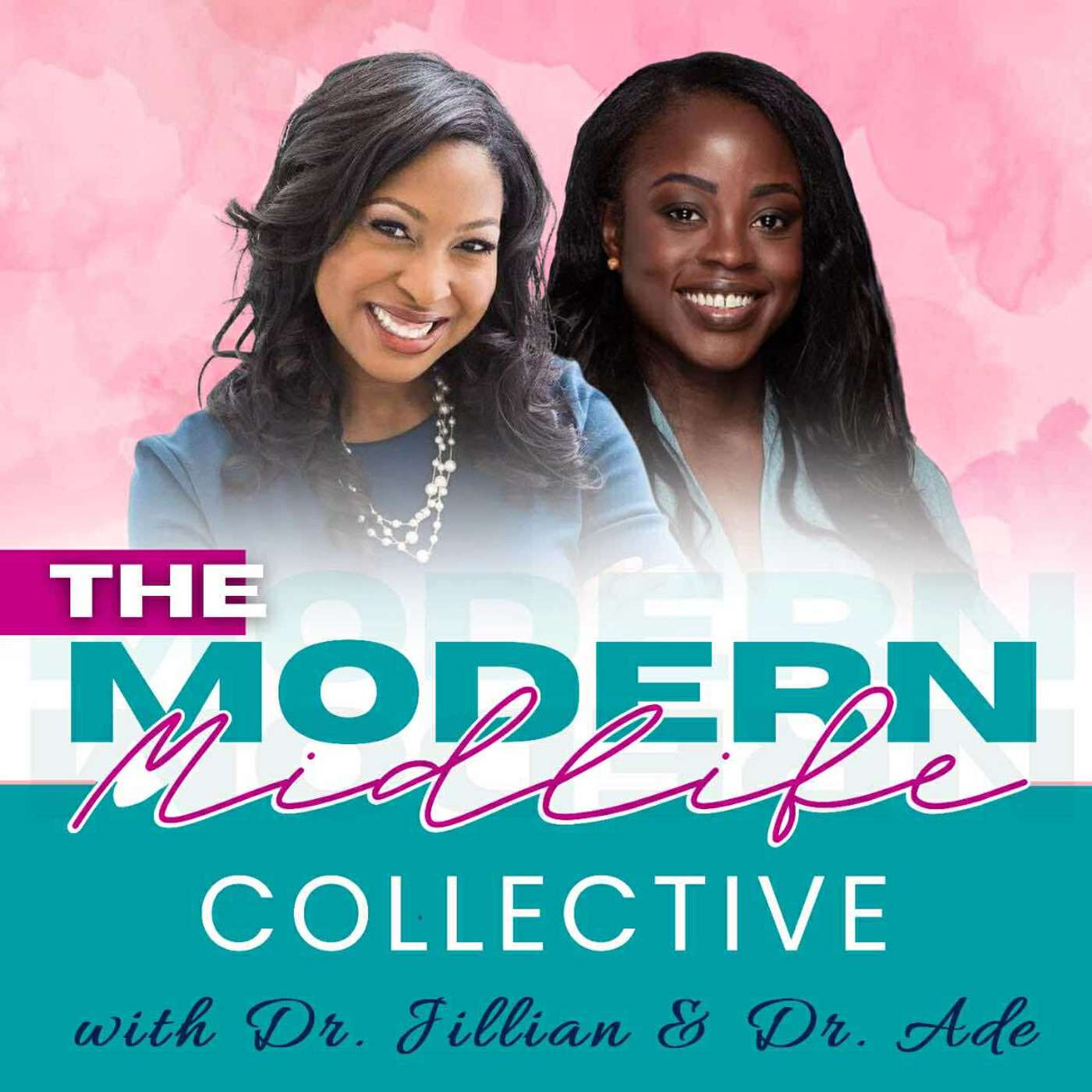
Episode 34: "I'm in Perimenopause — How Do I Know When It's Time to Start Estrogen?" episode artwork

EPISODE · Jun 3, 2026 · 25 MIN

Episode 34: "I'm in Perimenopause — How Do I Know When It's Time to Start Estrogen?"

from The Modern Midlife Collective · host Dr. Ade Akindipe, DNP, MBA, APRN, FNP-C and Dr. Jillian Woodruff, MD, FACOG, NCMP

I’m in Perimenopause — How Do I Know When It’s Time to Start Estrogen?Episode OverviewIn this solo episode, Dr. Jillian Woodruff tackles one of the most common and nuanced questions in menopause medicine: How do you know when it’s time to start estrogen?Recorded while on a family vacation on the East Coast — because some topics are too important to wait — Dr. Jillian walks through the practical clinical framework she uses every day in her practice. She covers the signals she looks for, why laboratory results alone are not enough to guide this decision, and why perimenopause is often the optimal time to begin the conversation — not years later when symptoms have already disrupted sleep, mood, cognition, intimacy, and quality of life.The episode also covers the relationship between estrogen and periods — including why estrogen can sometimes make bleeding worse in early perimenopause — the non-negotiable role of progesterone in any woman with a uterus on systemic estrogen, and a full discussion of Genitourinary Syndrome of Menopause (GSM) and why painful sex, vaginal dryness, and recurrent UTIs are treatable and should never be accepted as inevitable parts of aging.Key TakeawaysYou do not have to wait until symptoms become severe before discussing hormone therapy.Perimenopause is often the ideal time to begin evaluating treatment options.New symptoms matter more than isolated laboratory values.Hot flashes and night sweats are more than inconveniences and can affect overall health and quality of life.Early bone loss may be an important reason to discuss hormone therapy.Mood and cognitive changes may have hormonal contributors.Progesterone is often the first hormonal intervention considered in early perimenopause.Women with a uterus who use systemic estrogen require endometrial protection with progesterone or a progestin.Vaginal estrogen is a separate treatment category from systemic hormone therapy and has a different risk profile.GSM is common, progressive, and highly treatable.Resources MentionedThe  Menopause Society certified provider finder: www.menopause.orgSend your questions: [email protected] the video version: youtube.com/@drjillianwoodruff (available June 10, 2026)www.modernmidlifecollective.comAbout Dr. Jillian Woodruff, MDDr. Jillian Woodruff, MD is a board-certified OB-GYN, gynecologic surgeon, and Menopause Society Certified Practitioner. She is the founder of Modern Gynecology & Skin in Anchorage, Alaska, and co-host of The Modern Midlife Collective podcast with Dr. Ade Akindipe, DNP.SCIENTIFIC REFERENCES AND BIBLIOGRAPHYProfessional GuidelinesThe Menopause Society. The 2022 Hormone Therapy Position Statement of The Menopause Society. Menopause. 2022;29(7):767–794.American College of Obstetricians and Gynecologists. Hormone Therapy for Menopause. ACOG Practice Guidance and FAQ. Washington, DC: ACOG; updated 2022.SWAN Study — Vasomotor Symptoms and DurationAvis NE, Crawford SL, Greendale G, et al. Duration of menopausal vasomotor symptoms over the menopause transition. JAMA Intern Med. 2015;175(4):531–539.SWAN Study — Vasomotor Symptoms and Cardiovascular RiskThurston RC, El Khoudary SR, Sutton-Tyrrell K, et al. Vasomotor symptoms and cardiovascular risk in midlife women. Menopause. 2011;18(2):146–151.Perimenopausal Depression and PMDD HistoryCohen LS, Soares CN, Vitonis AF, Otto MW, Harlow BL. Risk for new onset of depression during the menopausal transition: the Harvard Study of Moods and Cycles. Arch Gen Psychiatry. 2006;63(4):385–390.Freeman EW, Sammel MD, Liu L, Gracia CR. Association of hormones and menopausal status with depressed mood in women with no history of depression. Arch Gen Psychiatry. 2004;61(1):62–70.GSM — Management and TreatmentFaubion SS, Larkin LC, Stuenkel CA, et al. Management of genitourinary syndrome of menopause in women with or at high risk for breast cancer. Menopause. 2018;25(6):596–608.Faubion SS, Sood R, Kapoor E. Genitourinary syndrome of menopause: management strategies for the clinician. Mayo Clin Proc. 2017;92(12):1842–1849.Bone Loss and Estrogen in PerimenopauseSowers MR, Zheng H, Jannausch ML, et al. Amount of bone loss in relation to time around the final menstrual period and follicle-stimulating hormone staging of the transmenopause. J Clin Endocrinol Metab. 2010;95(5):2155–2162.Perimenopause as Clinical Diagnosis — Lab LimitationsSantoro N, Roeca C, Peters BA, Neal-Perry G. The menopause transition: signs, symptoms, and management options. J Clin Endocrinol Metab. 2021;106(1):1–15.Endometrial Protection — Unopposed EstrogenGrady D, Gebretsadik T, Kerlikowske K, Ernster V, Petitti D. Hormone replacement therapy and endometrial cancer risk: a meta-analysis. Obstet Gynecol. 1995;85(2):304–313.

I’m in Perimenopause — How Do I Know When It’s Time to Start Estrogen?Episode OverviewIn this solo episode, Dr. Jillian Woodruff tackles one of the most common and nuanced questions in menopause medicine: How do you know when it’s time to start estrogen?Recorded while on a family vacation on the East Coast — because some topics are too important to wait — Dr. Jillian walks through the practical clinical framework she uses every day in her practice. She covers the signals she looks for, why laboratory results alone are not enough to guide this decision, and why perimenopause is often the optimal time to begin the conversation — not years later when symptoms have already disrupted sleep, mood, cognition, intimacy, and quality of life.The episode also covers the relationship between estrogen and periods — including why estrogen can sometimes make bleeding worse in early perimenopause — the non-negotiable role of progesterone in any woman with a uterus on systemic estrogen, and a full discussion of Genitourinary Syndrome of Menopause (GSM) and why painful sex, vaginal dryness, and recurrent UTIs are treatable and should never be accepted as inevitable parts of aging.Key TakeawaysYou do not have to wait until symptoms become severe before discussing hormone therapy.Perimenopause is often the ideal time to begin evaluating treatment options.New symptoms matter more than isolated laboratory values.Hot flashes and night sweats are more than inconveniences and can affect overall health and quality of life.Early bone loss may be an important reason to discuss hormone therapy.Mood and cognitive changes may have hormonal contributors.Progesterone is often the first hormonal intervention considered in early perimenopause.Women with a uterus who use systemic estrogen require endometrial protection with progesterone or a progestin.Vaginal estrogen is a separate treatment category from systemic hormone therapy and has a different risk profile.GSM is common, progressive, and highly treatable.Resources MentionedThe  Menopause Society certified provider finder: www.menopause.orgSend your questions: [email protected] the video version: youtube.com/@drjillianwoodruff (available June 10, 2026)www.modernmidlifecollective.comAbout Dr. Jillian Woodruff, MDDr. Jillian Woodruff, MD is a board-certified OB-GYN, gynecologic surgeon, and Menopause Society Certified Practitioner. She is the founder of Modern Gynecology & Skin in Anchorage, Alaska, and co-host of The Modern Midlife Collective podcast with Dr. Ade Akindipe, DNP.SCIENTIFIC REFERENCES AND BIBLIOGRAPHYProfessional GuidelinesThe Menopause Society. The 2022 Hormone Therapy Position Statement of The Menopause Society. Menopause. 2022;29(7):767–794.American College of Obstetricians and Gynecologists. Hormone Therapy for Menopause. ACOG Practice Guidance and FAQ. Washington, DC: ACOG; updated 2022.SWAN Study — Vasomotor Symptoms and DurationAvis NE, Crawford SL, Greendale G, et al. Duration of menopausal vasomotor symptoms over the menopause transition. JAMA Intern Med. 2015;175(4):531–539.SWAN Study — Vasomotor Symptoms and Cardiovascular RiskThurston RC, El Khoudary SR, Sutton-Tyrrell K, et al. Vasomotor symptoms and cardiovascular risk in midlife women. Menopause. 2011;18(2):146–151.Perimenopausal Depression and PMDD HistoryCohen LS, Soares CN, Vitonis AF, Otto MW, Harlow BL. Risk for new onset of depression during the menopausal transition: the Harvard Study of Moods and Cycles. Arch Gen Psychiatry. 2006;63(4):385–390.Freeman EW, Sammel MD, Liu L, Gracia CR. Association of hormones and menopausal status with depressed mood in women with no history of depression. Arch Gen Psychiatry. 2004;61(1):62–70.GSM — Management and TreatmentFaubion SS, Larkin LC, Stuenkel CA, et al. Management of genitourinary syndrome of menopause in women with or at high risk for breast cancer. Menopause. 2018;25(6):596–608.Faubion SS, Sood R, Kapoor E. Genitourinary syndrome of menopause: management strategies for the clinician. Mayo Clin Proc. 2017;92(12):1842–1849.Bone Loss and Estrogen in PerimenopauseSowers MR, Zheng H, Jannausch ML, et al. Amount of bone loss in relation to time around the final menstrual period and follicle-stimulating hormone staging of the transmenopause. J Clin Endocrinol Metab. 2010;95(5):2155–2162.Perimenopause as Clinical Diagnosis — Lab LimitationsSantoro N, Roeca C, Peters BA, Neal-Perry G. The menopause transition: signs, symptoms, and management options. J Clin Endocrinol Metab. 2021;106(1):1–15.Endometrial Protection — Unopposed EstrogenGrady D, Gebretsadik T, Kerlikowske K, Ernster V, Petitti D. Hormone replacement therapy and endometrial cancer risk: a meta-analysis. Obstet Gynecol. 1995;85(2):304–313.

NOW PLAYING

Episode 34: "I'm in Perimenopause — How Do I Know When It's Time to Start Estrogen?"

0:00 25:14

No transcript for this episode yet

We transcribe on demand. Request one and we'll notify you when it's ready — usually under 10 minutes.

Frequently Asked Questions

How long is this episode of The Modern Midlife Collective?

This episode is 25 minutes long.

When was this The Modern Midlife Collective episode published?

This episode was published on June 3, 2026.

What is this episode about?

I’m in Perimenopause — How Do I Know When It’s Time to Start Estrogen?Episode OverviewIn this solo episode, Dr. Jillian Woodruff tackles one of the most common and nuanced questions in menopause medicine: How do you know when it’s time to start...

Can I download this The Modern Midlife Collective episode?

Yes, you can download this episode by clicking the download button on the episode player, or subscribe to the podcast in your preferred podcast app for automatic downloads.
URL copied to clipboard!