
EPISODE · Aug 12, 2026 · 58 MIN
Episode 39: “The Pellet Factory Problem: Why One-Size-Fits-All Hormone Therapy Should Worry You”
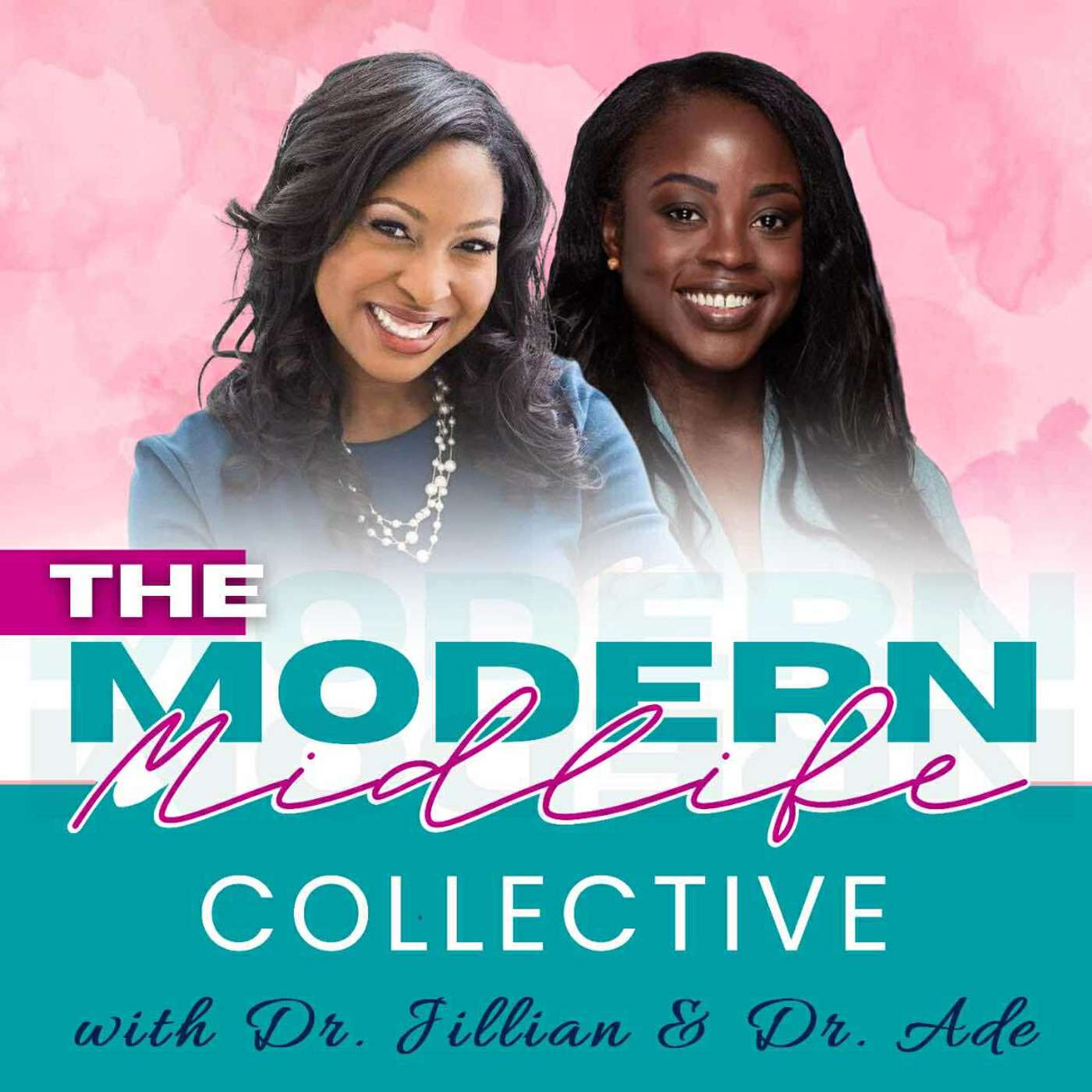
from The Modern Midlife Collective · host Dr. Ade Akindipe, DNP, MBA, APRN, FNP-C and Dr. Jillian Woodruff, MD, FACOG, NCMP
Hormone pellets are everywhere—from social media ads to hormone clinics promising more energy, better libido, improved strength, and an easier way to manage menopause symptoms.But are hormone pellets actually right for you?In this episode of The Modern Midlife Collective, Dr. Jillian Woodruff and Dr. Ade Akindipe take an evidence-based look at bioidentical hormone pellets—what they are, how they work, where they may be helpful, and the important trade-offs you should understand before having one inserted.They also tackle one of the biggest misconceptions in hormone therapy: the word “bioidentical.” Bioidentical doesn't automatically mean safer, more natural, or customized. It describes the molecular structure of the hormone—and many FDA-approved hormone therapy options are bioidentical too.And there’s another important consideration with pellets: once a pellet is inserted, the dose cannot simply be turned down or adjusted the way it can with a patch, gel, or pill. You're committing to that delivery method for the life of the pellet.That doesn't mean pellets are inherently bad. For the right patient, with thoughtful dosing and appropriate monitoring, they may be a useful option.The key word is individualized.✨ Hormone therapy should fit the patient—not the clinic's business model.✨ “Bioidentical” doesn't automatically mean “safer.”✨ And no single hormone delivery method is right for every woman.In this episode, we discuss:What bioidentical hormone pellets actually are and how they workWhat “bioidentical” really means—and what it doesn'tThe difference between compounded pellets and FDA-approved hormone therapyWhy pellets can sometimes produce supraphysiologic, or above-normal, hormone levelsThe biggest limitation of pellets: why dosing can't easily be adjusted once they're insertedWhy appropriate monitoring matters throughout hormone therapyThe importance of progesterone when estrogen is used in women with a uterusThe potential role of testosterone in libido, energy, and muscle strengthWhy the goal of testosterone therapy should be symptom improvement—not chasing the highest hormone levelWho may be a good candidate for hormone pelletsQuestions to ask before choosing a hormone delivery methodWhy a clinic that offers the exact same treatment to every patient should make you ask more questionsThe truth about hormone pelletsHormone pellets aren't automatically “good” or “bad.”They're one delivery method among several.The right hormone therapy depends on your symptoms, medical history, individual risk factors, treatment goals, response to therapy, and appropriate clinical monitoring.Pellets also come with a unique trade-off: unlike some other hormone delivery methods, the dose cannot be easily changed after insertion.That's why an informed conversation before treatment matters.If every patient who walks through a clinic's door is offered the same hormone treatment—regardless of her history, symptoms, or individual needs—that isn't truly personalized hormone care.You deserve to understand your options, the benefits, the limitations, and the risks before making your decision.Key TakeawayThere is no one-size-fits-all approach to hormone therapy.Pellets may be appropriate for some women, while patches, gels, creams, oral medications, or other approaches may make more sense for others.The goal isn't to choose the trendiest delivery method.It's to choose the right treatment, at the right dose, for the right patient—with appropriate follow-up and monitoring.🎧 Considering hormone pellets—or already using them? Listen before your next appointment and bring your questions with you.If this episode helped clarify your options, share it with another woman navigating hormone therapy in midlife.Download Your Free Hormone Therapy Methods Guide📩 Have a question or topic you'd like us to discuss?Visit modernmidlifecollective.com or email us at [email protected] MentionedThe Menopause Society — Hormone therapy information and clinical guidanceAmerican College of Obstetricians and Gynecologists (ACOG) — Guidance on compounded bioidentical menopausal hormone therapyWomen's Health Initiative — Research and long-term follow-up on menopausal hormone therapyReviews published in American Journal of Obstetrics & Gynecology and Obstetrics & Gynecology addressing compounded hormone therapy and endometrial safety#HormonePellets#BioidenticalHormones#HormoneTherapy#HRT#Perimenopause#MenopauseSupport#HormoneHealth#WomenOver40#MidlifeWellness#ModernMidlifeCollective
Embed this episode
NOW PLAYING
Episode 39: “The Pellet Factory Problem: Why One-Size-Fits-All Hormone Therapy Should Worry You”
No transcript for this episode yet
Similar Episodes
Oct 3, 2025 ·19m
Similar Podcasts
No similar podcasts found.