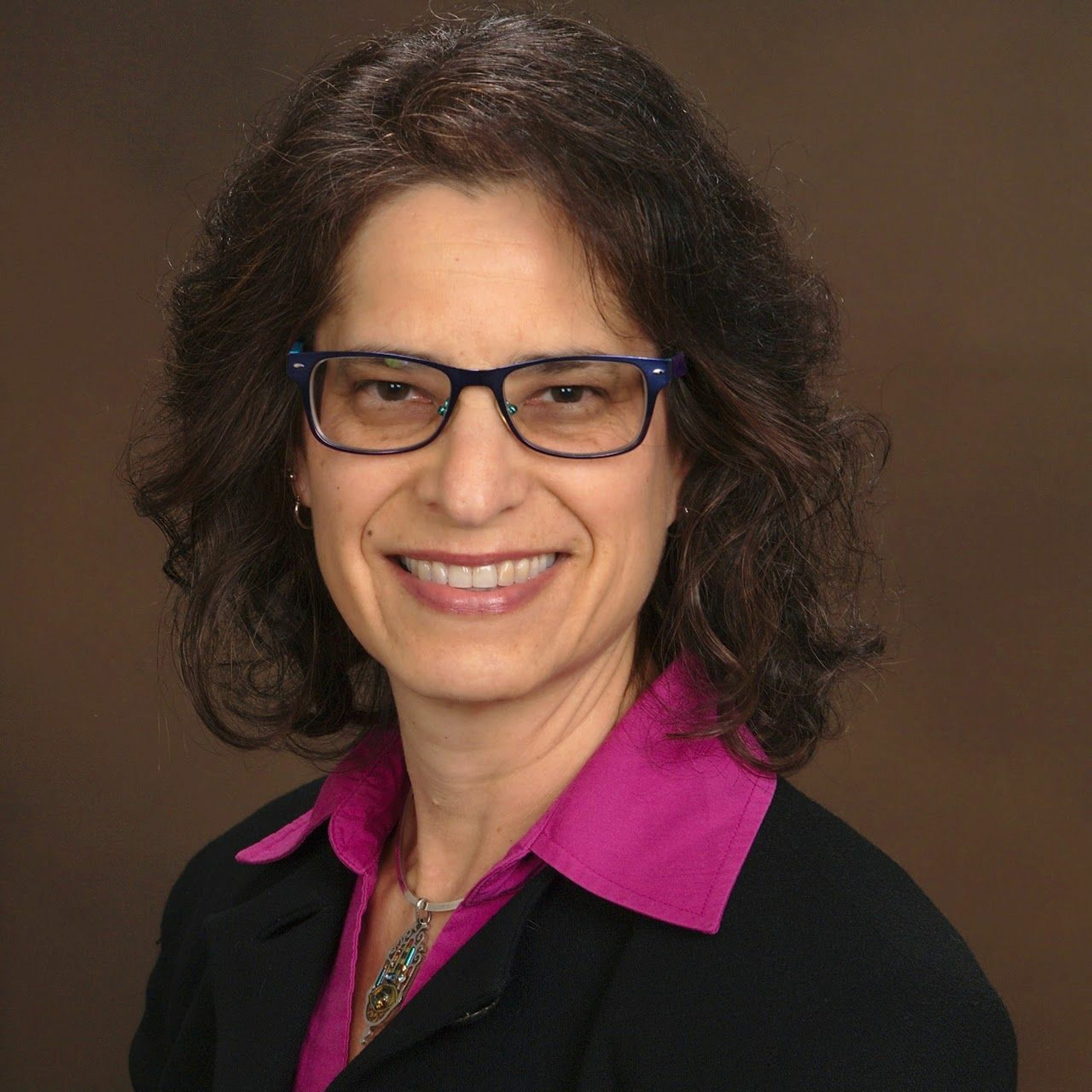
Hello and welcome to Risk Cats, whatever. I'm your host, Paul Marshall. Today we're talking about climate related risks and financial reporting. Our guest is Robin Gilliam from Faceab.
This is another dual cast as I call it with AGA. We decided to put it out on both podcasts. We thought it had relevance to both sides here, so Let's talk with Robin. Hello and welcome to the podcast.
All right, so today we have an exciting and timely subject We're gonna be talking about some of the climate change guidance that's coming out of Faceab and to do that We have with us today Robin Gilliam. So Robin, hi, how are you doing? Good. How are you doing today?
Doing good. It's Friday So it's always a good thing. So yeah, so I'm ready for the weekend, but before we do that I want to talk about this so Robin, why don't you give us a little bit of intro about yourself there and Then we'll kind of jump into a little bit about Faceab and we'll jump into the topic Great. Thank you.
Thank you for having us. We really appreciate joining you for the podcast So I've been in the federal government since 1997 started working on the auto financial statements at the Census Bureau after that I went to commerce and started working on actually core financial systems and from there I went to the Treasury Department for quite a while nine years and worked on systems there and also certifying policy and Treasury financial manual and then stopped over at Labor for a short period and then from there I found my way to Faceab the federal accounting standard advisory board has been there since 2013 and I am currently the lead on Management discussion analysis project as well as you mentioned the new climate project that we have on a CPA and also project management professional All right, awesome. Well, I think you want to say something about this is your opinion not the opinion of the board, right? Yeah, thank you for reminding me about that actually Our technical disclaimer is that this material or anything that I speak about is presented for discussion purposes only It is not intended to reflect authoritative use of the face app or staff official positions of the face app are determined only after Accentives due process and deliberation and with that I'll talk a little bit about our board the face app is a nine-member board There are three members from the federal community.
We have a member from GAO OMB and Treasury. They are our sponsors And then we have six additional members that are non-federal and they come from academic CPA firms and also consultants All right, so why don't we jump into the topic here? So we're gonna be talking about this face app project accounting for climate related financial reporting So yeah, just give us an overview. No, how did it start?
Why'd you all start talking about this? Yeah, go ahead and give us a little insight Right. Thank you. So I think it was late 2017 and we had two people come over to face that one was an architecture and one was a scientist and they were part of this group called the federal Adaption resilience group and they wanted to know what kind of accounting standard face app had for Adaption resilience for climate and at that time we didn't know that much about it and we took a pause and said hmm Let's look at our standards and we actually developed a toolbox of standards that agencies could use in relation to their property plant and equipment So if property plant equipment was damaged destroyed or impaired as a result of a climate related event Which we're saying for our purposes is you know stream weather events and we had standards that could address that We also were looking at the management discussion and analysis which we call nDNA She say well if you have a risk going forward, then that's a good place to put that to talk about that And at that time there wasn't much talk in the accounting world about climate So we developed this toolbox and then we started to present it to different organizations and agencies to just start the education on climate In December of 2020 we decided it was time to maybe actually bring this up as a official technical project on the board and we had a Education session with four very prominent people in the climate community.
I'm Adam Smith He's a lead scientist on the NOAA US billion dollar weather and climate disaster We had Alfredo Gomez the director of natural resources and environmental team at GAO and Joe Thompson and assistant director at the same GAO team and then and cosmo is the architect at the GSA administration office of federal high-performance buildings So I pulled them together to educate the board on the fiscal risk to the government about financial about the climate risk that we have and at that time the board moved this into a research project so we were researching From a standard point of view what we thought needed to be done and then we came back at the table in April And the reason it was such a long time was because we were researching and I was also involved in a pretty extensive pilot for the nDNA so we just came back act it was August we came back in August and Climate related financial reporting project got moved to the technical agenda. This means it's officially an active project We brought a project plans the table to what we thought we should be working on During our research period the executive order 1430 was signed on May 20th 21 by the president and it was entitled climate related financial risk And that changed the scope of our toolbox So if you remember our toolbox relates just to property plant and equipment and this extended it or expanded it rather to federal lending programs and also all assets and liabilities So we had to take a step back because now instead of a project that just related to PPE we were going to look at all of our standards So when we came back to the table in August we recommended doing a Kind of a paper that first of all is identified like a catalog of what standards existed like the toolbox But just expanded there were other standards that are like FASB and if FASB and IFRS and I Don't want to go past those acronyms. I'm not sure I'm gonna get them all right If that's the international public accounting standard board IFRS is International financial reporting standards I think and then FASB is the for the commercial federal financial accounting standard for they all had put out staff papers the questions and answers around the climate topic and I thought that would be great take our Toolbox and expand on it and so that's what we recommended and over the last two board meetings August and October We've already in November and December. Yeah August and October We talked about that paper and so right now we are coming back in December It will be the board decided will be a staff paper which means it's not authoritative So we staff can publish it the board does it doesn't have a little bit of a review on it and it will be a catalog of existing standards and what can be used to account for and report on climate related events which are the extreme weather events and Climate related financial risk which is more of a forward-looking piece So that's coming to the table in December on the 14th.
I will be on presenting the board in the morning We'd like to recommend that anybody can come and listen it's still virtual and we're zooming now So if you can please we'll tell you at the end how to do that the other thing we're looking at is a framework for climate related to financial disclosure The task force for climate related disclosure put out a number of recommendations I think in 2017 and around the world Organizations governments have been starting to implement this so we're looking at developing that ourselves based on that But not limited to that because it's very difficult to actually map from commercial Requirements and disclosures over the government in commercial you have obviously there before profit its investment is your investment going to make me money What is going to impact my investment and that's what they're starting to do in a commercial world is making sure that those investments are Disclosed and transparent on the government side. We're not looking to make money But our programs what is going to affect our program and how do we get these risks into the financial statement information? And again, don't forget the disclosure. There's a slamer piece I talked about my opinion is it used to come into the budget the climate related Financial risk needs to come into the budget through the president's Assumption and once it comes into the budgets it should flow naturally into the financial statement So that's a piece that we're hoping happens from this executive order So we will be working on a framework once we're finished with the paper on how we are looking at doing financial climate related financials disclosure The other thing we are doing is we are monitoring strategies that are coming out of the executive order in relation to treasury and omb guidance And we are actually working to collaborate with them so that we're all Basically marching to be using drummer.
We know what they're doing. They know what we're doing and that way We are working together to make sure these Disclosures and requirements are in sync in fact. We just work with omb on the federal lending and To learn more about like what needs to be updated in the standard and we're continuing to collaborate with them We are also collaborating with the other public standard setters such as it's bad be and I'm possibly gazzy, which is the government accounting standard for and they do local and state and it's as he is putting together to take If we can't do quarterly meetings to make sure we're all talking about what we're doing what's working for us What's not working? Where they're at where we're at so that we're all communicating because as I said working out from a public standpoint is a little bit more difficult I think that pretty much wraps it up right now I think the other thing that is really important is if you're listening in from an agency from the aga side And you're not sure What if the standard have the information that you need or the guidance that you need for a specific climate scenario?
Because this is very new to everybody we're recommending that you fill out our technical inquiry there the page in our website Which is www.s and franklespaceapp.gov Better accounting standard advisory board Please complete a technical inquiry for staff to analyze it to see if there is a need for an amendment to generally accepted accounting principles Gap the gap and if there are if there needs to be new gaps And that is the best way we can help you and also reach out to other agencies to see if anyone else is having the same issue The other thing we want to say is that face-out does not operate in a vacuum As I said we are collaborating wherever we can and we are very interested in what our stakeholders either use of the financial statements and or prepare an auditor need help with so we highly recommend getting on task forces And work working groups join our meetings right now They are so virtual and the way you can do that is to sign up for our listserv also at face-out.gov That you know when we put out any new information and when the agenda comes out for our meetings Great. Yeah, we'll definitely share that. Yeah, let's share some of those links on the site too as well And when I want to ask I mean if you have something for us, I think we have talked about maybe an example Kind of put this all into perspective with a real example Maybe from the DoD world or something you know why agencies realize that it's important to kind of bring the climate Factors into their reporting Sure, that's a very good question. So in 2018 the Department of Defense that we know that I know about my research got hit with two major hurricane One affected camp was June and the other one's Kindle base and um, you know air force base I think had five point five billion dollars in damage and camp was in that three point six billion dollars in damage So what that means is they needed that money that wasn't in their budget to actually restore their basis to back to operations And if I remember from camp was June there was over a hundred and some assets that were either damaged or destroyed and so They there was one that was originally from the I think from the worried it was their headquarters.
It was originally a hospital and it wasn't even built to any kind of standard code currently So they were gonna have to actually Redo that building move it away from the water bring it up to code Climate codes that are coming up and those are also under constantly under improvement too So they had to do that one of the night one of the most Not that exciting, but the pictures are really exciting if I could show you pictures There was a trestle air railroad that went from one side to the other into camp was doing it It was where they brought in equipment and it was wood and it was totally destroyed by the creek that flooded below it And that was one of the first things I had to restore it was like 2.6 There was a lot of money to restore and my father bring up on that A lot of money to restore that and they brought it up to code that they put it on a serious concrete base and so it should What they did what they adapted it for any kind of future flooding so that they shouldn't have this kind of problem again Anticipating that this is gonna happen again. And that's the most important thing for agencies is to stop and say We're not gonna bring up the code, you know We have to look forward and say how are we going to adapt and become resilient To climate because these extreme weather events are gonna keep happening and we don't want to keep having to replace the repairs as a quick PP&E property plant and equipment. So what are we gonna have to do that? That's what can't and talking about that.
That's her job at GSA is to do those kind of assessments as what buildings need and that is what the executive order 1403 talks about in the fact they just put out a roadmap to support that and that gives you information about what they the government the president and You know one agencies to be looking at in relation to becoming you know more client adapt and to Really manage those climate related financial risk Right in relation to the billion. No, just gonna say did you have more information on that road map? I think there were like three or four major areas that addresses that it feels will really be impacted by climate I do this roadmap was put out on october 14 2021 and it's the road map to build a climate resilience economy and there were 22 three four five six areas underneath the risk that have information for what they're planning to do of course It's a road map and it's a gears everybody up to what they're gonna do financial regulation is one protecting American life Babies and pensions for everybody listening. It's not we're not the federal boys.
We also have our intention So, you know our 401ks our TFCs. So you wouldn't stop when I read this like oh, that's in date That's that risk also. So what are they doing for that federal procurement? They're starting to look at the policies and procedures behind procuring and our agencies.
I mean our contractors Where are they with a zero emissions moving towards 2050 and are they doing that and if they're not doing that There might be new policies and procedures about whether they will be contracted or not So there's that kind of thought process going on federal budgeting financial management reporting back for face-out This and the budgeting and they're looking at those management assumptions and That's where you will be putting in into your budget line items to get ahead of this There are studies out there that for every dollar that is spent Companies agencies can save between three and eleven dollars And that depends on the type of disaster And so the government with this roadmap is trying to get ahead of it and being more proactive right now We are very reactive as you can see with the examples from dod. We're reacting to that eight billion dollar Problem with those two bases and it actually what if what if they had spent the the two billion upfront to bring me that that's Up to an adoption resilience place would that have saved us? You know six billion that's the thought that's going on now is that the government needs being more proactive and the same thing across the entire world We're not the only one the entire world is starting to look at this Right the next one is federal lending. Oh, I'm sorry.
I just want to interject a thought on that because it actually makes me think of um When you talk about getting adapting, you know those assets, you know, it's almost like earthquake proofing your house or hurricane proofing if you live in the Caribbean, right? It seems like a similar concept It is I actually took a whole course on built. I was probably only cpa to put it to the architectural course on built. It's the ILT um That's what the architects call it and depending on what kind of weather situation will depend on how you would adapt your house So if you're in a more windy area or a wind tunnel and a wind really whip through there Then you're going to want to look at how to adapt to materials that can withstand that kind of increase the wind I can give you a personal example that my house.
I was having flooding coming into my basement Um the door was old the frame I think was dry rotted and the water would come down for some reason my driveway is a conduit It took a trip to big bay and so it would come down the the hill little hill and then turn into my driveway and just kind of stay there and come through my door So we actually went and bought a new door for that and I made sure I went with a company that had materials that were more Climate thoughtful and then I also learned that water There's a number of different ways water can impact your home or your building it can be standing water It can be water that is moving like in a hurricane where it's pushing in it coming in from a water source So you've got the pressure of the water it can be raining hard and flancing down into your door Um, so it can come through that way. There's a number of different ways that water itself can damage earth earthquake price inferences There's a good a good example. They a lot of their buildings. I think when they when they build there they have to build for earthquakes You know they can prevent it but adaption so the buildings will sway, you know with the earthquake versus crack open from an earthquake Um, what else they're there?
We're doing research in the roof house. We're doing research into concrete and asphalt because the temperatures are getting hotter and can these materials withstand That's kind of temperature change roof material so that they will stay on during a windstorm um, California with the wildfires if you have a house in California They highly encourage you to clear everything around your house including any plastic or those kinds of chairs that are there um, it should be more glass and That would be what you would adapt if you live in a In a fire dome like that the wildfires. So yeah, there is a way to there is a lot of information up there And if for the agencies if you're going to build out your Building or upgrade your building sometimes the code the regular building code is not enough You might even want to go down to the county level because they're sometimes even more stringent and they're more up to date with the Climate and what the climate what you need in relation to the climate. There was a story I saw I think was day County in Florida And they said that you know the theme of flood maps and some of the theme about information was outdated and they actually had to go Go far beyond that.
Um, I think themas trying to bring up their their information now But they'll go beyond that because they're looking at raising that area like on 10 or 20 feet I mean they're raising the whole area and how did they do that? And do you just raise up 10 feet or do you look further and raise up 20 feet? I mean, I think New York City in a certain area is looking to raise up also So there's a lot of work being done local areas that you can there's so much information out there about climate And who's doing what and what they're looking at? I know I live in an Atlas mural and they're looking at putting a seawall down in the historic area Because they keep flooding down there to keep the day from coming up onto into an Atlas of the area down there So yeah, there is a lot of there's a lot of things to be considered when we are adapting our personal and or federal property for these different types of weather activity and depending on where you're at and what which one is most prominent Actually done that fascinating for sure.
You actually want to ask you to Um, you know because we're also looking at risk management to agree here. Um, but also I mean, wouldn't you think there's also a lot of opportunities here You know for the government as well. So let's say certain government agencies have revenue or fees based on this type of thing, but in the future it's going to be this type of technology or this type of climate related, you know impacts So I mean, it's not just it's not just risk. There's going to be opportunities here too, right?
I personally think there is a lot of opportunities to get involved and do the adapting resilience and Be flexible and change the way we do business. We need to change the way we do business Right. We you know gsa is probably gonna. I mean gsa is probably going to have to move to a fleet of electric vehicles Um buildings are gonna have to go greener in their emissions.
I didn't realize buildings admitted their own emissions I guess they do. Um And so every agency is going to have to take a look at their part and there was another There was another um Executive order a little earlier on that was geared towards the agencies and I don't have that number off top my head and there They had to come up with a strategic their strategic plan for how to deal with climate related financial risk And yes, in looking at the risk we you know erm and affirm that it is a good time to start talking about the opportunity And how sending that more money up front Is going to save money in the back end and then how are we going to come more efficient effective in our processes and procedures in relation to this? So actually I think we found the opportunity to go out with the risk once we get our hands around it Right. And I think the other one with covid, you know, it seems like the perfect opportunity We've been at home for two years and we're still working, you know, maybe the government looking at this looking at some strategies to reduce The buildings we even have the owner lease and they're you know the emissions from cars and right?
That seems like a huge impact of more people working from home on a long-term basis or something like that It is and I think you know each agency comes up with their own policies I know that where I work based out is house and GAO is going to legislate it size So there you know we've been pushed back While the DV and all the different covid things have come out we our dates have been pushed back So I think in January they'll start talking again when we come back and what that's going to look like and will our contract for um, you know teleworking different we had an extended telework and then we had I was having a 50% telework So what is that going to look like going forward? So yeah, every agency is going to have an opportunity to review that and then also in relation to the emissions that we're creating Now when I get in my car, I'm like, oh, I need to see emissions footprint And I don't drive that much anymore, right? I don't drive that much anymore. Yeah, but even all the those are definitely good opportunities Right and all the reduction in plane travel to the planes are a big one as far as emissions Yeah, we were talking about this the other day that You know they're gonna our planes gonna go to electron, you know, electric it's gonna be interesting to see how all the industries Transform how we do business and how what vehicles are using and how they're fueled right to get us in one place to another To be very fascinating to see how that works and exciting.
I think it's really exciting Yep, how protect the earth and You know, and for our children and grandchildren Yeah, and the earth and for the earth safe, right? I mean the world just keeps changing We have to like you said adapt and be resilient to it, right? So I mean I think it makes total sense to have some help here some standards to you know So we can kind of get these things in top of mind for many reasons Um, so I was just gonna say maybe to wrap it up if you want to give us some final thoughts Maybe just reiterate. I know you have the December you have the uh, uh, uh, The I'm sorry about the meeting coming out maybe talk about that again and if some of the links that we can provide folks to learn more Yes, and I think what you just said was a very good point to taking it back around to accounting standards the catalog The document that will be coming out.
We're hoping Um, I can't really give a date until the board decides but we're hoping You know winter spring that catalog comes out in the meantime if you want me to come out into a presentation on the toolbox The toolbox will be updated though according to that catalog But the accounting standards are there to help you account for the activities that you're going to be doing the impact to your assets and your liabilities So a climate related event is something that has happened. It happened. Did you have any damage? We're within you can destroy.
Did you have any impairment to your assets or any other liabilities? Um, we're talking about things now such as contingent liabilities. We're talking about the environmental cleanup cost. We're talking about Um, social insurance, you know, there are impacts that you might not think of that could be impacted if the assets underneath leases Um, our damage are destroyed and so we have it will be a lift of how you can use those now the assets are not explicitly talking to climate change But they can be implied and then applied to your scenarios again if your scenario if there's not a scenario that we can address them We do recommend a technical inquiry as far as the climate related financial risk that is or opportunity that is a future futuristic What are you looking at now and mitigating?
Right? What do you need to mitigate to either increase those opportunities or manage those risks? And there's a couple of standards that talk about where you might talk about that and in particular management discussion analysis Even though those standards are in the process of being updated the current one still talk about a forward looking piece that is where you can talk about that just like and covid You know a 136 which is a form and content memo from omb put a covid Discussion in mDNA. They are probably going to put a climate one and we're working hand-in-hand with them to make sure everything synchronized So I would say the agencies keep your eyes on that there's already a recommended reporting for mDNA and a 136 And then I think it will be required so that because the budget wasn't out yet So I don't think they could because of the timing they cannot require it for this coming up financial report so that is You know the benefit of the standards and from an erm point of view climate's going to be a bigger player Definitely in what you're going to be mitigating and watching as far as our activities We have a face-ab board meeting every two months the board meeting this month is usually two days, but it's one day this month on tuesday December 14th We should be getting out the agenda the agenda will probably come out in December closer to the meeting But I can tell you that the first we're having an education session on esg which is environmental social governance Climate fits into that the environmental piece But our board wanted to understand more about that bigger picture So if you're interested in that we have korean dorney from kpm g&sh.
We'll be giving an education session So come and listen to that and right behind that. I will be at the table the virtual table with the climate People are going to talk about the catalogs that we're putting out in the document and if the board is ready to move that forward For publication it will go on our website the other thing I will be working on with our communication session with lea tiger is updating the website to Make sure it's very clear on the front page where the information is about climate most of that will sit in my Project so that the document was published with at the top of my project page So that is very easy to find the information And the only other thing I would say is you know reach out to me It's probably we'll put out information out to how to reach me if you have any questions the technical inquiries are really important for us To gather and figure out what we need to present to the board and you know We're here to work with you and hopefully we all can learn together how to account for and report on climate-related events and financial risk Great. Well, this has been very informative and thank you Robin for coming on the podcast today Well, thank you so much for having me. We really appreciate the opportunity That's the show.
Thanks for tuning in Confirm.org is where you go check out all our content all our podcasts Have some more coming your way soon here as we're wrapping up the year So until next time, it's your most powerful signing off for the recent chats with the firm