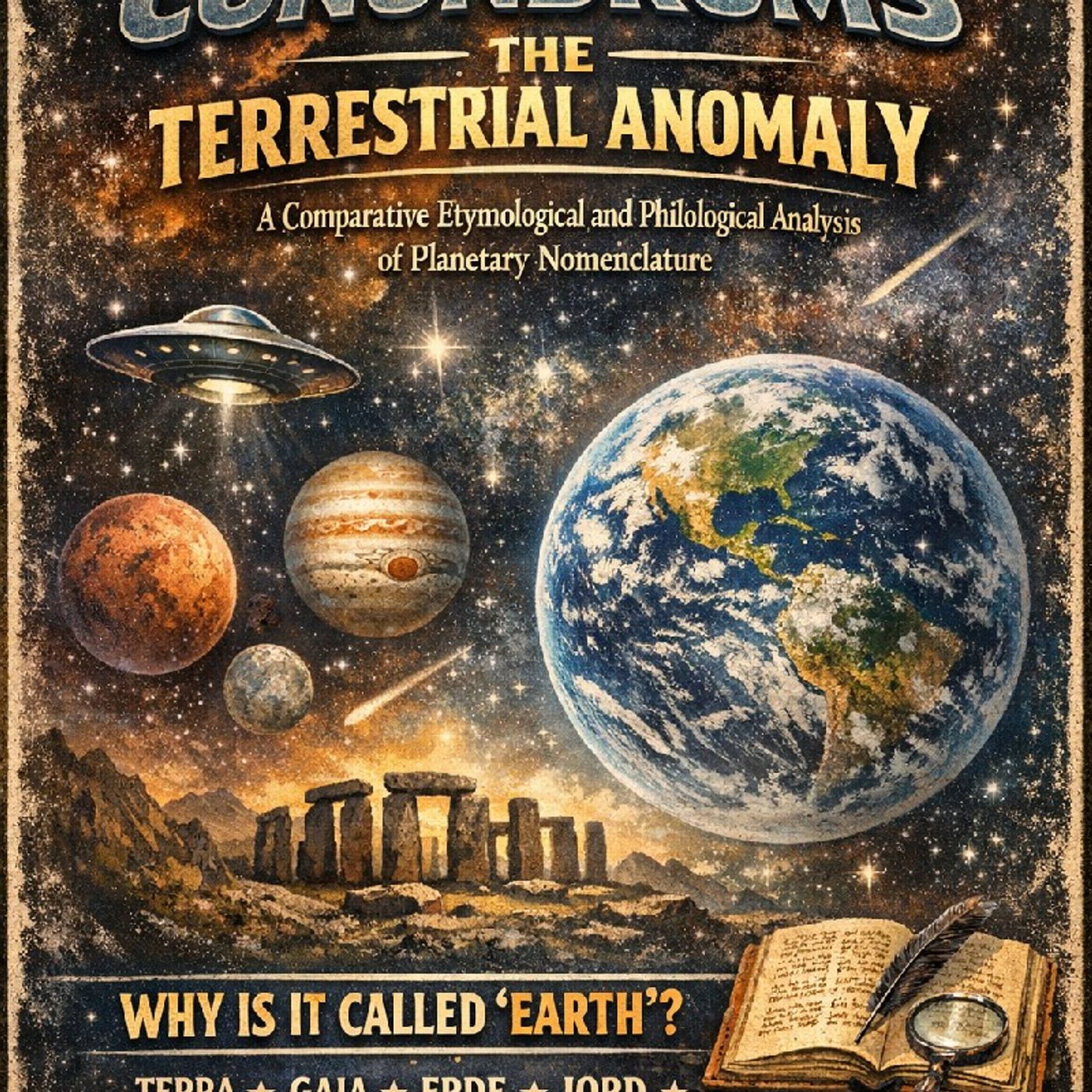
Episode 668 - Cosmic Conundrums episode artwork

EPISODE · Apr 15, 2026 · 5 MIN

Episode 668 - Cosmic Conundrums

from Kevin McFarlane's podcast · host Kevin McFarlane

The nomenclature of the solar system represents a unique intersection of ancient mythology, observational astronomy, and linguistic evolution. While the celestial bodies visible to the naked eye have been integrated into human culture for millennia through the personification of deities, the planet inhabited by humanity—Earth—occupies a distinct position within this naming convention. Unlike Mercury, Venus, Mars, Jupiter, and Saturn, which bear the names of Roman gods inherited from earlier Babylonian and Greek traditions, the name "Earth" is a Germanic construction derived from common nouns signifying the physical material of the ground. This etymological divergence serves as a linguistic fossil, preserving a period in human history when the land beneath one’s feet was perceived as fundamentally different from the "wandering stars" of the firmament. The following report provides an exhaustive examination of the linguistic roots of "Earth," contrasts these origins with the mythological lineages of other planetary bodies, and explores the cross-cultural conceptualizations that have shaped our understanding of the world.

The nomenclature of the solar system represents a unique intersection of ancient mythology, observational astronomy, and linguistic evolution. While the celestial bodies visible to the naked eye have been integrated into human culture for millennia through the personification of deities, the planet inhabited by humanity—Earth—occupies a distinct position within this naming convention. Unlike Mercury, Venus, Mars, Jupiter, and Saturn, which bear the names of Roman gods inherited from earlier Babylonian and Greek traditions, the name "Earth" is a Germanic construction derived from common nouns signifying the physical material of the ground. This etymological divergence serves as a linguistic fossil, preserving a period in human history when the land beneath one’s feet was perceived as fundamentally different from the "wandering stars" of the firmament. The following report provides an exhaustive examination of the linguistic roots of "Earth," contrasts these origins with the mythological lineages of other planetary bodies, and explores the cross-cultural conceptualizations that have shaped our understanding of the world.

NOW PLAYING

Episode 668 - Cosmic Conundrums

0:00 5:30

No transcript for this episode yet

We transcribe on demand. Request one and we'll notify you when it's ready — usually under 10 minutes.

No similar episodes found.

No similar podcasts found.

Frequently Asked Questions

How long is this episode of Kevin McFarlane's podcast?

This episode is 5 minutes long.

When was this Kevin McFarlane's podcast episode published?

This episode was published on April 15, 2026.

What is this episode about?

The nomenclature of the solar system represents a unique intersection of ancient mythology, observational astronomy, and linguistic evolution. While the celestial bodies visible to the naked eye have been integrated into human culture for millennia...

Can I download this Kevin McFarlane's podcast episode?

Yes, you can download this episode by clicking the download button on the episode player, or subscribe to the podcast in your preferred podcast app for automatic downloads.
URL copied to clipboard!