So what do we expect today? We're going to post a follow-up. Hey, we're going to be checking Monday, where we're from USDA. We're all going to be posting our communications for a advisory program.
Hello. And what the podcast? Say we have Jackie from USDA. Good morning.
Good morning. OK. We're happy to have you today. And we thought we'd talk a little bit about your rollover at USDA.
But also, I think our main topic for today is just communication. And we'll really get into some details about things that's a good topic for today. So if you don't mind, Jackie, just give us a little bit of your background. What do you do over at USDA?
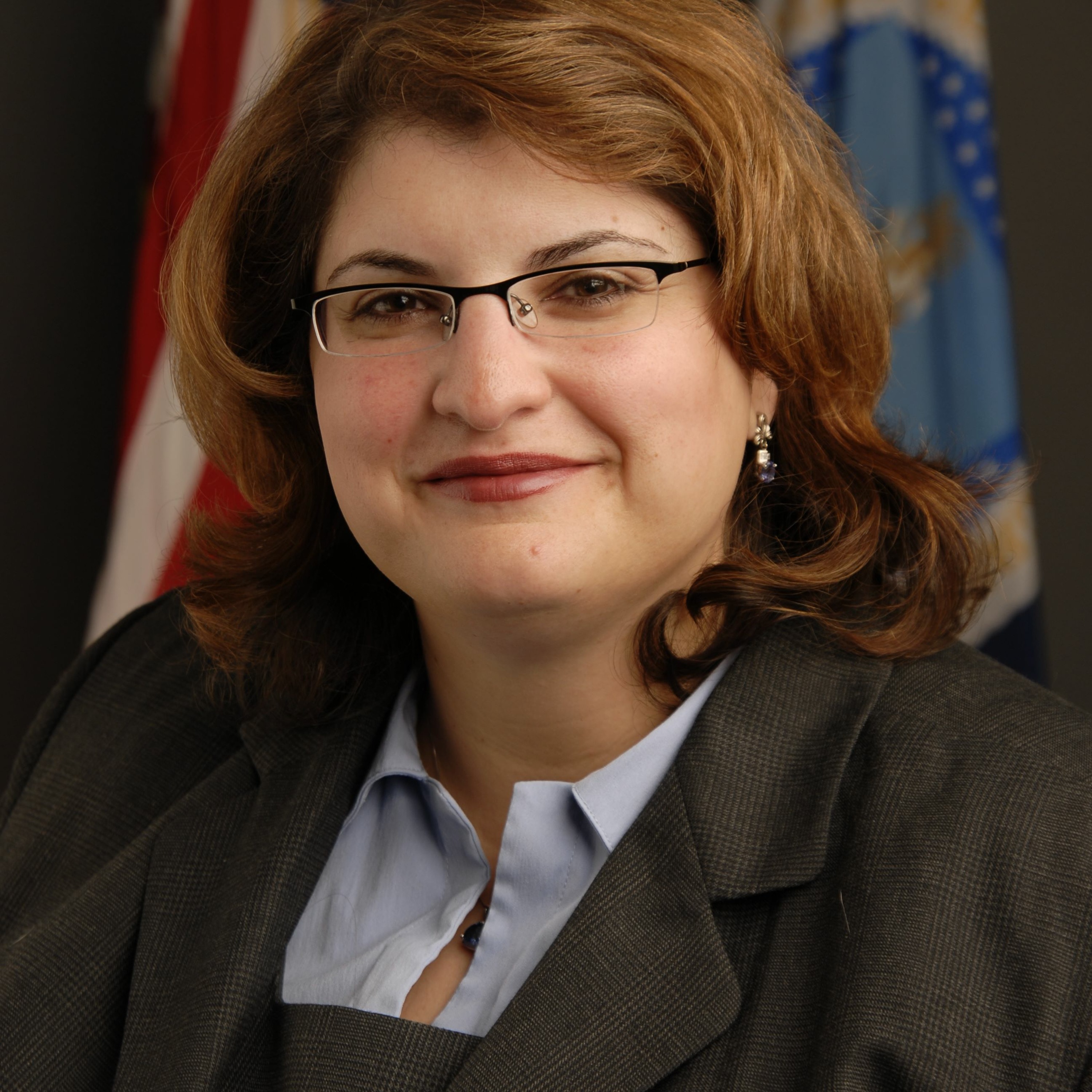
Hi. I'd be happy to. My name is Jackie Montilazar. We're a chief officer for USDA World Development.
We're an agency who provides loans and grants and technical assistance to rural communities across the country. And we have a portfolio of about $240 billion that we manage. And we lend $20 billion each year. Well, OK.
So I'm sure there's some different risk areas that you all consider over there, like our volume or size. So yes, it's a little bit about your philosophy on communication and successful program for risk management. Yeah, when I took the job as the risk officer, I was coming out of 12 years of running programs. And one of the things that I felt was really important was that we make sure that everyone at every level in your organization understood why we existed and what value it might bring to them.
Right. So communication was a cornerstone of all of our planning from the very beginning. And we've kept that going for the last two years. And I think it's helped us along the way.
So when you start off, you actually come up with a plan or something formal. Was this a new head? I think we're great communications in that. Well, throughout my career, I've held a lot of senior jobs.
And whether it was running policy jobs or IT efforts, we always had a communication plan. So it felt natural to create one from the beginning, but you've evolved over time. But it included a variety of methods to communicate with staff. And really kind of understanding why and when we need to be talking to various parts of the agency.
So for USDA, so did you all start from the top of the bottom of the approach? No, was that? Yeah, I think most ERMC and upstart with our senior executives. And in our agency before I was hired, our senior leadership had done a series of get to understand ERMC.
Which was nice in the year before. So there was some general knowledge that this was coming and what it was. But my colleagues, when I left the ranks of running programs and moved to the workshop, really wanted to understand better what it meant. And we did.
We started with the senior leadership. And at the same time, we got efforts to create messaging products for the general staff. We were pretty active staff. They're very interested in what's going on in the national office.
They're distributed across the country. And so we began with a series of webinars for that. Just to use our same webinars with little information about the national office and across the field and then for staff. And one of the things I really liked about what we did was we were able to make them interactive and we collected data about their understanding throughout the presentation.
And at the end, we asked them, did you understand what we talked about? And they were honest with us. Some of them said they didn't. But it allowed us to recalibrate each time we did a new webinar.
We would incorporate that feedback in and see if we could get those scores a little bit higher. So I'm wondering what are the things that folks have been really excited about? It's a conversation with the concept of webinars. So one of the things that I drilled into, I started with just me and my assistant and a couple of contractors.
But as we brought some folks on, the most important thing is we used all of the links. And these are people who are professionals and there's folks, but they don't have the time to learn our link. So we put everything into regular words. Great talk and try to put it in as easy and understand as possible.
And so when we talked about the risk taxonomy, we talked about how we can talk about risk and what we're going to put it in. When we talked about the lexicon line, this is just our terms. This is how we're going to hear the words we're going to use and you're going to help us define. They understood definitions.
They got their things. So we took care in the beginning to really put in their language. So they can have to come experts in ours. And so we had to be working on actually go to your web page and provide feedback directly.
So then you find that people provide questions or risks that put in there and we'll work on the data. It's a little mixed up of everything. So we did create a share point site with a place to learn more about what we're doing. But we also have a work with a little form where they can submit a question and comment or a risk.
We have gotten some risks through that site. And one of the things we've asked at each of our outreach events or just when we're talking to people is if you raise a risk, please provide as much information as you can. And we have an attachment button so they can follow documents and they are. So we'll go back to something you have talked to before.
You mentioned the analogy. Oh yeah. Explain that. Thank you.
Yeah. When I try to explain to others what I do, I often say that my job is to get my programs in my agency through Lightning Theatre family room. And they always kind of fill their head. And I say, well, I grew up in a house.
My mom had front room. That was clean. They were five kids in our family. And nothing else was quite as orderly as that front room where she received visitors.
That was a place where no pets. No kids, no nothing could go into that space. And that is where as agencies and programs as we're running things when people come in through assess us. That's where we take people.
We want them to see your best self. When you're trying to from the inside in an enterprise management program help programs identify their risks and fix them, address them, or lean into them, whatever they have to show you where the toys are strewn out. Where they have a basket of laundry is that back family or that you might get into. And to get there, they have to trust you.
You have to be invited. So that's something I think hopefully we want to have to do is what was your approach to get invited back there to get information in us. Well, I had an advantage in my position because I had come from the program side. So I knew a lot of the people.
I built relationships with them. Not everybody did trust us coming in. Not everybody wants to take you to back. I still have some program areas who worry.
It doesn't mean I don't know what's going on in those program areas because we have data and we look at things. But we continue to work with them. It is a long-term game. The idea is to build the relationships.
Get them comfortable. And continuously show them that you can provide them out. It's always always always show how you're going to help them. So as far as formally putting together your risks and getting them to be pretty negative with all over the country, it was probably like so against communication, it's going to help you know what matters to you, to gather all the inputs that you need.
We've used a variety of them. And we're evolving. We're only to shy two years old. So we're evolving.
In our first year, we did a lot of survey work and a lot of outreach. We did a travel to a variety of trainings that are hosted by program areas where we have a great employee association and their host zone meetings and annual meetings. And we just tried to merge in wherever they were gathering out to people and document from there and then begin to follow up and pursue things that we had to show trends. We did have a formal survey process and this input through the SharePoint site and then we did our own analysis.
We looked at our audits and we looked at data we had and from that we began to shape our risk register. As we go into the next fiscal year, we're looking to firm up that cycle a little bit more and use some other tools. And so we're doing that planning now and we're learning from others who have other ways of collecting. And that's one of the things I've really appreciated about the ERM community is that it is a group of us who are all kind of in the same boat and willing to share so openly.
And so we might have something that we might do really well that others would like to hear about. And we're certainly asking to learn from others as we go through the process too. Great. So look, questions from the patients.
Do you find that there's a different approach for executives versus staff or is there a difference about being still out? I think you always have to show that value. I do think that they have different concerns. So I think ERM is as much about empathy and diplomacy as it is about getting to the facts and getting those risks out in the open.
So I think if you can put yourself in their shoes, whoever they are, understand the pressures and understand some of the things they might be concerned about coming to light, then you can have those conversations with them and really make them feel comfortable about it. Some of them will still be uneasy. I mean, it is a scary thing to put your risks on a piece of paper that you think might end up somewhere where somebody could take action against your agency or for going to say, send up in the press. Sure.
I find that our agency is full of really good debt. People are trying to do the right things. Whoever resources are given. And so having that understanding, explaining to them what your purpose is and being there and believing what you're telling them.
If you tell them you're going to keep something confidential, you must keep it confidential. Of course. I think people forget that sometimes. Right.
So I think also, I want to talk about your role in the agency and how that helps you to divide them from everybody. Yeah. So you're a part of your work too, but that organization looks like. Sure.
So the position was created. The then under secretary decided that it needed to be an SPS position. Great. And it needed to report directly to her.
That gave it a weight that helped the year. I'm not going to be kidding. It was clear it was a priority. It wasn't going anywhere with an OMB then following suit with their requirement for year M and the agencies.
It just kind of gave it that extra push that it needed. I think when you take that and even with that, you still have to work those relationships. Because at some point, there's forever. We had a transition of administrations.
And the administration of lucky has been fairly supportive of the process and has made decisions based on the risk we found. But it's a different construct, a different structure. And so we just we keep at it. Right.
So in the fact that you're in a position that way, it makes it even easier for you. So how would you describe your business and the risk counsel also? So it's a different. So our enterprise management committee is a cross-section of career staff and political staff.
And it starts with the assistant secretary who's on head of our agency, her chief of staff and her COO. Our CFO, myself. We have a new chief innovation officer. So that person is also in the room.
And then we have two career SPS program leads and two political appointees, state directors who rotate on the committee and do your cycles. And I'm trying to remember if I missed anyone. I am. It's grown from 8 to 11 with a new administration because we had an innovation officer.
The CIO was at it as well. And the idea was that these folks when they come to these meetings, they are not representing. They're safe. They're not representing their program.
They are looking at the enterprise and trying to figure out what's the best thing to do. To have the CIO and CFO in the room is helpful because they know what the boundaries are in terms of technology and money. But their job is to also look as broadly as they can across the enterprise to figure out what's the best way to address things. Right.
So we have those meetings that add up. Are you really seeing here some actors need to take or are you going to go to the list where the list where our meetings list is? So it depends on the meeting. And actually this past year we presented them with the risk register before we got together.
We use a tool called the Sigilance. And we queue up all of the risks. And before they go in, in that tool they can rate and rank the risks. Before that we offer them the opportunity to on their own.
Just read through all of the risk cards that we develop. Just do not disturb to the risk and then before they rate and rank them. Or we do multiple sessions where we just walk through a lot of the math questions. And I keep the tires on the risk and what data we have.
And then they go in and prioritize. I also have a second group. And it is consisting of all of the other career SDSs in the agency. My SDS advisory group.
They shadow everything that the ERC does. And service to purposes one, I always get the lens on where people think the priorities are from people who are leading them on the programs beyond the ERC. So I get that polls there. But it also keeps them trained up because they will be working on to the committee at some point.
So when they were done, it cuts down on training time. And that transition. And so when they get to the committee, we are showing them the result of the rating and ranking. And then we talk about it.
We look at the anomalies. We figure out whether or not this is really what we think it ought to be. And the session we just had before we finalized our risk profile, the committee decided which were the top tier risk, which was the second third tier risk. And then we assigned leads for response to decide which were the top four that needed response in the short term.
And now we will be working with the risk owners to develop the teams that are going to actually dig in and do the more detailed risk response. So if you had that level of folks in the room, are you trying to see your end coming into play more on budget data decisions or teacher decisions? It has. And I don't know if it was the end that drove it or their process is driven for us.
What was a helpful piece was that we had a reform effort that came through from the administration. And because we had our risk profile pretty well finished at the time, we were supposed to be developing reforms. I have flagged this for our acting under secretary at the time and said we really should think about buildings that they beforehand. So we have some of those.
And the leadership decided they wanted to go about it with the risk job facilitating. So we use that as an opportunity to develop reforms that would address the risk we have and develop to pay for there. So when the new administration came in and was actually asking for deliverables on ideas, we had not only ideas that they had been thought through from an operational standpoint and from a standpoint. And that was really helpful.
We've done a lot of work to make sure we are integrated into the budget process. And we just did up a new IT and FU Board process with our new CIO. So we're integrated into that. And it's not we're on the committee.
But we also have in there when they submit some of the investments in the language that says this is the risk. Is this the risk and trying to integrate in those ways? Yeah. Sounds like a very smart way to make this accessible to integrate risk management.
The conditions and things that come up is not just other than the orange shot on the side of here. We got activities. You're really, really integrated. We don't want to be a separate function.
They have to. They're busy enough. So this week we went back to our, we had done a great on the wall. We were finding that and it layers in all of the different processes and work that our program is how to do throughout the year, including a regular program where budget work, performance management work, all of that figured out that we actually can do fewer committee at ERM meetings if we integrate into the meetings they are already going to have.
And tried to sequence when we had to have deliverables to support those other efforts. So that's what we're doing going into next fiscal year is really trying to figure out. And then, you know, reach agreement with all our colleagues who are at the other leaders of these efforts. So that we're all going through the cycle together.
But at different times each of us will lead a different piece of it which we're all sharing as we go on. I'm hoping it'll work. And we're going to try it. I'm fortunate.
I just have great colleagues. And so people are open through it even if they're crazy busy, we're going to try to make it work. And we'll see. And you said, you want to be integrated with things that are going on in continuous contact with folks as well.
We're just wondering if you mentioned the amount I'm looking for. You're all involved in all of those kinds of rounds. Oh yeah. So my shot here at the Oddly is on function.
We didn't start with that. My original position was only the ERM function. And it's great. It works out great because we're looking at those odds anyway.
But one of the things that we have been able to do as we look at how we can better serve the program on the Oddside is show them that value that we can provide as a staff and building those relationships in that way. So all of us have been through audits. And it's a lot of work. It takes you away from your regular day-to-day work.
Anything that can help you get to closure or get through the process easier is welcome. And so for my staff, we set a new standard of service this year. And we are providing assistance in drafting statements of actions. We're doing hard reviews on draft reports and really offering them a different lens to see what reader might see.
Not just technical questions they might be looking for. We're giving them a little more advanced training and some tips and tools and really advocating for them that process. And that's been helpful to us as we go through and build a relationship from the ERM side. That's great.
I'm also wondering how you, you know, such a large agency. How do you keep up with the most recent things that are happening? Are we still maybe emerging? Can people come to you to go out and find these things?
How do you know? A little bit both. Although we've been fortunate. If people are worried about something, I'm talking to us.
And that was, you know, we set, I think bring up with people. I should have, we set a series of core values for our office, which is our commitment to the programs. When I started, I said to them, one, I didn't want to create work that they didn't have to do. So we're going to minimize the impact on that.
And for the work side, do that we would always always always focus on creating real results. Something tangible. Where there was no purpose to us being. Something I want to ask you about was, you know, now you've been from a government from a government of the US.
Two years. So, you know, what do you see as the next big thing or evolution of the program you'd like to put it in place? So for us, the next big thing is really building our capacity in our shop to do more data analysis. For small shop, our agency is standing up at data analytics shop and we hope to be customer of them, but we really need to build out what we're able to do in-house.
This year we're also working on firming out the response methodology and making sure there's standardization across the agency as well as we're doing things. So, you actually do a lot more actual analysis of data analysis than you're supposed to send you things in when you provide the things. We'll be doing a big, you know, we're making it portfolio itself and trying to figure out if the factors that we look at now in the portfolio are enough to identify those risks that might be emerging or that we might not be aware of. Right.
Well, now that you mentioned that as far as the communication, so if you have some issues, share with others ideas or even some metrics or plan for people to use. Yeah. When we began to look at how we might communicate, we made a grid and I'm aware of the columns kind of gal. So, you know, across the top we looked at things like who's the audience for the creation we have.
So, we're talking to them as a purpose for it. What level of content do we want to have for them? You know, is it kind of high level content or is it much more detailed? How often?
You know, what's the cycle and the frequency and then what delivery method we use is an email. Is it a webinar? Is it, you know, in person? Right.
It's talking to people. And then along the other access, we listen who we needed to be talking to. They're senior leadership, right? But there's also program managers, there's staff in the field, there might be the hill.
Right? In my case, my job is created through language in the hill as well. And so, there's a loop back there and OMB and others to make sure they understand what we're doing when we're doing it and what's coming out of it. Right.
And then we'll be able to have a link on our side. And we'll be able to look at it. Absolutely. Okay.
Well, Jack, I appreciate you coming out today and this was great. I was very happy to hear about you as the editor of the UN and I think these communication techniques are essential. These programs will be successful. We'll talk about the right people around the contact.
And as you said, they're a straight value. So, thanks again for joining us. Thank you. Happy to be here.
Thank you. Thank you, to the UN. We have a link on this kind of soon. Also, they've heard somebody come back.
We'll be here. At the end of the time. That's the next time. That's your host, Paul Marshall.
Sign up. We'll be back.