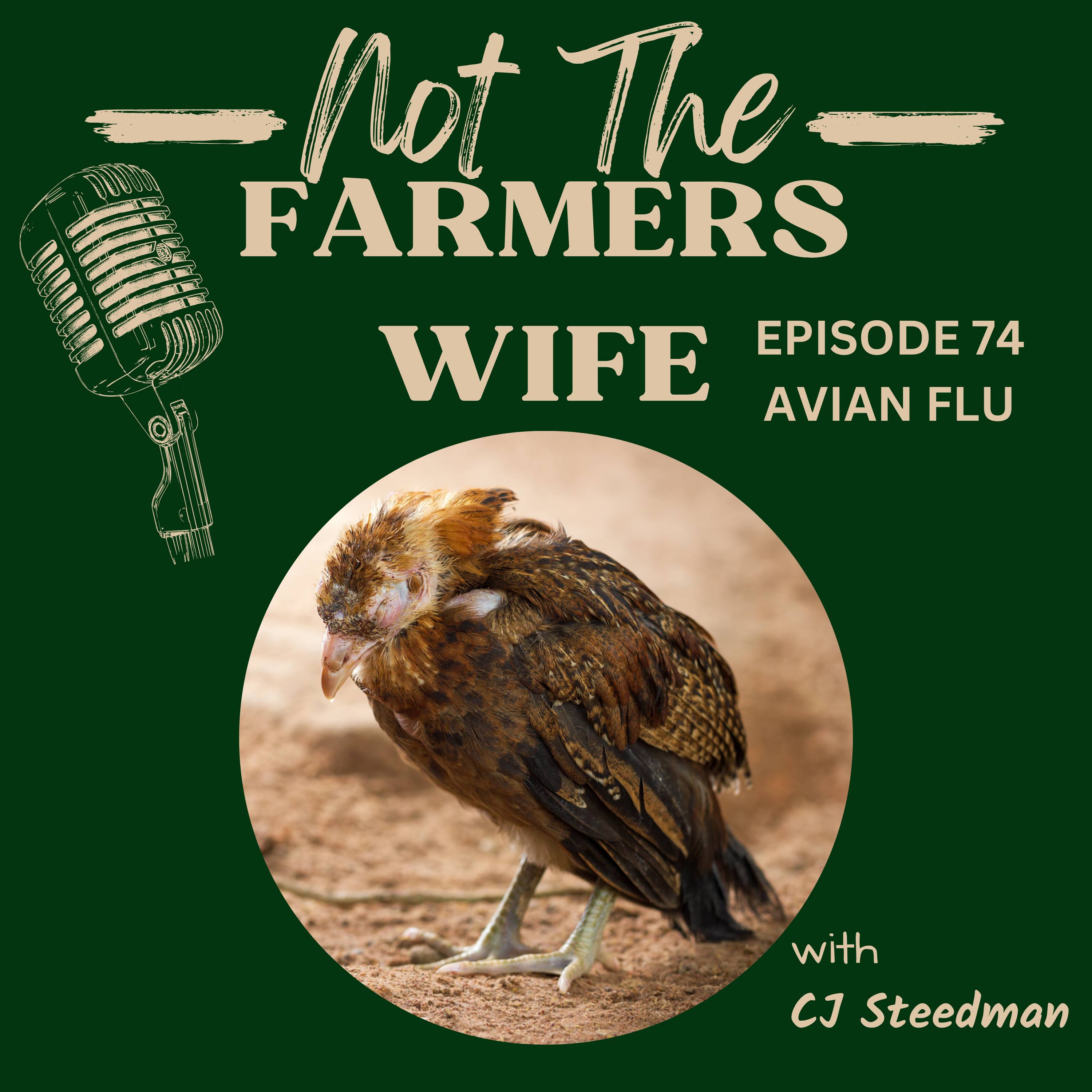
Episode 74 - Avian Flu episode artwork

EPISODE · Jul 28, 2024 · 35 MIN

Episode 74 - Avian Flu

from Ditch The Store · host CJ Steedman

Avian Flu - Episode 74 On 22 May 2024, the World Health Organization (WHO) was notified of a laboratory-confirmed case of human infection with avian influenza A(H5N1) virus (clade 2.3.2.1a) by the International Health Regulations (IHR) National Focal Point (NFP) of Australia. This is the first confirmed human infection caused by avian influenza A(H5N1) virus detected and reported by Australia. In 2024, Australia experienced significant challenges with avian influenza, primarily involving highly pathogenic avian influenza (HPAI) strains. The outbreaks were reported in Victoria, New South Wales, and the Australian Capital Territory, with H7N3 and H7N9 strains affecting egg farms in Victoria and H7N8 impacting poultry in NSW and the ACT. Unusually, this outbreak occurred with 3 different strains at the same time as the first human contamination. We need to go 2 months without detection to be considered free of avian influenza. Despite these outbreaks, Australia has managed to avoid the devastating H5N1 strain, which has caused widespread issues globally. This strain, first identified in China in 1996, has led to massive bird deaths and human infections across multiple continents. The H5N1 virus is highly pathogenic and can infect a variety of species, including wild birds and mammals. Human cases, though rare, have been reported, leading to severe illness and fatalities. Australia's relative safety from H5N1 is attributed to its geographic isolation and stringent biosecurity measures. The country employs extensive surveillance and rapid response strategies to detect and manage avian influenza outbreaks.  This includes testing migratory birds and domestic poultry, as well as imposing strict import controls to prevent the introduction of infected birds and poultry products. Overall, while Australia has effectively contained current avian flu outbreaks, vigilance and robust biosecurity remain critical to prevent the introduction of more virulent strains like H5N1. Preventing bird flu involves a combination of biosecurity measures, surveillance, vaccination, and public awareness. Here are some key strategies: Biosecurity Measures Restrict Access: Limit access to poultry farms and ensure that only essential personnel enter. Implement strict hygiene protocols, such as using disinfectant footbaths and protective clothing. Quarantine New Birds: Isolate new or returning birds from the rest of the flock for at least 30 days to monitor for signs of illness. Clean and Disinfect: Regularly clean and disinfect equipment, vehicles, and facilities to minimise the risk of contamination. Surveillance Monitoring: Regularly test domestic and wild birds for avian influenza viruses. Early detection helps in rapid response and containment of outbreaks. Signs of disease usually appear in several or all birds in a flock, including: sudden death lethargy or reluctance to walk, eat or drink droopy appearance or ruffled feathers head or limb swelling bruising of the wattle, comb, feet or skin respiratory signs such as panting, nasal discharge or sneezing diarrhoea unusual head or neck posture, incoordination, inability to walk or stand unusual reduction in egg production.   Reporting: Encourage farmers and bird owners to immediately report any signs of illness in their flocks to veterinary authorities. Vaccination Vaccination Programs: There is currently no approved Avain Flu Vacination in Australia, the USA or UK. Public Awareness and Education Educate Farmers and Bird Owners: Provide training on recognising symptoms of avian flu, proper biosecurity practices, and the importance of vaccination and surveillance. Public Information Campaigns: Use media and public health campaigns to inform the public about the risks of avian influenza and preventive measures. Import Controls Regulate Imports: Strictly control the importation of birds and poultry products from regions affected by avian influenza to prevent the introduction of the virus. Wildlife Management Control Wild Bird Populations: Manage interactions between wild birds and domestic poultry, as wild birds can be carriers of avian influenza. Use netting or other barriers to prevent contact. Response to Outbreaks Rapid Response: In the event of an outbreak, implement rapid response measures, including culling infected and exposed birds, to contain the spread of the virus. Movement Restrictions: Enforce movement restrictions on birds and poultry products within and between regions during outbreaks to limit the spread of the disease. Avian Flu is fatal in chickens. Currently, there is no vaccination against Avian Flu for use in Australia or USA, however, other countries are trialling them. Inappropriate use of vaccination in poultry to try to prevent the spread of bird flu has become part of the problem and has serious human health implications, officials of the World Health Organization warned this week. “Vaccination can sometimes cause silent transmission of infection from asymptomatic birds. Mass vaccination programmes entail people tramping around the countryside from farm to farm and they can spread the disease with them. The first response must be culling,” said Peter Cordingley, WHO's spokesman in Manila.

Avian Flu - Episode 74 On 22 May 2024, the World Health Organization (WHO) was notified of a laboratory-confirmed case of human infection with avian influenza A(H5N1) virus (clade 2.3.2.1a) by the International Health Regulations (IHR) National Focal Point (NFP) of Australia. This is the first confirmed human infection caused by avian influenza A(H5N1) virus detected and reported by Australia. In 2024, Australia experienced significant challenges with avian influenza, primarily involving highly pathogenic avian influenza (HPAI) strains. The outbreaks were reported in Victoria, New South Wales, and the Australian Capital Territory, with H7N3 and H7N9 strains affecting egg farms in Victoria and H7N8 impacting poultry in NSW and the ACT. Unusually, this outbreak occurred with 3 different strains at the same time as the first human contamination. We need to go 2 months without detection to be considered free of avian influenza. Despite these outbreaks, Australia has managed to avoid the devastating H5N1 strain, which has caused widespread issues globally. This strain, first identified in China in 1996, has led to massive bird deaths and human infections across multiple continents. The H5N1 virus is highly pathogenic and can infect a variety of species, including wild birds and mammals. Human cases, though rare, have been reported, leading to severe illness and fatalities. Australia's relative safety from H5N1 is attributed to its geographic isolation and stringent biosecurity measures. The country employs extensive surveillance and rapid response strategies to detect and manage avian influenza outbreaks.  This includes testing migratory birds and domestic poultry, as well as imposing strict import controls to prevent the introduction of infected birds and poultry products. Overall, while Australia has effectively contained current avian flu outbreaks, vigilance and robust biosecurity remain critical to prevent the introduction of more virulent strains like H5N1. Preventing bird flu involves a combination of biosecurity measures, surveillance, vaccination, and public awareness. Here are some key strategies: Biosecurity Measures Restrict Access: Limit access to poultry farms and ensure that only essential personnel enter. Implement strict hygiene protocols, such as using disinfectant footbaths and protective clothing. Quarantine New Birds: Isolate new or returning birds from the rest of the flock for at least 30 days to monitor for signs of illness. Clean and Disinfect: Regularly clean and disinfect equipment, vehicles, and facilities to minimise the risk of contamination. Surveillance Monitoring: Regularly test domestic and wild birds for avian influenza viruses. Early detection helps in rapid response and containment of outbreaks. Signs of disease usually appear in several or all birds in a flock, including: sudden death lethargy or reluctance to walk, eat or drink droopy appearance or ruffled feathers head or limb swelling bruising of the wattle, comb, feet or skin respiratory signs such as panting, nasal discharge or sneezing diarrhoea unusual head or neck posture, incoordination, inability to walk or stand unusual reduction in egg production.   Reporting: Encourage farmers and bird owners to immediately report any signs of illness in their flocks to veterinary authorities. Vaccination Vaccination Programs: There is currently no approved Avain Flu Vacination in Australia, the USA or UK. Public Awareness and Education Educate Farmers and Bird Owners: Provide training on recognising symptoms of avian flu, proper biosecurity practices, and the importance of vaccination and surveillance. Public Information Campaigns: Use media and public health campaigns to inform the public about the risks of avian influenza and preventive measures. Import Controls Regulate Imports: Strictly control the importation of birds and poultry products from regions affected by avian influenza to prevent the introduction of the virus. Wildlife Management Control Wild Bird Populations: Manage interactions between wild birds and domestic poultry, as wild birds can be carriers of avian influenza. Use netting or other barriers to prevent contact. Response to Outbreaks Rapid Response: In the event of an outbreak, implement rapid response measures, including culling infected and exposed birds, to contain the spread of the virus. Movement Restrictions: Enforce movement restrictions on birds and poultry products within and between regions during outbreaks to limit the spread of the disease. Avian Flu is fatal in chickens. Currently, there is no vaccination against Avian Flu for use in Australia or USA, however, other countries are trialling them. Inappropriate use of vaccination in poultry to try to prevent the spread of bird flu has become part of the problem and has serious human health implications, officials of the World Health Organization warned this week. “Vaccination can sometimes cause silent transmission of infection from asymptomatic birds. Mass vaccination programmes entail people tramping around the countryside from farm to farm and they can spread the disease with them. The first response must be culling,” said Peter Cordingley, WHO's spokesman in Manila.

NOW PLAYING

Episode 74 - Avian Flu

0:00 35:15

No transcript for this episode yet

We transcribe on demand. Request one and we'll notify you when it's ready — usually under 10 minutes.

Big Old Life: Heather Blackbird interviews people on planet earth. Heather Blackbird loves asking questions. This podcast is a learning experience. Join me, Heather Blackbird, as I talk to people about their lives. Frequency of new episodes is a little all over the place and I'm learning as I go. Big Old Life is a small way of talking about the vastness of life, one person at a time. If you are reading this or found this podcast it's probably because someone you know gave you a link to it. :) Explicit Tales Of A Superstar DJ The Insomniac Spun seemingly out of nowhere from her complacent life in the corporate world, turned seemingly overnight from 16-Hour shift work and into the life of a literally starving artist and working musician, The Protagonist navigates her supposed rise to fame and superstardom on a journey through spiritual awakening, coming-of-age, and intimate self-realization--guided by an omnipresent force and equipped with the power of love, magic, and music. {Enter The Multiverse.} [The Festival Project] The Festival Project, Inc.™ is a multidimensional multimedia platform which encompasses exploratory and artistic social personifications and expressions on cosmic theory, spirituality, growth, health & wellness, philosophy and theoretic dynamics in entertainment such as music, design, film, television, radio, dance and festival culture, art, fashion, literature, and science. The Festival Project™ and its subsidiary Non-Profit, The Collective Complex © aims to challenge modern artistic and philosop Explicit Bitcoin Is Dead Trey Carson Welcome to Bitcoin is Dead, the ultimate Bitcoin variety show where host Trey takes you on a journey through the ever-evolving world of Bitcoin. Each episode brings new personalities, fascinating locations, and insightful conversations with politicians, educators, and innovators shaping the future of Bitcoin. Whether you're a seasoned Bitcoiner or just starting your journey, tune in for thought-provoking discussions, unique perspectives, and a deep dive into the ideas and people driving the Bitcoin revolution. Explicit The Sacred +Profane Podcast nephtaragrace The Sacred + Profane Podcast is a provocative conversation dedicated to cementing a better future for all. We specialize in unpacking the nuances of what is considered sacred and profane, particularly focusing on sex, death, and all that pertains to the circle of life. Our aim in focusing on such ”taboo” subject matter is to demystify what is unconscious, bring to light what has been known for centuries as ”the occult,” and empower the rapid transformation that is occurring on the Planet. Explicit

Frequently Asked Questions

How long is this episode of Ditch The Store?

This episode is 35 minutes long.

When was this Ditch The Store episode published?

This episode was published on July 28, 2024.

What is this episode about?

Avian Flu - Episode 74 On 22 May 2024, the World Health Organization (WHO) was notified of a laboratory-confirmed case of human infection with avian influenza A(H5N1) virus (clade 2.3.2.1a) by the International Health Regulations (IHR) National...

Can I download this Ditch The Store episode?

Yes, you can download this episode by clicking the download button on the episode player, or subscribe to the podcast in your preferred podcast app for automatic downloads.
URL copied to clipboard!